Reflecto News is an online news platform covering major international political events, global economic developments, and security conflicts. The site provides updates on topics such as Chinese manufacturing dominance, Middle Eastern political tensions, and high profile legal arrests. Readers can access current articles organized by categories like World News, Iran, and USA.
Published on Reflecto News | World News | Energy & Geopolitics
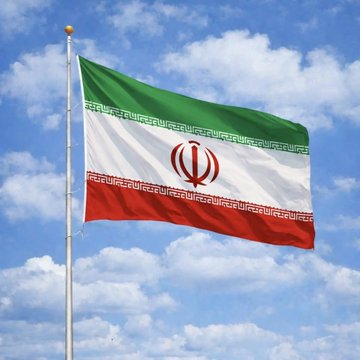
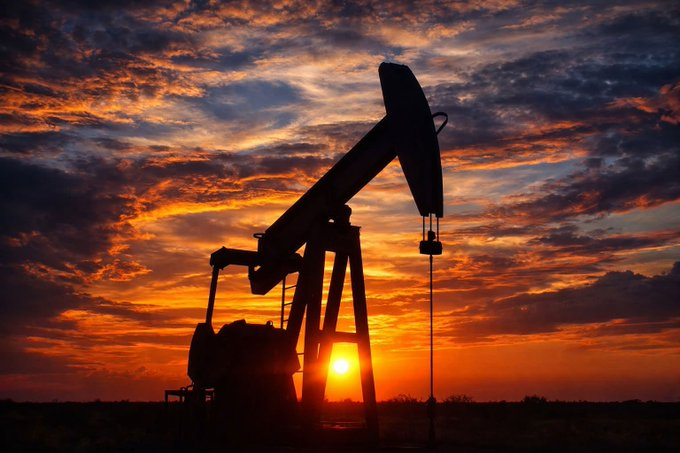
Iran has declared that it possesses ample oil reserves and is ready to sell crude to any country willing to purchase it, despite ongoing US-led sanctions and a newly imposed naval blockade of the Strait of Hormuz. The announcement, made by a senior Iranian oil official, appears designed to signal Tehran’s defiance in the face of escalating American pressure and to test the resolve of nations seeking alternatives to disrupted Gulf supplies .
“Iran has oil and is ready to sell it to any country willing to buy. We have customers and we will continue to export.” — Senior Iranian Oil Official
The statement comes as the United States enforces a naval blockade on Iranian ports, a move that President Donald Trump announced following the collapse of weekend peace talks between the US and Iran in Islamabad .
The Blockade vs. Iran’s Oil Lifeline
The US naval blockade, which began Monday at 10 a.m. Eastern Time, is intended to “impartially” stop vessels of all nations from entering or leaving Iranian ports . This effectively cuts off Iran’s primary source of foreign revenue—its oil exports.
| Iranian Oil Export Reality | Details |
|---|---|
| Pre-war exports | ~1.5 million barrels per day |
| Primary customers | China, India, Turkey, Syria, Venezuela |
| Export route | Primarily via tankers through the Strait of Hormuz |
| US blockade | Aims to stop all tanker traffic to/from Iranian ports |
| Iran’s counter | Claims readiness to sell to “any country” |
Iran’s declaration that it is “ready to sell to any country willing to buy” is both a political statement of defiance and a challenge to the blockade’s effectiveness. Tehran is likely signaling to traditional customers like China and India, as well as potential new buyers, that it is willing to continue shipping oil through alternative means or using deceptive shipping practices .
A Test for China and Other Buyers
The most significant test of the blockade will be China, Iran’s largest oil customer. Before the war, China imported approximately 500,000 to 700,000 barrels per day of Iranian crude, often using creative shipping and financial mechanisms to circumvent US sanctions .
Iran’s potential oil buyers:
- China: Largest customer; has continued purchases throughout the war
- India: Major buyer; has maintained diplomatic ties with Tehran
- Turkey: Significant importer; NATO ally with independent foreign policy
- Syria and Venezuela: Allied nations; would likely continue purchases despite pressure
- Russia: Could serve as intermediary or transshipment point
China has already called on the US and Iran not to resume fighting and has urged restraint from all parties . Beijing has not announced any intention to challenge the blockade directly, but its continued purchase of Iranian oil would test Washington’s willingness to enforce the naval embargo .
The ‘Ghost Fleet’ and Sanctions Evasion
Iran has extensive experience evading sanctions. Over the years, Tehran has developed a so-called “ghost fleet” of tankers that use flag-of-convenience registrations, turn off their transponders (Automatic Identification Systems), conduct ship-to-ship transfers at sea, and use complex financial mechanisms to hide the origin of oil shipments .
Iranian evasion tactics:
- AIS spoofing or shutdown: Making vessels “invisible” to tracking
- Flag-of-convenience registrations: Using flags from countries like Panama, Tanzania, or Cameroon
- Ship-to-ship transfers: Transferring oil to other tankers at sea to mask origin
- Dark fleet operations: Using older, uninsured tankers
- Alternative financing: Using cryptocurrencies or barter arrangements
The US Navy will face the challenge of interdicting this shadow fleet while avoiding escalation into direct combat. The blockade order gives the Navy authority to stop and inspect vessels, but boarding operations in the narrow, contested waters of the Strait of Hormuz carry significant risk .
Iran’s Customers: Willing to Test the Blockade?
Iran’s statement implies that it has customers ready to purchase oil regardless of the blockade. The question is whether those customers are willing to risk their ships and crews to test the US Navy.
| Country | Likelihood of Testing Blockade | Risk Calculation |
|---|---|---|
| China | Moderate to High | Needs oil; has leverage over US |
| India | Moderate | Balancing US ties with energy needs |
| Turkey | Moderate | Independent foreign policy; NATO member |
| Syria | High | Already under sanctions; allied with Iran |
| Venezuela | High | Allied with Iran; also under US sanctions |
China’s response will be particularly closely watched. Beijing has significant economic leverage over Washington and may view testing the blockade as a way to assert its status as a global power .
The Economic Stakes for Iran
Iran’s economy is heavily dependent on oil revenues. According to the International Monetary Fund, oil exports account for approximately 60-70 percent of Iran’s foreign revenue and a significant portion of its government budget .
| Iranian Economic Indicator | Impact of Blockade |
|---|---|
| Oil export revenue | Could drop to near zero if blockade is fully enforced |
| Currency value (rial) | Already weakened by sanctions; blockade would accelerate decline |
| Inflation | Already high (30-40%); blockade would worsen |
| Government budget | Dependent on oil revenues; blockade would force cuts |
| Domestic fuel prices | Could rise if exports are blocked and refining disrupted |
Iran’s declaration that it has oil and is ready to sell is partly a message to its own people—that the government remains defiant and capable of weathering the pressure .
What Comes Next
As the US blockade takes effect and Iran declares its readiness to sell oil to any buyer, several scenarios are possible:
| Scenario | Likelihood | Implications |
|---|---|---|
| China tests the blockade | Moderate | Would escalate US-China tensions |
| Iran uses ghost fleet tactics | High | US Navy would need to interdict |
| Blockade leads to naval clashes | Elevated | Risk of US-Iran direct confrontation |
| Diplomatic resolution | Possible | Talks could resume; Iran has signaled openness |
| Iran seeks alternative export routes | Possible | Overland pipelines or Red Sea ports |
Iran’s declaration is a reminder that, despite the blockade and the collapse of negotiations, Tehran has not been defeated—and is prepared to fight an economic war as well as a military one .
Frequently Asked Questions (FAQs)
1. What did Iran say about its oil?
Iran declared that it “has oil and is ready to sell it to any country willing to buy,” signaling defiance in the face of the US naval blockade .
2. What is the US naval blockade?
President Trump ordered a blockade of Iranian ports beginning April 13, enforced “impartially against vessels of all nations entering or departing Iranian ports” .
3. Who buys Iranian oil?
Iran’s primary customers include China, India, Turkey, Syria, and Venezuela. China is the largest buyer, importing approximately 500,000-700,000 barrels per day before the war .
4. Can Iran evade the blockade?
Iran has extensive experience evading sanctions using a “ghost fleet” of tankers that turn off transponders, use flag-of-convenience registrations, and conduct ship-to-ship transfers at sea .
5. What happens if China tests the blockade?
A Chinese attempt to import Iranian oil despite the blockade would escalate US-China tensions and test Washington’s willingness to enforce the embargo against a major power .
6. Is Iran’s oil infrastructure intact?
Iran has claimed its oil infrastructure remains operational despite US-Israeli strikes, though some facilities have reportedly been damaged .
7. What happens next?
Iran will likely attempt to continue exports using evasion tactics. The US Navy will face the challenge of interdicting these shipments without provoking direct military confrontation .
Stay informed with Reflecto News – Your trusted source for breaking energy and geopolitical intelligence. Subscribe for real-time updates on the Iran oil crisis, the US blockade, and global energy markets.
Questions people ask
What is China's current share of global manufacturing?
China now accounts for twenty eight percent of global manufacturing. This industrial output exceeds the combined manufacturing production of the United States, Japan, and Germany, making China the leading global industrial power according to recent reports.
Why were Andrew Tate and Tristan Tate arrested in Miami?
Andrew Tate and his brother Tristan Tate were taken into custody in Miami by the United States Marshals Service. They face thirty eight new charges in the United Kingdom, including rape and child pornography offences, and prosecutors are seeking their extradition.
What warning did Moscow issue about oil prices?
Kirill Dmitriev, the Chief Executive of the Russian Direct Investment Fund, warned that a tsunami of skyrocketing oil prices is approaching. Moscow describes this potential energy shock as a major threat to global markets.
What political shift is projected for Benjamin Netanyahu's coalition?
Political polls project that Prime Minister Benjamin Netanyahu's coalition is on track to lose its majority in the upcoming October election. This projection indicates a potential political shift in Jerusalem.
Why did a Russian military aircraft land in Tehran?
A Russian airborne command aircraft, widely known as a doomsday plane, landed in Tehran. The arrival of the aircraft represents a high stakes show of support from Russia for Iran during a period of heightened regional tensions.
What did President Masoud Pezeshkian claim about the United States and Israel?
Iranian President Masoud Pezeshkian claimed that the United States and Israel failed in a forty eight hour plan to topple the Iranian government. He made these statements during a televised address marking two years since his inauguration.