Reflecto News is an online news platform covering major international political events, global economic developments, and security conflicts. The site provides updates on topics such as Chinese manufacturing dominance, Middle Eastern political tensions, and high profile legal arrests. Readers can access current articles organized by categories like World News, Iran, and USA.
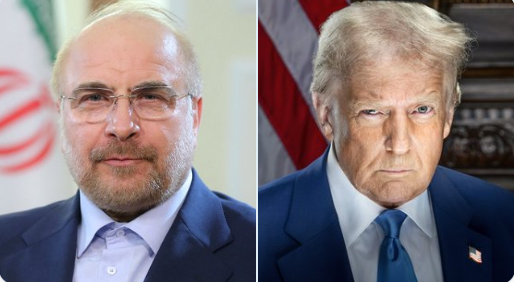
Iran’s top nuclear negotiator and Parliament Speaker, Mohammad Bagher Ghalibaf, has accused the United States of committing serious breaches of the recently signed Islamabad Memorandum of Understanding (MoU) following a wave of American military strikes and the reimposition of oil sanctions. Ghalibaf warned that the “era of bullying and extortion is over” and that Iran will not yield to pressure.
List of Alleged US Violations
Ghalibaf listed five specific US actions that he described as major violations of the bilateral agreement:
- Violating Iranian adjustments in the Strait of Hormuz: The US military has conducted strikes on Iranian targets near the strait, which Tehran argues undermines its role in managing the waterway as established under the agreement.
- Persistent threats of further strikes: Washington has maintained a posture of military readiness and issued warnings of additional attacks, which Iran views as a breach of the ceasefire spirit.
- Reinstating oil sanctions: The US Treasury Department revoked a temporary license that had allowed limited Iranian oil exports, which Iran’s Foreign Ministry called a “blatant violation” of Article 10 of the MoU.
- Attacks on southern Iran: US Central Command (CENTCOM) carried out strikes on over 85 targets inside Iran, including IRGC naval assets, air defense systems, and missile positions.
- Continued Israeli aggression against Lebanon: Tehran has linked the broader regional situation to the agreement, arguing that ongoing Israeli military operations in Lebanon constitute a violation of the understanding.
Ghalibaf described these actions as part of a pattern of US non-compliance. Deputy Foreign Minister Kazem Gharibabadi stated that the recent attacks violated Articles 1 and 2 of the MoU, which pertain to an end to hostilities, and that the US has repeatedly breached the agreement over the past three weeks.
The Context of the Escalation
The accusations come after a US military operation on July 7, which targeted Iranian maritime capabilities in response to Iranian attacks on three commercial vessels in the Strait of Hormuz. The US strikes hit more than 80 military positions, including command-and-control networks, coastal radar sites, and over 60 IRGC fast-attack boats.
This military action, combined with the reimposition of sanctions on Iranian oil, has placed immense strain on the fragile ceasefire framework established by the MoU in June. The US had previously argued that the Iranian attacks on commercial shipping were themselves a violation of the ceasefire.
Iran’s Response and Warning
Iranian officials have adopted a defiant stance in response. Ghalibaf stated that Iran does not “fold” and rejected the “bullying and extortion” approach of the US. Iranian military officials, through the Khatam-al-Anbiya Central Headquarters, have also warned of a potential “crushing response” to the US actions.
The attacks occurred during the funeral ceremonies following the death of Supreme Leader Ali Khamenei, adding another layer of complexity to the already tense situation.
Communication Channels Still Open
Despite the sharp escalation and the accusations of violations, there are indications that communication channels remain active. On July 1, US and Iranian officials agreed in Doha, Qatar, to establish a communication mechanism to record and report any violations of the MoU, starting July 2. This technical step suggests that both sides may still be seeking to manage the tensions even amid direct military confrontation.
Frequently Asked Questions (FAQs)
Q1: What specific US actions is Iran calling a violation of the MoU?
Iran’s chief negotiator, Mohammad Bagher Ghalibaf, has listed several US actions as violations, including US military strikes on Iranian territory, the reinstatement of oil sanctions, threats of further attacks, and not preventing Israeli military operations in Lebanon.
Q2: What triggered this recent escalation between the US and Iran?
US Central Command launched a series of strikes on Iranian targets after Iran allegedly attacked three commercial vessels in the Strait of Hormuz. The US said the attacks on merchant ships were a “clear violation of the ceasefire”.
Q3: Has communication between the US and Iran been completely cut off?
No. Despite the military and diplomatic friction, the two sides had agreed to establish a communication channel to report violations of the MoU as of July 2, 2026, and have continued indirect talks mediated by Qatar and Pakistan.
Questions people ask
What is China's current share of global manufacturing?
China now accounts for twenty eight percent of global manufacturing. This industrial output exceeds the combined manufacturing production of the United States, Japan, and Germany, making China the leading global industrial power according to recent reports.
Why were Andrew Tate and Tristan Tate arrested in Miami?
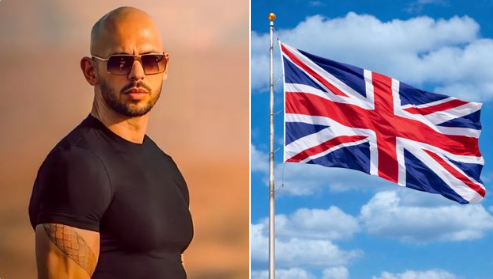
Andrew Tate and his brother Tristan Tate were taken into custody in Miami by the United States Marshals Service. They face thirty eight new charges in the United Kingdom, including rape and child pornography offences, and prosecutors are seeking their extradition.
What warning did Moscow issue about oil prices?
Kirill Dmitriev, the Chief Executive of the Russian Direct Investment Fund, warned that a tsunami of skyrocketing oil prices is approaching. Moscow describes this potential energy shock as a major threat to global markets.
What political shift is projected for Benjamin Netanyahu's coalition?
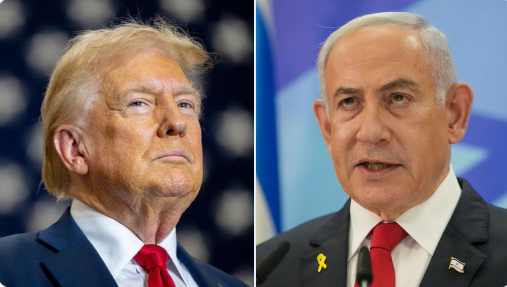
Political polls project that Prime Minister Benjamin Netanyahu's coalition is on track to lose its majority in the upcoming October election. This projection indicates a potential political shift in Jerusalem.
Why did a Russian military aircraft land in Tehran?
A Russian airborne command aircraft, widely known as a doomsday plane, landed in Tehran. The arrival of the aircraft represents a high stakes show of support from Russia for Iran during a period of heightened regional tensions.
What did President Masoud Pezeshkian claim about the United States and Israel?
Iranian President Masoud Pezeshkian claimed that the United States and Israel failed in a forty eight hour plan to topple the Iranian government. He made these statements during a televised address marking two years since his inauguration.