Reflecto News is an online news platform covering major international political events, global economic developments, and security conflicts. The site provides updates on topics such as Chinese manufacturing dominance, Middle Eastern political tensions, and high profile legal arrests. Readers can access current articles organized by categories like World News, Iran, and USA.
President says Iran will work with U.S. to remove nuclear material; Iranian Foreign Ministry calls transfer “never an option” and declares enriched uranium “sacred” as deadline pressure builds
By Reflecto News Staff
April 7, 2026 (Updated)
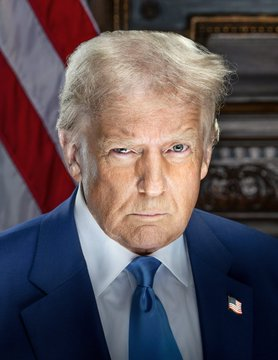
President Donald Trump stated Friday that Iran has “agreed to everything” in ongoing negotiations with the United States, including working together to remove its stockpile of enriched uranium from the country.
In multiple interviews and posts, Trump claimed Tehran had consented to major concessions, such as halting uranium enrichment and cooperating on the retrieval of nuclear material — with some remarks suggesting the U.S. would help transport it back to America. He described the progress as rapid and expressed optimism about finalizing a broader peace deal soon.
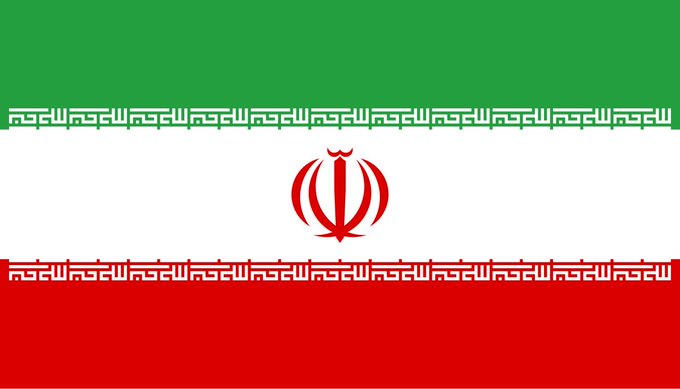
Iranian officials swiftly pushed back. Foreign Ministry spokesman Esmail Baghaei told state media that enriched uranium “is not going to be transferred anywhere” and that sending the material abroad “was never an option on the table.” He emphasized that enriched uranium is “as sacred to us as Iranian soil” and dismissed related reports as part of a media campaign aimed at influencing talks.
This direct contradiction highlights persistent gaps between the two sides even as indirect negotiations continue.
Current Status of the Deadline and Talks
The exchange comes amid intense diplomatic activity ahead of Trump’s self-imposed 8 p.m. ET deadline for Iran to ensure the full reopening of the Strait of Hormuz to unrestricted commercial shipping. Iran has announced the strait is open for commercial vessels during the current fragile ceasefire period, but the U.S. maintains its naval blockade will remain in place until a permanent deal is reached.
Iran continues to reject any temporary ceasefire, with its UN Ambassador declaring it “categorically” unacceptable. Tehran insists on a comprehensive, permanent agreement that includes sanctions relief, reparations, and guarantees against future attacks.
Pakistan has intensified its mediation role, stating it is “willing to go to all lengths” to help secure a lasting peace through the “Islamabad Process.”
Trump Links Deal to Israeli Security
President Trump has repeatedly tied any successful agreement to enhanced security for Israel, stating that a deal would make Israel “more secure.” This comes as a new Channel 12 poll in Israel shows 56% of Israelis do not want Benjamin Netanyahu to continue as Prime Minister, reflecting domestic pressure on the Israeli leader who played a key role in the early stages of the conflict through his February Situation Room briefing to Trump.
Regional and Military Context
Kuwait’s Interior Ministry has advised residents to stay home overnight (12 a.m. to 6 a.m. local time) as a precautionary measure amid fears of Iranian retaliation targeting civilian infrastructure in the Gulf.
U.S. military readiness remains visible, with CENTCOM images of Marines conducting live-fire drills aboard USS Tripoli in the Arabian Sea. The White House has categorically denied any consideration of nuclear weapons against Iran.
Defense Secretary Pete Hegseth’s optimistic assessments of Iranian capabilities continue to draw internal scrutiny from intelligence reports showing significant residual missile and drone capacity.
Sen. Ron Johnson (R-Wis.) has expressed hope that threats against civilian infrastructure are negotiating “bluster,” stressing that the U.S. is “not at war with the Iranian people.”
Secretary of State Marco Rubio has condemned Iranian actions in the Strait of Hormuz as “terrorist activity” by a state sponsor of terrorism.
Parallel Developments
In Ukraine, Ukrainian forces used British-made Malloy T-150 heavy-lift drones to destroy a Russian-controlled bridge near Kherson. The UK’s HMS Dragon remains operationally ready near Cyprus after addressing a minor water system issue.
Implications as Talks Intensify
The public disagreement over the enriched uranium issue underscores the challenges in bridging differences on Iran’s nuclear program, one of the core sticking points. While modest progress has been reported in indirect talks — with one U.S. official describing Iran’s latest proposal as “better than expected” — significant gaps remain on enrichment timelines, sanctions, and verification mechanisms.
A successful permanent deal could stabilize global energy markets and reduce humanitarian risks, but failure to narrow differences before or shortly after the deadline could lead to renewed escalation.
Reflecto News will continue providing real-time, balanced updates on this rapidly evolving situation.
FAQs on Trump’s Claims, Iran’s Rejection, and the Ongoing Crisis
Q: What exactly did President Trump claim about Iran?
A: Trump stated that Iran has “agreed to everything,” including working with the U.S. to remove its enriched uranium stockpile and potentially halting further enrichment.
Q: How did Iran respond?
A: Iranian Foreign Ministry spokesman Esmail Baghaei said enriched uranium “is not going to be transferred anywhere” and that such a transfer “was never an option.” He called the material “sacred” to Iran.
Q: What is the status of the Strait of Hormuz?
A: Iran says it is open to commercial vessels during the current ceasefire, but the U.S. maintains its naval blockade will stay in place until a permanent deal is reached. Trump’s 8 p.m. ET deadline remains a key pressure point.
Q: What role is Pakistan playing?
A: Pakistan has vowed to “go to all lengths” to help secure a permanent US-Iran peace deal through active mediation.
Q: Has the White House ruled out nuclear options?
A: Yes, the administration has categorically denied considering nuclear weapons against Iran.
Q: What does the latest Israeli poll show?
A: A Channel 12 survey indicates 56% of Israelis do not want Benjamin Netanyahu to continue as Prime Minister.
Q: How can I stay updated?
A: Follow Reflecto News for accurate, timely coverage of the US-Iran negotiations, regional security developments, and related global impacts.
This article is based on verified statements from President Trump, Iranian state media, CBS News, The Wall Street Journal, Al Jazeera, Reuters, and other credible sources as of April 7, 2026. All quotes are accurately attributed.
Questions people ask
What is China's current share of global manufacturing?
China now accounts for twenty eight percent of global manufacturing. This industrial output exceeds the combined manufacturing production of the United States, Japan, and Germany, making China the leading global industrial power according to recent reports.
Why were Andrew Tate and Tristan Tate arrested in Miami?
Andrew Tate and his brother Tristan Tate were taken into custody in Miami by the United States Marshals Service. They face thirty eight new charges in the United Kingdom, including rape and child pornography offences, and prosecutors are seeking their extradition.
What warning did Moscow issue about oil prices?
Kirill Dmitriev, the Chief Executive of the Russian Direct Investment Fund, warned that a tsunami of skyrocketing oil prices is approaching. Moscow describes this potential energy shock as a major threat to global markets.
What political shift is projected for Benjamin Netanyahu's coalition?
Political polls project that Prime Minister Benjamin Netanyahu's coalition is on track to lose its majority in the upcoming October election. This projection indicates a potential political shift in Jerusalem.
Why did a Russian military aircraft land in Tehran?
A Russian airborne command aircraft, widely known as a doomsday plane, landed in Tehran. The arrival of the aircraft represents a high stakes show of support from Russia for Iran during a period of heightened regional tensions.
What did President Masoud Pezeshkian claim about the United States and Israel?
Iranian President Masoud Pezeshkian claimed that the United States and Israel failed in a forty eight hour plan to topple the Iranian government. He made these statements during a televised address marking two years since his inauguration.