BREAKING: Putin Highlights Sharp Gas Price Gap — Europe Pays Over $600 per 1,000 m³ While Armenia Gets Russian Gas for $177.5
Russian President Vladimir Putin has pointed out the significant difference in natural gas pricing, stating that Europe currently pays more than $600 per 1,000 cubic meters, while Russia supplies gas to Armenia at just $177.5 per 1,000 cubic meters. The remark came during a meeting with Armenian Prime Minister Nikol Pashinyan and underscores Russia’s preferential pricing for certain allies amid high European spot market prices.
By Reflecto News Desk
April 2–3, 2026 | Moscow
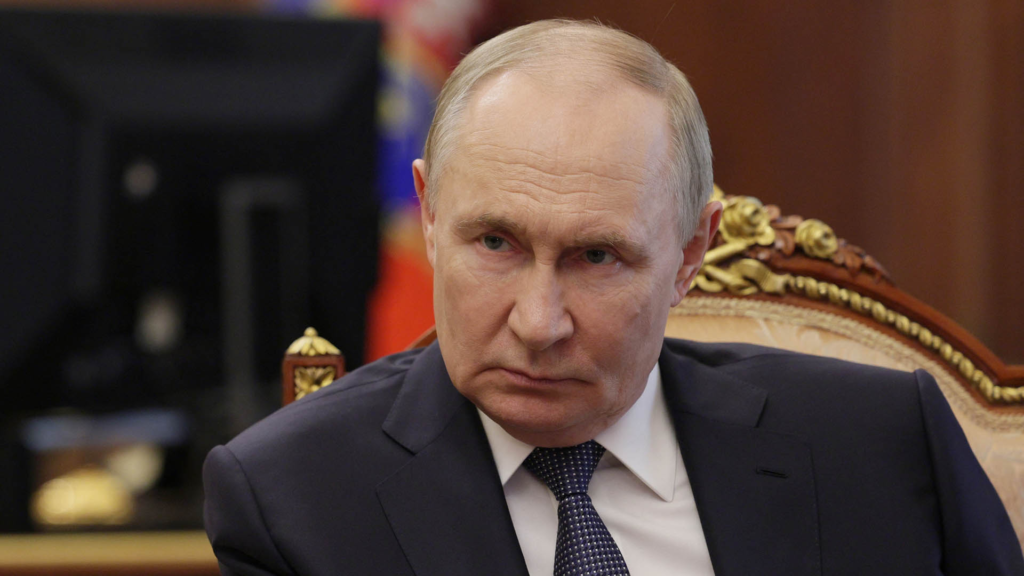
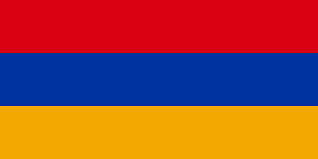
During talks with Pashinyan on April 1, 2026, Putin addressed energy cooperation and noted ongoing discussions on pricing formulas. “Today, as you know, energy prices and gas prices, for example, in Europe, go through the roof — above $600 per thousand cubic meters. Russia sells gas to Armenia for $177.5 per thousand cubic meters. The difference is huge,” he said.
Putin added that he and Pashinyan “often argue” over energy pricing methods, but emphasized the substantial gap remains. The figures reflect current European spot or hub prices (such as TTF in the Netherlands), which have been elevated due to earlier supply shifts, sanctions effects, and now compounded by global energy volatility from the Iran conflict.
Why the Price Difference?
- European Prices: Spot prices in Europe have fluctuated significantly since Russia’s reduced pipeline deliveries in prior years. The $600+/1,000 m³ level cited by Putin aligns with recent peaks driven by LNG import costs, storage dynamics, and broader market pressures, including disruptions in the Strait of Hormuz.
- Armenia Pricing: Armenia, a member of the Eurasian Economic Union (EAEU) and a traditional Russian ally, benefits from long-term bilateral contracts with Gazprom at subsidized or preferential rates. The $177.5 figure reflects a contracted or discounted price, far below European spot levels.
This pricing model is common in Russia’s energy diplomacy: closer partners or those within integrated economic structures often receive more favorable terms compared to spot-market buyers in Europe.
Broader Context: Energy Amid Global Tensions
Putin’s comments arrive as the Middle East crisis continues to affect energy flows:
- The Strait of Hormuz remains disrupted, with pre-war daily LNG volumes of ~290 million cubic meters heavily curtailed.
- Iran has offered selective safe-transit agreements while issuing warnings of further retaliation.
- Russia has positioned itself diplomatically, with Putin recently telling Saudi Crown Prince Mohammed bin Salman that Moscow is ready to do “whatever is necessary” to restore peace.
European countries, still reliant on LNG imports (including from the U.S., Qatar, and others), face higher costs, while Russia maintains leverage through discounted supplies to allies like Armenia.
Implications
The statement serves multiple purposes: it highlights Russia’s role as a reliable (if discounted) supplier to partners, contrasts it with Europe’s higher costs, and subtly reinforces economic ties within Russia’s sphere of influence. For Armenia, it underscores the benefits of continued energy cooperation with Moscow amid its own geopolitical balancing act.
Whether European prices will ease depends on global LNG availability, resolution of the Hormuz situation, and seasonal demand. Russia’s ability to sustain discounted exports to allies also hinges on its own production and infrastructure challenges, including recent Ukrainian drone impacts on export terminals.
Reflecto News will continue monitoring energy price developments, Russia-Armenia relations, and any links to the wider Middle East conflict and global gas markets.
Sources: TASS, ARKA News, NEWS.am, and official readouts from the Putin-Pashinyan meeting (April 1, 2026). Gas prices are market-sensitive and subject to rapid change.