Reflecto News is an online news platform covering major international political events, global economic developments, and security conflicts. The site provides updates on topics such as Chinese manufacturing dominance, Middle Eastern political tensions, and high profile legal arrests. Readers can access current articles organized by categories like World News, Iran, and USA.
Reflecto News Desk
April 8, 2026
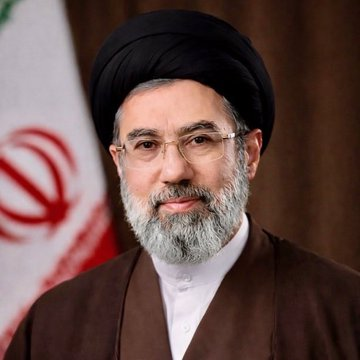
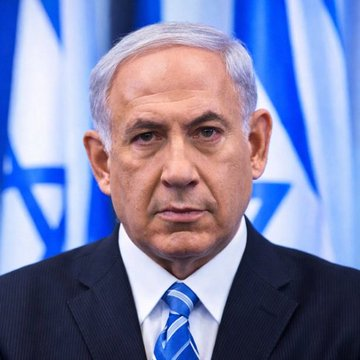
Iranian state media outlet Fars News has reported that Tehran is preparing a military response to what it describes as ongoing Israeli aggression against Lebanon. The statement comes hours after Israel conducted one of its largest strikes yet on Beirut and other Lebanese targets, targeting alleged Hezbollah infrastructure amid the broader 2026 regional conflicts.
This development raises fresh concerns about the fragility of the recently announced U.S.-Iran ceasefire (the Islamabad Accord), which explicitly does not cover Israeli operations against Hezbollah in Lebanon.
Context of the Latest Israeli Strikes on Lebanon
On April 8, the Israel Defense Forces (IDF) launched a major wave of airstrikes across Lebanon, described by Israeli officials as the largest coordinated operation since the escalation began. Targets included over 100 Hezbollah command centers, military sites, and infrastructure in Beirut’s southern suburbs (Dahieh), the Beqaa Valley, and southern Lebanon.
Lebanese authorities and media reported significant damage in residential areas, with rescue teams searching rubble for survivors. Earlier strikes in recent days, including in Jnah and near Nabatieh, have already caused civilian casualties and heightened tensions.
Israel maintains these actions are necessary to degrade Hezbollah’s military capabilities and prevent attacks on its northern border, following Hezbollah’s solidarity actions with Iran during the 2026 Iran war.
Iran’s Stated Position and Threats
According to Fars News, Iranian officials view the continued Israeli operations in Lebanon as unacceptable aggression that violates the spirit of regional de-escalation efforts. Iran has long positioned itself as a backer of Hezbollah, part of its “Axis of Resistance.”
Iranian leaders have previously warned that sustained attacks on Lebanon could trigger a wider response, potentially involving direct Iranian action or coordinated efforts through allied groups. The Fars report indicates preparatory steps for a military reply, though specific details—such as timing, scale, or targets—were not disclosed in the initial statement.
This rhetoric echoes earlier Iranian declarations during the conflict, where Tehran vowed retaliation for strikes on its interests or allies.
Impact on the Fragile Ceasefire
The U.S.-brokered ceasefire between Washington and Tehran, announced on April 7 and mediated with Pakistani involvement, aims for a two-week pause focused on the Iran theater. However, both sides have clarified that it does not automatically extend to the Israel-Hezbollah front in Lebanon.
- Israel has explicitly stated it will continue operations against perceived threats from Hezbollah.
- Hezbollah has signaled conditional acceptance of de-escalation but reserves the right to respond to Israeli actions.
- Iran’s reported preparations could test the ceasefire’s durability and risk drawing the U.S. or other actors back into direct confrontation.
Analysts warn that any significant Iranian military move—whether missile strikes, drone attacks, or proxy activation—could rapidly escalate the situation beyond Lebanon.
Humanitarian and Regional Implications
Lebanon continues to suffer severe consequences from the overlapping conflicts. Over 1.2 million people remain displaced, with hospitals strained and infrastructure damaged. Repeated strikes near populated areas have led to civilian deaths and injuries, prompting international calls for restraint and humanitarian access.
The broader 2026 regional crisis—stemming from U.S.-Israeli actions against Iran and subsequent retaliations—has already caused widespread disruption, including attacks on Gulf infrastructure and volatility in energy markets.
International Reactions
- Lebanon: The government has condemned Israeli strikes as violations of sovereignty and urged international intervention.
- Israel: Officials defend the operations as defensive and targeted at terrorist infrastructure embedded in civilian areas.
- United States: Washington has urged all parties to avoid actions that could derail the fragile ceasefire while reaffirming support for Israel’s security.
- Other Actors: Gulf states and European mediators express concern over spillover risks.
FAQs About Iran’s Reported Response to Israeli Actions in Lebanon
Q: What exactly did Fars News report?
A: The Iranian outlet stated that Iran is preparing a military response to Israeli aggression carried out in Lebanon, framing the strikes as unacceptable.
Q: Does this violate the recent U.S.-Iran ceasefire?
A: The ceasefire primarily addresses direct U.S.-Iran hostilities and does not bind Israel’s operations against Hezbollah. However, Iranian involvement could complicate or undermine the pause.
Q: What form might Iran’s response take?
A: Possible options include direct missile or drone strikes on Israeli targets, activation of proxy forces, or other asymmetric actions. No specifics have been confirmed.
Q: How has Hezbollah responded so far?
A: Hezbollah has conducted rocket and drone attacks in retaliation for Israeli strikes but has also signaled willingness to respect de-escalation if Israel halts operations.
Q: What is the current situation on the ground in Lebanon?
A: Israeli strikes continue, causing damage in Beirut and southern areas. Rescue efforts are underway, and displacement remains high.
Q: How can the situation be de-escalated?
A: Diplomatic efforts through the U.S., France, Egypt, Qatar, or the UN could help, alongside mutual restraint and implementation of earlier ceasefire frameworks like UN Resolution 1701.
This is a rapidly developing story. Reflecto News will provide updates as more details emerge from official statements, casualty figures, or confirmed military movements. The focus remains on verified information amid heightened regional tensions.
Reporting based on Fars News, IDF statements, Lebanese authorities, and international coverage.
Questions people ask
What is China's current share of global manufacturing?
China now accounts for twenty eight percent of global manufacturing. This industrial output exceeds the combined manufacturing production of the United States, Japan, and Germany, making China the leading global industrial power according to recent reports.
Why were Andrew Tate and Tristan Tate arrested in Miami?
Andrew Tate and his brother Tristan Tate were taken into custody in Miami by the United States Marshals Service. They face thirty eight new charges in the United Kingdom, including rape and child pornography offences, and prosecutors are seeking their extradition.
What warning did Moscow issue about oil prices?
Kirill Dmitriev, the Chief Executive of the Russian Direct Investment Fund, warned that a tsunami of skyrocketing oil prices is approaching. Moscow describes this potential energy shock as a major threat to global markets.
What political shift is projected for Benjamin Netanyahu's coalition?
Political polls project that Prime Minister Benjamin Netanyahu's coalition is on track to lose its majority in the upcoming October election. This projection indicates a potential political shift in Jerusalem.
Why did a Russian military aircraft land in Tehran?
A Russian airborne command aircraft, widely known as a doomsday plane, landed in Tehran. The arrival of the aircraft represents a high stakes show of support from Russia for Iran during a period of heightened regional tensions.
What did President Masoud Pezeshkian claim about the United States and Israel?
Iranian President Masoud Pezeshkian claimed that the United States and Israel failed in a forty eight hour plan to topple the Iranian government. He made these statements during a televised address marking two years since his inauguration.