Washington, D.C. / Tehran – April 5, 2026 | Reflecto News
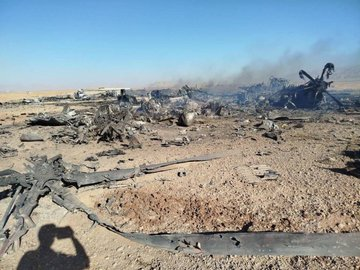
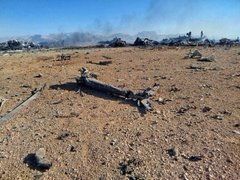
Two U.S. C-130 Hercules transport aircraft and one MH-6 Little Bird special operations helicopter were deliberately destroyed by American forces during the high-risk combat search and rescue (CSAR) operation for the downed F-15E Strike Eagle crew inside Iran, according to The New York Times.
The aircraft were left behind at a temporary “remote base” established deep in Iranian territory after they became disabled or stranded during the extraction phase. U.S. commanders ordered their destruction to prevent sensitive equipment, avionics, classified materials, or technology from falling into Iranian hands.
What Happened
- The two C-130 Hercules (reported in some accounts as MC-130J Commando II variants used for special operations) landed at the remote forward operating site to support the final extraction of U.S. Special Forces teams and the second rescued pilot.
- One or both aircraft reportedly became stuck or suffered mechanical issues, making timely takeoff impossible as IRGC forces closed in.
- An MH-6 Little Bird helicopter, used by elite special operations aviation units (often the 160th SOAR “Night Stalkers”), was also left behind and destroyed.
- After all personnel — including both F-15E crew members — were safely extracted aboard replacement aircraft, the stranded platforms were scuttled on the ground.
This dramatic development adds another layer of risk and improvisation to what President Trump has called “one of the most daring search and rescue operations in U.S. history.”
Despite the loss of the three aircraft, the entire operation concluded with zero American casualties — no soldiers killed or wounded — a point Trump has repeatedly emphasized.
Full Picture of the Rescue
The multi-day mission involved:
- Low-altitude HC-130J operations and mid-air refueling of HH-60G Pave Hawk helicopters over hostile territory.
- A fierce “nightmare scenario” ground shootout between U.S. Special Forces and IRGC units.
- U.S. Air Force airstrikes to stop advancing Iranian forces from reaching the second pilot.
- Establishment of the remote base as a critical staging/extraction point.
The successful, casualty-free recovery of both pilots (including a highly respected Colonel) stands as a major operational achievement, even as the loss of the C-130s and Little Bird highlights the extreme dangers of operating inside Iran.
Ongoing Conflict
The rescue occurs amid broader escalation in the sixth week of Operation Epic Fury:
- U.S. strikes on Tehran reportedly killed over 50 senior Iranian officials.
- Attacks on petrochemical facilities and internal discussions about targeting power plants and bridges.
- Iranian retaliation, including a drone strike causing significant damage to Kuwaiti power and water desalination plants.
- Strained US-Europe alliance, with The Wall Street Journal reporting a potential breaking point.
- Stalled ceasefire talks after Iran rejected the 15-point peace proposal.
Reflecto News will continue monitoring official Pentagon confirmation, detailed after-action assessments, Iranian claims regarding the destroyed aircraft, and any strategic or diplomatic fallout from the loss of the platforms. The deliberate destruction of U.S. assets on Iranian soil underscores both the boldness of the mission and the high costs of such deep incursions.
By Reflecto News Desk
Sources: The New York Times, Axios, CBS News, Reuters, U.S. Department of Defense statements, President Trump’s comments, and Iranian state-affiliated media.