Reflecto News is an online news platform covering major international political events, global economic developments, and security conflicts. The site provides updates on topics such as Chinese manufacturing dominance, Middle Eastern political tensions, and high profile legal arrests. Readers can access current articles organized by categories like World News, Iran, and USA.
Reflecto News
April 7, 2026
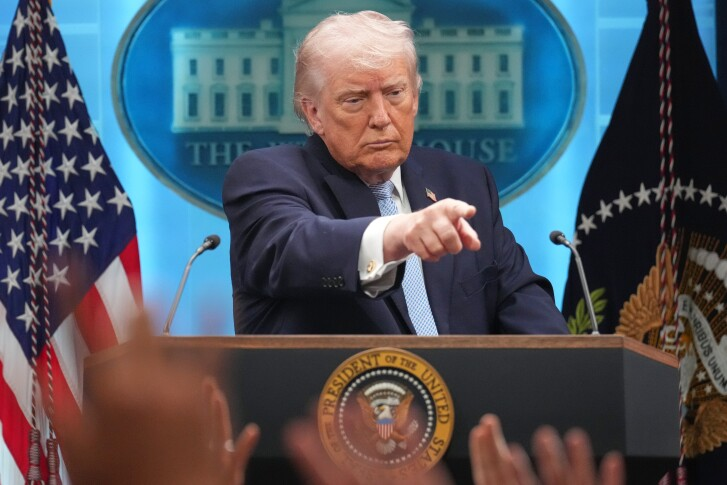
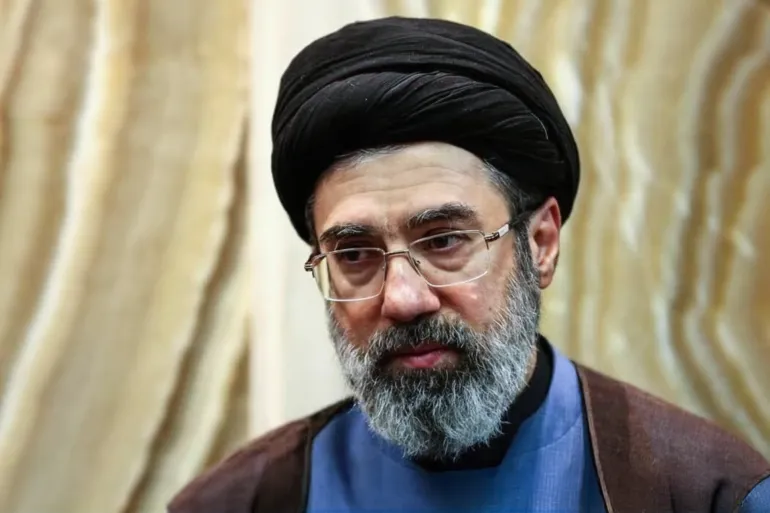
In a significant setback for diplomatic efforts, both the United States and Iran have rejected key elements of a mediator-proposed peace framework aimed at ending the conflict and reopening the Strait of Hormuz. The development comes hours before President Donald Trump’s self-imposed 8 p.m. ET deadline, raising fears of further escalation, including potential U.S. strikes on Iranian infrastructure.
Mediators, primarily through Pakistan with involvement from Egypt and Turkey, had presented a two-phase proposal: an immediate or short-term ceasefire (reportedly 45 days in some versions) followed by broader negotiations on a permanent settlement within 15–20 days. The plan sought to facilitate the reopening of the Strait of Hormuz to unrestricted international shipping in exchange for de-escalation.
Iran rejected the temporary ceasefire framework, insisting instead on a permanent end to the war with security guarantees, the lifting of sanctions, reconstruction support, and no further attacks. Iranian officials described the proposal as “unrealistic” and conducted under military pressure and sanctions, refusing to accept deadlines or temporary pauses. Tehran responded with its own 10-point (or 10-clause) counterproposal, which includes safe passage protocols through the Strait of Hormuz (potentially with fees), regional ceasefire elements, and sanctions relief.
President Trump and U.S. officials dismissed Iran’s counterproposal as “not good enough” and “maximalist,” reiterating that the Tuesday evening deadline remains in effect. Trump has warned of devastating strikes on Iranian power plants and bridges if demands for full, unrestricted reopening of the Strait of Hormuz are not met, while signaling limited flexibility only if “clear progress” is evident.
The Strait of Hormuz remains the central flashpoint, with ongoing restrictions contributing to global energy market volatility.
Key Elements of the Rejected Proposals
- Mediator Framework: Immediate ceasefire + reopening of Hormuz + follow-on talks for permanent settlement.
- Iran’s Position: No temporary ceasefire; demands permanent end to hostilities, sanctions relief, reconstruction aid, and guarantees against future attacks. Iran has proposed its own 10-point plan emphasizing safe passage and regional de-escalation.
- U.S. Position: Insists on immediate, unconditional reopening of the Strait of Hormuz without “tolls” or restrictions; views Iran’s demands as excessive and not aligned with stopping the conflict on U.S. terms.
Recent Context and Escalation Risks
The rejection follows:
- U.S. strikes on military targets at Kharg Island, Iran’s main oil export hub.
- Iran’s IRGC threats to cut off regional oil and gas “for years” if civilian infrastructure is hit.
- Russia’s warnings of a looming global energy and economic crisis.
- China’s offer to help mediate an end to the war.
- Security incidents, including the temporary closure of the King Fahd Causeway and a shooting near the Israeli consulate in Istanbul.
Recent U.S. actions under Operation Epic Fury have focused on military sites, but Trump’s rhetoric has raised the prospect of broader infrastructure strikes.
Global Implications
Failure to reach a deal by the deadline could lead to expanded military operations, further disruptions in the Strait of Hormuz (which handles ~20% of global seaborne oil trade), sharp energy price spikes, and heightened risks of regional spillover. Markets have shown increased volatility in response to the diplomatic impasse.
Both sides continue back-channel communications through mediators, but prospects for a breakthrough before 8 p.m. ET appear limited.
Reflecto News will provide continuous updates on any last-minute developments, official statements from Washington or Tehran, military movements, and energy market reactions as the deadline approaches.
Frequently Asked Questions (FAQs)
What peace plan was rejected by both sides?
A mediator-brokered framework (primarily via Pakistan) proposing an immediate or 45-day ceasefire, reopening of the Strait of Hormuz, and subsequent talks for a permanent settlement. Iran rejected the temporary nature and countered with its own 10-point plan; the U.S. found Iran’s response insufficient.
Why did Iran reject the proposal?
Iran insists on a permanent end to the war with guarantees, sanctions relief, and reconstruction — not a temporary pause under military pressure or deadlines.
What is Trump’s position?
The U.S. demands immediate, unrestricted reopening of the Strait of Hormuz. Trump has called Iran’s counterproposal “not good enough” and maintains the 8 p.m. ET deadline, warning of strikes on infrastructure if unmet.
What happens after the deadline?
If no acceptable deal emerges, President Trump has threatened expanded strikes on Iranian power plants and bridges. Iran has vowed strong retaliation, including long-term energy supply disruptions.
How does this affect global energy markets?
Any further escalation risks major disruptions through the Strait of Hormuz, potentially causing sharp oil price increases and contributing to the broader energy and economic crisis warned about by Russia and others.
For the latest on the Iran conflict, diplomatic efforts, and developments around Trump’s deadline, stay with Reflecto News.
Questions people ask
What is China's current share of global manufacturing?
China now accounts for twenty eight percent of global manufacturing. This industrial output exceeds the combined manufacturing production of the United States, Japan, and Germany, making China the leading global industrial power according to recent reports.
Why were Andrew Tate and Tristan Tate arrested in Miami?
Andrew Tate and his brother Tristan Tate were taken into custody in Miami by the United States Marshals Service. They face thirty eight new charges in the United Kingdom, including rape and child pornography offences, and prosecutors are seeking their extradition.
What warning did Moscow issue about oil prices?
Kirill Dmitriev, the Chief Executive of the Russian Direct Investment Fund, warned that a tsunami of skyrocketing oil prices is approaching. Moscow describes this potential energy shock as a major threat to global markets.
What political shift is projected for Benjamin Netanyahu's coalition?
Political polls project that Prime Minister Benjamin Netanyahu's coalition is on track to lose its majority in the upcoming October election. This projection indicates a potential political shift in Jerusalem.
Why did a Russian military aircraft land in Tehran?
A Russian airborne command aircraft, widely known as a doomsday plane, landed in Tehran. The arrival of the aircraft represents a high stakes show of support from Russia for Iran during a period of heightened regional tensions.
What did President Masoud Pezeshkian claim about the United States and Israel?
Iranian President Masoud Pezeshkian claimed that the United States and Israel failed in a forty eight hour plan to topple the Iranian government. He made these statements during a televised address marking two years since his inauguration.