Reflecto News is an online news platform covering major international political events, global economic developments, and security conflicts. The site provides updates on topics such as Chinese manufacturing dominance, Middle Eastern political tensions, and high profile legal arrests. Readers can access current articles organized by categories like World News, Iran, and USA.

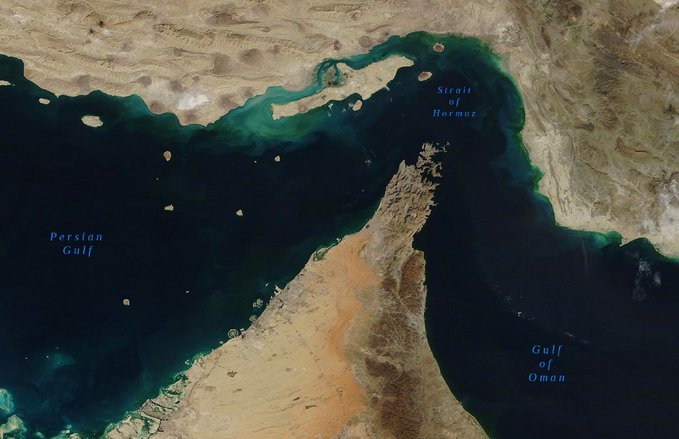
ABU DHABI / WASHINGTON — In a major geopolitical pivot reported on Tuesday, March 31, 2026, the United Arab Emirates (UAE) is moving toward joining the United States and its allies in direct military action to reopen the Strait of Hormuz. According to the Wall Street Journal, the Gulf nation is now lobbying for a United Nations Security Council (UNSC) resolution to provide a legal framework for the use of force to restore freedom of navigation in the world’s most critical energy chokepoint.
The UAE’s shift marks a significant escalation in the month-long conflict, as regional powers move from diplomatic mediation to active military preparation against the Iranian blockade.
The “Forceful Reopening” Plan
The WSJ report indicates that Emirati officials have been in “intensive consultations” with Washington and European capitals to define their role in a multinational maritime task force.
- Mine-Clearing Operations: One of the UAE’s primary contributions would be its specialized mine-countermeasure (MCM) capabilities to clear the sophisticated Iranian naval mines currently drifting in the Strait.
- Securing Key Areas: The UAE is reportedly prepared to deploy ground and naval assets to secure strategic coastal positions and offshore infrastructure to prevent further IRGC sabotage.
- The “Hormuz Resolution”: By pushing for a UN resolution, the UAE seeks to internationalize the mission, framing it not as a “U.S. war” but as a global effort to protect the “arteries of the world economy.”
Strategic Context: The April 6 Deadline
The UAE’s move arrives just as the Trump administration sets a firm April 6 deadline for a regional settlement.
- Economic Pressure: With global oil prices hitting record highs and U.S. gas prices topping $4 per gallon, the UAE—a major oil exporter—faces an existential threat to its own revenue and sovereign stability as long as the Strait remains closed.
- The “8:00 PM” Threat: The shift also coincides with the IRGC’s April 1 deadline, which warns of “retaliatory strikes” against the regional facilities of 18 U.S. technology firms (including Google, Apple, and Nvidia) if the air strikes on Tehran do not cease.
- Trump’s Withdrawal Hint: Earlier today, President Trump stated that the U.S. could leave Iran within 2-3 weeks, but emphasized that “someone” has to ensure the shipping lanes are open. The UAE appears ready to step into that “guarantor” role.
The Neutrality Bridge Collapses
For over a month, the UAE attempted to balance its security ties with the U.S. against its economic and diplomatic links with Tehran. However, the systematic targeting of energy infrastructure has forced a choice.
| Military Asset | Potential UAE Contribution |
| Naval Minesweepers | High (Critical for reopening lanes) |
| Special Forces | Medium (Securing offshore platforms) |
| Air Support | Low (Secondary to U.S.-Israeli air superiority) |
| Intelligence | High (Monitoring IRGC movements in the Gulf) |
Analysis: A New “Coalition of the Willing”
The UAE’s willingness to use force suggests that the “Neutral Bloc” of Gulf states is fracturing. While Qatar and Oman continue to push for the “Islamabad Track” peace plan, Abu Dhabi has calculated that only a “decisive kinetic action” can break the Iranian blockade.
However, the risk is extreme. Iranian Foreign Minister Araghchi warned today that Tehran is “waiting” for a ground or naval escalation, and any attempt to clear the Strait by force could trigger the very “total war” that regional leaders have spent the last month trying to avoid.
Questions people ask
What is China's current share of global manufacturing?
China now accounts for twenty eight percent of global manufacturing. This industrial output exceeds the combined manufacturing production of the United States, Japan, and Germany, making China the leading global industrial power according to recent reports.
Why were Andrew Tate and Tristan Tate arrested in Miami?
Andrew Tate and his brother Tristan Tate were taken into custody in Miami by the United States Marshals Service. They face thirty eight new charges in the United Kingdom, including rape and child pornography offences, and prosecutors are seeking their extradition.
What warning did Moscow issue about oil prices?
Kirill Dmitriev, the Chief Executive of the Russian Direct Investment Fund, warned that a tsunami of skyrocketing oil prices is approaching. Moscow describes this potential energy shock as a major threat to global markets.
What political shift is projected for Benjamin Netanyahu's coalition?
Political polls project that Prime Minister Benjamin Netanyahu's coalition is on track to lose its majority in the upcoming October election. This projection indicates a potential political shift in Jerusalem.
Why did a Russian military aircraft land in Tehran?
A Russian airborne command aircraft, widely known as a doomsday plane, landed in Tehran. The arrival of the aircraft represents a high stakes show of support from Russia for Iran during a period of heightened regional tensions.
What did President Masoud Pezeshkian claim about the United States and Israel?
Iranian President Masoud Pezeshkian claimed that the United States and Israel failed in a forty eight hour plan to topple the Iranian government. He made these statements during a televised address marking two years since his inauguration.