On November 19, 2026, the International Court of Justice ruled that Myanmar committed genocide against the Rohingya minority during the military’s 2017 “clearance operations” in northern Rakhine State. The court found, by a 9-6 vote, that the campaign was carried out with intent to destroy a substantial part of the Rohingya group.
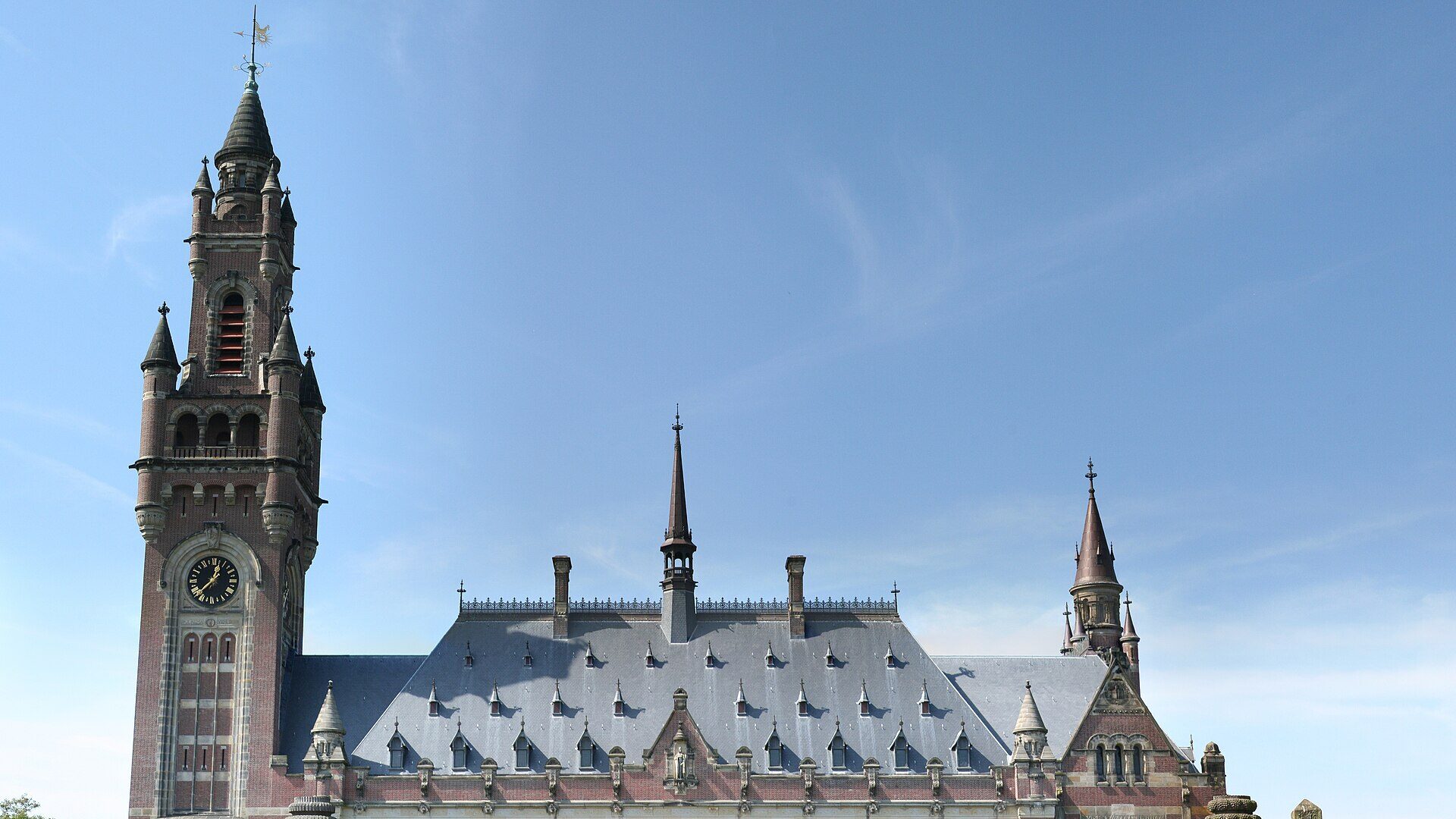
The ICJ Myanmar genocide decision is the first time in the court’s 80-year history that it has held a state responsible for genocide. ICJ President Yuji Iwasawa read the judgment in a session lasting three hours, described as the longest reading in the court’s history. The International Court of Justice is the principal judicial organ of the United Nations, and its ruling is final and legally binding, although the court has no enforcement mechanism of its own beyond reporting non-compliance to the United Nations Security Council.
The Ruling
The decision was made by a 15-judge panel, with nine judges in favour and six against. That division shows that the judgment was not unanimous, but a majority of the court was satisfied that the legal test for genocide had been met on the evidence before it.
At the centre of the ruling was the question of intent. The court concluded that the only reasonable inference from the pattern of violence was an intent to destroy a substantial part of the Rohingya group. In reaching that conclusion, it rejected Myanmar’s defence that the 2017 campaign was a legitimate counterinsurgency operation.
What the Court Found
According to the court, Myanmar’s security forces killed about 10,000 Rohingya civilians during the 2017 operations. The court also found that the forces perpetrated widespread sexual violence and acts of extreme violence against children, and attacked Rohingya who were fleeing.
The court found that nearly 400 villages were destroyed, amounting to about 40 percent of the almost 1,000 villages in the area. It also found that more than 700,000 Rohingya fled to Bangladesh during the same period.
The court also examined Myanmar’s wider legal obligations. It found that Myanmar violated its obligations to prevent genocide and to enact implementing legislation giving effect to the Genocide Convention. It further found that Myanmar violated the court’s January 2020 provisional measures order in relation to preserving evidence.
At the same time, the court drew a limit to its findings. It found that Myanmar did not directly and publicly incite genocide by private persons. In the ICJ Myanmar genocide case, the court therefore separated the questions it answered in the affirmative from the one it answered in the negative.
The Case: Gambia v. Myanmar
The case was brought by The Gambia, which filed its application in November 2019 accusing Myanmar of breaching the Genocide Convention. The Gambia brought the case as a party to the convention, rather than as a state directly affected by the events in Rakhine State.
In January 2020, the court unanimously ordered provisional measures. Those measures required Myanmar to prevent genocidal acts, to preserve evidence, and to report regularly to the court on the steps it was taking. In July 2022, the court ruled that it had jurisdiction to hear the case, allowing the proceedings to move to a full hearing on the substance of The Gambia’s claims.
For background on the earlier stage of the proceedings, see Reflecto News’ earlier report on the court’s decision in the Myanmar case.
What Myanmar Must Do Now
The court set out a series of orders for Myanmar. First, Myanmar must cease ongoing violations by enacting legislation giving full effect to its obligations under the Genocide Convention. That requirement links the judgment to domestic law, because the court found that Myanmar had failed to put the necessary legislation in place.
Second, Myanmar must take immediate and effective steps to investigate persons reasonably suspected of genocidal acts and, if warranted, prosecute and punish them. Third, Myanmar must facilitate the safe, voluntary and dignified return of displaced Rohingya to their places of residence.
Fourth, Myanmar must pay compensation to the Rohingya community and to individual victims. The amount of compensation, and the modalities for paying it, are to be decided in a subsequent phase of the proceedings. The court has therefore settled the principle of compensation, while leaving the details for a later stage.
Fifth, Myanmar must submit a report to the court within two years on the compliance measures it has taken. That reporting requirement gives the court a formal route to monitor the steps Myanmar takes in response to the judgment.
Why the ICJ Myanmar Genocide Ruling Matters
The ICJ Myanmar genocide ruling matters first because of its place in the court’s own history. It is the first time in 80 years that the court has held a state responsible for genocide, making the judgment a reference point for future cases under the Genocide Convention.
It also matters because the court’s rulings are final and legally binding. The judgment does not depend on the agreement of the state found responsible, and it cannot be appealed to another court. At the same time, the court has no enforcement mechanism of its own beyond reporting non-compliance to the UN Security Council, so the practical effect of the orders will depend on the steps Myanmar takes and on the wider international response.
Commentators note that the ruling could influence other proceedings, including South Africa’s genocide case against Israel over Gaza. The court is also handling genocide allegations linked to the Gaza conflict and the war in Ukraine. Those proceedings are separate cases, with their own facts and legal questions, but the Myanmar judgment will be studied for the way the court approached evidence, intent and state responsibility.
The wider debate about international law and accountability is also reflected in other recent developments. The UN Human Rights Council has urged member states to halt weapons transfers to Israel, as reported in the council’s call on arms transfers, while Spain has accused Israel of violating international law, as reported in Spain’s statement on international law. Those reports concern different situations, but they show that questions of international law, state responsibility and the role of UN bodies remain central to current world news.
Frequently Asked Questions
What did the ICJ decide about Myanmar and the Rohingya?
On November 19, 2026, the court ruled that Myanmar committed genocide against the Rohingya minority in northern Rakhine State during the military’s 2017 clearance operations. The ICJ Myanmar genocide ruling was made by a 9-6 vote of the 15-judge panel, and it is the first time in the court’s 80-year history that it has held a state responsible for genocide.
How did the judges vote in the case?
The decision was 9-6 by the 15-judge panel. ICJ President Yuji Iwasawa read the judgment in a three-hour reading, described as the longest in the court’s history. The court concluded that the only reasonable inference from the pattern of violence was an intent to destroy a substantial part of the Rohingya group, and it rejected Myanmar’s defence that the 2017 campaign was a legitimate counterinsurgency operation.
What must Myanmar do now under the court’s orders?
Myanmar must enact legislation giving full effect to its Genocide Convention obligations, take immediate and effective steps to investigate persons reasonably suspected of genocidal acts and, if warranted, prosecute and punish them, and facilitate the safe, voluntary and dignified return of displaced Rohingya to their places of residence. It must also pay compensation to the Rohingya community and individual victims, with the amount and modalities to be decided in a subsequent phase, and submit a report to the court within two years on compliance measures.
Are the court’s rulings binding, and can the court enforce them?
The ICJ is the principal judicial organ of the United Nations, and its rulings are final and legally binding. The court has no enforcement mechanism of its own beyond reporting non-compliance to the UN Security Council.