
Reflecto News is an online news platform covering major international political events, global economic developments, and security conflicts. The site provides updates on topics such as Chinese manufacturing dominance, Middle Eastern political tensions, and high profile legal arrests. Readers can access current articles organized by categories like World News, Iran, and USA.
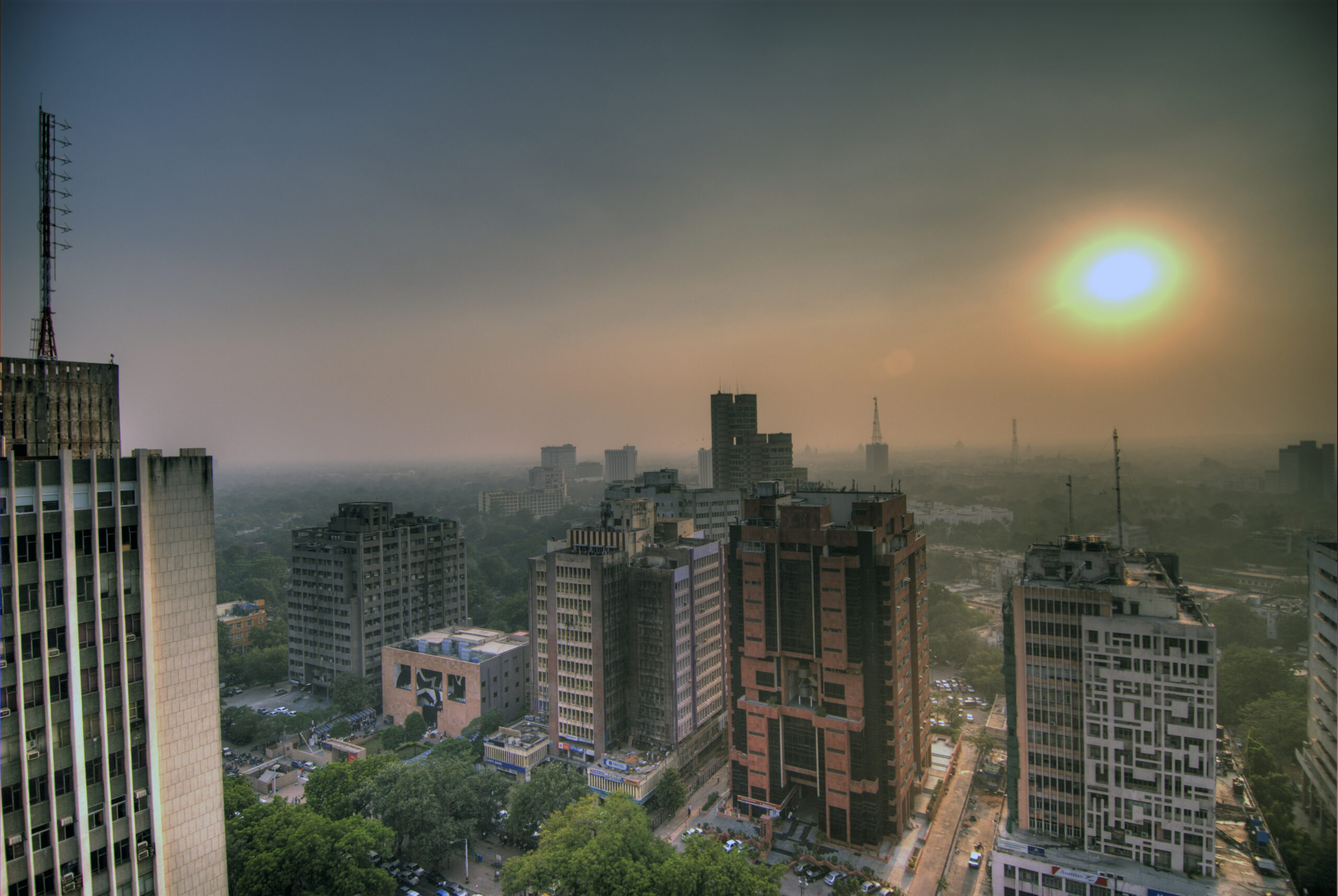
The Delhi AQI 377 reading was recorded at 8 a.m. on Wednesday, November 4, 2026, placing the city in India’s “very poor” category for a third consecutive day, according to reporting syndicated from the BBC. With PM2.5 as the prominent pollutant, the figure underlines how quickly air quality has deteriorated ahead of Diwali.
India’s official scale places readings from 301 to 400 in the “very poor” category, while readings above 400 are classed as “severe”. Delhi’s overall figure therefore sits near the top of the “very poor” band, rather than in the “severe” band as a citywide average, even though several individual stations recorded higher values on Wednesday morning.
The reading continues a run that began earlier in the week. Delhi entered the “very poor” range for the first time this season when its 24-hour average reached 324, a step that prompted the response now in force across the National Capital Region. Wednesday was the third consecutive day in that category, according to the reports.
What the November 4 readings show
Station-level readings published for Wednesday morning showed wide variation across the capital. Delhi University North Campus recorded 416, Bawana recorded 411 and Jawaharlal Nehru Stadium recorded 411, while Dwarka Sector 8 recorded 400. Commonwealth Sports Complex recorded 390, NSUT Jaffarpur recorded 383, Najafgarh recorded 379 and Indira Gandhi International Airport Terminal 3 recorded 360.
Two locations were higher still. Punjabi Bagh recorded 456 and Jahangirpuri recorded 450, both in the “severe” range. Severe pollution was recorded at 20 stations in total on Wednesday morning, a reminder that a citywide average can hide sharper local peaks.
The Delhi AQI 377 overall figure is therefore best read alongside those local readings: it describes the city as a whole at 8 a.m., while conditions at individual monitoring points ranged from the middle of the “very poor” band to well into “severe”.
Why Delhi AQI 377 matters for health
Very poor air raises health concerns for millions of residents, especially children, the elderly and vulnerable groups, according to the general framing in the reporting. Authorities commonly advise limiting outdoor exertion when air quality is in this range and urge vulnerable groups to take care, without overstating what a single morning reading can show about longer-term exposure.
That caution matters because the reading is not an isolated snapshot. It is the third day in the “very poor” category, and the official forecast points to more of the same in the near term, rather than a quick return to cleaner air.
GRAP Stage II: what is in force
Stage II of the Graded Response Action Plan, known as GRAP, has been in force across the National Capital Region since Monday, November 2. The Commission for Air Quality Management introduced the stage after Delhi’s 24-hour average AQI reached 324 and entered “very poor” for the first time this season.
GRAP Stage II measures curb dust, vehicle emissions and other sources. The plan is designed to act before conditions worsen further, by tightening controls on the activities that add to the load on the air, rather than waiting for the “severe” category to become the citywide norm.
Debates over emissions rules are also under way elsewhere, as governments weigh air quality against other pressures. For Delhi, however, the immediate question is whether the current stage, combined with weather and local conditions, is enough to keep the citywide figure from crossing into “severe”.
A cleaner October, then a sharp turn
The deterioration follows an unusually clean October, when Delhi recorded its lowest average AQI for the month in eight years. That recent contrast helps explain why the shift this week has drawn attention: the city is moving from a comparatively better month into the difficult winter period it faces each year.
Delhi and nearby northern India face hazardous air each winter, particularly around Diwali. The seasonal pattern, rather than a single day’s weather, is the backdrop to the current readings, and it is why forecasters and officials watch the early November figures closely.
Longer-term environmental goals are also the subject of international discussion, including a recent agreement to revive 2030 nature goals. The Delhi readings are a reminder that air quality is also a day-to-day public issue, not only a long-term one.
Diwali and the green firecracker rules
Diwali, the festival celebrated with lights, lamps and fireworks, falls on the weekend of November 7–8. Fireworks release fine particles and harmful gases, which can add to the burden on already poor air, and the timing of the festival therefore matters to the forecast for the days ahead.
On Monday, India’s Supreme Court allowed manufacture, sale and use of certified green firecrackers in Delhi and neighbouring areas for a limited period only. They may be set off only between 06:00–07:00 and 20:00–22:00 local time on November 7 and 8.
The same order bans their use within 300 metres of hospitals, care homes, schools and other designated silence zones. The limits are time-bound and place-bound: they do not amount to an unrestricted permission, and they sit alongside the GRAP measures already in force.
What happens next
The Air Quality Early Warning System for Delhi forecast air remaining “very poor” until at least Friday, November 6. That forecast, if it holds, would extend the current run beyond Wednesday and keep the city in the same category through the working week.
Attention will then turn to the Diwali weekend, when the court-ordered hours and silence-zone limits will be tested in practice, and to the readings that follow the festival. For now, the verified picture is clear on its own terms: the Delhi AQI 377 reading at 8 a.m., “very poor” for a third day, with severe readings at 20 stations.
This report draws on BBC reporting via syndication, IANS and National Herald reporting dated November 4, 2026. It uses only the figures and rules published in those reports and does not add health statistics, causes beyond those stated, or forecast numbers beyond the forecast already given.
Frequently asked questions
What was Delhi’s AQI on November 4, 2026?
Delhi’s overall AQI stood at 377 at 8 a.m. on Wednesday, November 4, 2026. That placed the city in India’s “very poor” category, which covers readings from 301 to 400, for a third consecutive day, with PM2.5 as the prominent pollutant.
Which Delhi stations recorded the worst air that morning?
Punjabi Bagh recorded 456 and Jahangirpuri recorded 450, both in the “severe” range. Severe pollution was recorded at 20 stations in total, while other stations included Delhi University North Campus at 416, Bawana at 411 and Jawaharlal Nehru Stadium at 411.
What is GRAP Stage II?
GRAP Stage II is the second stage of the Graded Response Action Plan for the National Capital Region. It has been in force since Monday, November 2, after Delhi’s 24-hour average AQI reached 324, and its measures curb dust, vehicle emissions and other sources.
What are the Diwali firecracker rules this year?
Certified green firecrackers may be set off in Delhi and neighbouring areas only between 06:00–07:00 and 20:00–22:00 local time on November 7 and 8, under a Supreme Court order made on Monday. They are banned within 300 metres of hospitals, care homes, schools and other designated silence zones.