🚨 JUST IN: Chinese President Xi Jinping Calls for a More Robust and Dynamic Partnership with the Arab World
By Reflecto News Desk
April 14, 2026
Chinese President Xi Jinping has urged the strengthening of ties with Arab nations, calling for a “more robust and dynamic partnership” between China and the Arab world as the international landscape undergoes unprecedented changes.
The remarks were made during a meeting at the Great Hall of the People in Beijing with Sheikh Khaled bin Mohamed bin Zayed Al Nahyan, Crown Prince of Abu Dhabi. Xi emphasized the need for greater coordination and cooperation, stating that “human society faces the choices of peace and war, as well as unity and confrontation.”
This latest call for deeper engagement comes amid acute tensions in the Gulf region following the breakdown of high-level US-Iran talks in Islamabad over the weekend and the fragile short-term ceasefire that ended five weeks of US-Israeli military operations against Iran.
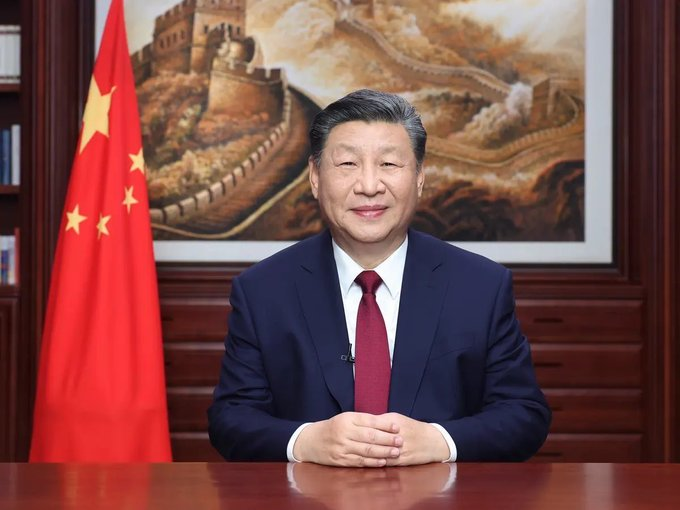
Xi’s Vision for China-Arab Relations
President Xi highlighted that the world is experiencing profound shifts, requiring stronger strategic alignment between China and Arab states. He positioned the partnership as essential for navigating global challenges and promoting stability, mutual benefit, and development.
Key elements from Xi’s statement include:
- Building a more robust and dynamic partnership to adapt to rapid global changes.
- Enhancing coordination and cooperation on major issues, particularly in choosing peace over war and unity over confrontation.
- Deepening political mutual trust, economic collaboration, and people-to-people exchanges.
China has long viewed the Arab world as a critical partner in its broader diplomatic strategy, including through the Belt and Road Initiative, energy cooperation, infrastructure projects, and support for multilateralism. Beijing has consistently advocated for a multipolar world order and respect for sovereignty in regional conflicts.
Timing and Geopolitical Context
The meeting with the UAE Crown Prince occurs at a sensitive moment:
- The US-Iran ceasefire remains precarious after failed marathon talks, with Vice President JD Vance stating Iran did not accept key US terms on its nuclear program.
- Allegations of potential arms flows to Iran (including denied claims involving China) and President Trump’s warning of “big problems” for any weapons shipments add layers of complexity.
- Spanish Prime Minister Pedro Sánchez, currently visiting Beijing, has also urged China to use its influence to help end conflicts in the region, including Iran.
China maintains strong economic links with many Arab states, serving as a major buyer of oil and gas while investing heavily in ports, railways, and technology across the Middle East and North Africa. The upcoming second China-Arab States Summit in China (previously announced for 2026) is expected to further institutionalize and elevate this partnership.
China’s Broader Approach to the Middle East
Beijing has repeatedly called for de-escalation in the Middle East, including in Iran, Gaza, Lebanon, and Ukraine. It has denied US intelligence reports about supplying weapons such as MANPADs to Iran and has highlighted its diplomatic role in supporting the recent ceasefire.
By reinforcing ties with the Arab world, China aims to:
- Secure energy supplies and diversify trade routes.
- Promote its vision of a “community with a shared future.”
- Position itself as a reliable partner for developing nations amid shifting global power dynamics.
Reflecto News will continue monitoring developments from Beijing, including outcomes of high-level meetings with Arab leaders, any joint initiatives announced, and implications for regional stability amid the ongoing US-Iran situation and preparations for the Trump-Xi summit.
Frequently Asked Questions (FAQs)
Q1: What exactly did President Xi Jinping say about the Arab world?
Xi called for “a more robust and dynamic partnership between China and the Arab world” and stressed that “greater coordination and cooperation are needed” as the world faces choices between peace/war and unity/confrontation.
Q2: Who did Xi meet when making these remarks?
He met with Sheikh Khaled bin Mohamed bin Zayed Al Nahyan, Crown Prince of Abu Dhabi, at the Great Hall of the People in Beijing on April 14, 2026.
Q3: Why is the timing of this statement significant?
It comes amid heightened tensions in the Gulf following failed US-Iran talks and a fragile ceasefire, highlighting China’s interest in playing a stabilizing diplomatic and economic role in the region.
Q4: What areas of cooperation does China typically pursue with Arab states?
Key areas include energy (oil and gas), infrastructure under the Belt and Road Initiative, trade, technology, finance, and cultural exchanges. China also supports Arab positions on issues like Palestine.
Q5: How does this fit into broader China-Arab relations?
China has been steadily deepening ties through mechanisms like the China-Arab States Cooperation Forum. The second China-Arab States Summit, to be hosted by China in 2026, is expected to mark another major milestone.
Q6: Does this relate to the current Iran situation?
Indirectly yes. While China denies any weapons involvement, it maintains strong economic ties across the Arab world and Iran and has called for de-escalation and dialogue to protect regional stability and energy security.
Q7: What is the outlook for China-Arab partnership?
Expect continued growth in economic cooperation, political support, and high-level exchanges, with China positioning itself as a key partner for modernization and development in the Arab world.
For the latest updates on China-Arab relations, the evolving Middle East situation, US-China diplomacy, and global geopolitical shifts, follow Reflecto News — your trusted source for accurate, timely, and comprehensive international coverage.