Reflecto News is an online news platform covering major international political events, global economic developments, and security conflicts. The site provides updates on topics such as Chinese manufacturing dominance, Middle Eastern political tensions, and high profile legal arrests. Readers can access current articles organized by categories like World News, Iran, and USA.
Published on Reflecto News | World News | Diplomacy & Conflict
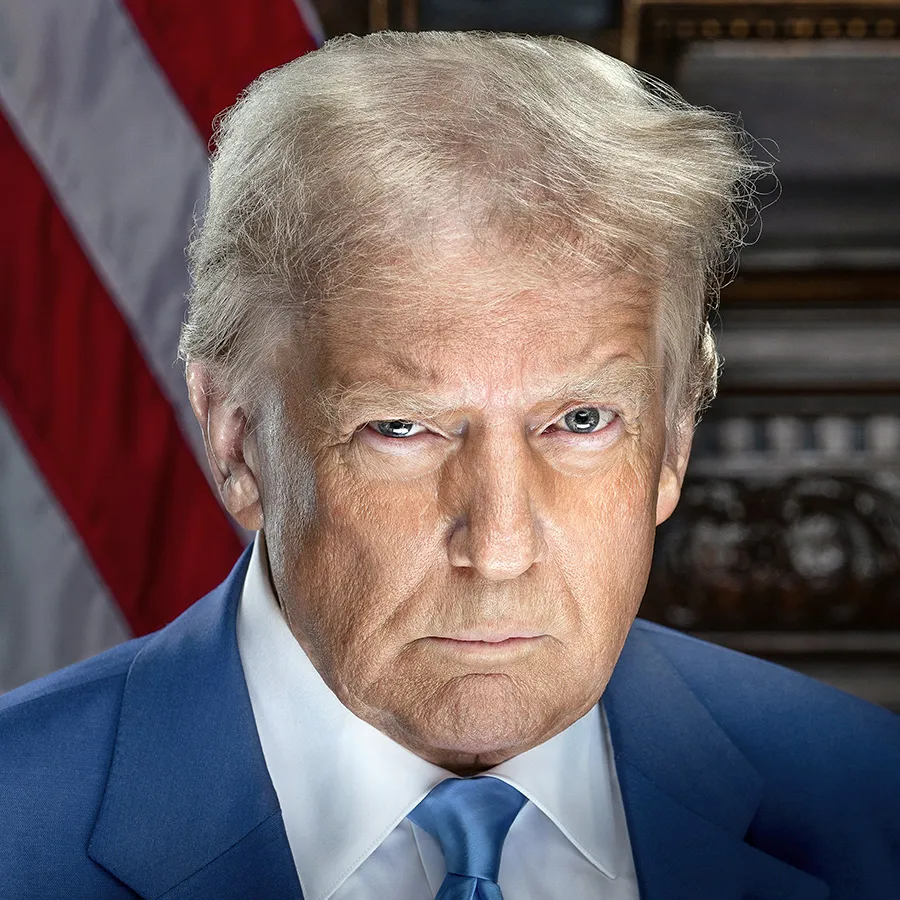
President Donald Trump has declared that the Iranians “desperately want to make a deal,” expressing optimism about the prospects for a nuclear agreement despite the collapse of the first round of direct talks in Islamabad. The statement, made during an interview with the New York Post, comes as diplomatic efforts intensify to reach a breakthrough before the fragile two-week ceasefire expires on April 22 .
“The Iranians desperately want to make a deal. They are in very bad shape. They have been decimated. And they know that we are going to make them economically thrive if they agree. So we’ll see what happens.” — President Donald Trump
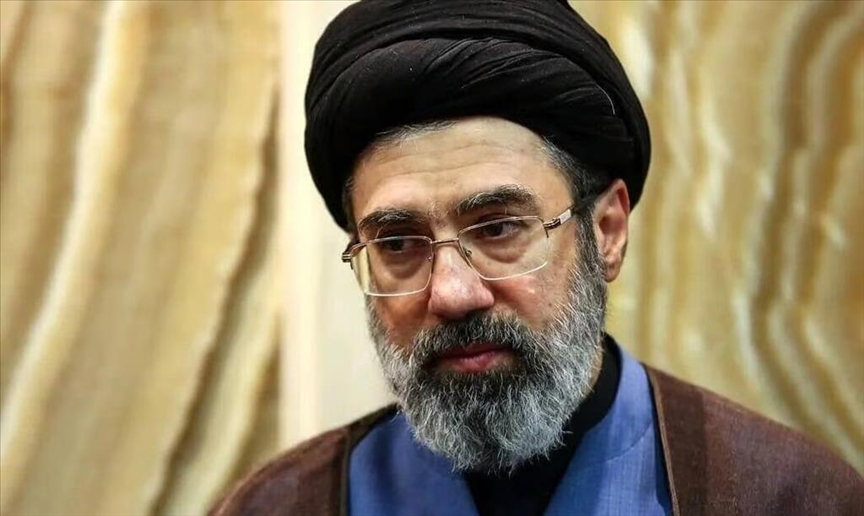
‘They Are in Very Bad Shape’
Trump’s characterization of Iran’s condition aligns with his previous statements about the war’s outcome. Since the US-Israeli strikes began on February 28, the president has repeatedly claimed that Iran has been “decimated,” that its military has been “destroyed,” and that its leadership has been eliminated .
The economic toll on Iran has been severe. According to Iranian officials, the war has inflicted approximately $270 billion in direct economic losses, with reconstruction costs potentially exceeding $1 trillion . The country’s currency has plunged, inflation has soared, and millions have lost their jobs .
However, Trump’s claim that Iran has been “decimated” stands in tension with the Islamic Republic’s continued military capabilities, including its control of the Strait of Hormuz, its operational proxy forces in Lebanon and Yemen, and its advanced nuclear program .
‘We Are Going to Make Them Economically Thrive’
Trump’s promise to make Iran “economically thrive” echoes Vice President JD Vance’s recent statement that the US is prepared to offer significant economic incentives if Iran agrees to forgo nuclear weapons .
Potential economic benefits of a deal:
| Component | Details |
|---|---|
| Sanctions relief | Lifting of primary and secondary sanctions |
| Frozen assets | Release of billions in assets held abroad |
| Foreign investment | Access to global capital markets |
| Oil exports | Unrestricted access to international buyers |
| Banking access | Reconnection to SWIFT and international financial system |
The promise of economic prosperity is the carrot to the administration’s military stick. Trump has also warned that if Iran does not agree to a deal, the US military is “locked and loaded” and prepared to “finish up the little that is left of Iran” .
The Current State of Play: Talks on Hold
Trump’s optimistic comments come as diplomatic efforts remain stalled. The first round of direct US-Iran talks in Islamabad ended after nearly 21 hours without an agreement, and a second round has not yet been scheduled .
| Issue | US Position | Iranian Position |
|---|---|---|
| Enrichment suspension | 20 years | 5 years (offered) |
| Enriched uranium stockpile | Ship out of Iran | Keep, but dilute |
| Strait of Hormuz | Immediate, full reopening | Only after final peace agreement |
| Regional proxies | End support for Hamas, Hezbollah, Houthis | Non-negotiable |
| Sanctions relief | Phased relief tied to compliance | Complete lifting of all sanctions |
Sources: Multiple news reports, official statements
The US has also imposed a naval blockade on Iranian ports, which Trump has framed as a pressure tactic. “The blockade is working,” Trump said. “Their oil exports are down. Their economy is suffering. They are feeling the pain” .
Iran’s Response: ‘Good Intentions but No Trust’
Iranian officials have reacted with skepticism to US overtures, citing decades of broken agreements and hostile US policy. Parliament Speaker Mohammad Bagher Ghalibaf, who led the Iranian delegation in Islamabad, stated that the US “failed to gain our trust” during negotiations .
President Masoud Pezeshkian has indicated that Iran is open to a “fair and balanced” deal but has insisted that the country’s nuclear program is for peaceful purposes and that its right to enrich is “non-negotiable” .
Iran’s Supreme National Security Council has also stated that Tehran will not accept any deal that does not include full sanctions relief, the release of frozen assets, and guarantees against future US withdrawal—a reference to the 2018 US exit from the JCPOA .
The Ceasefire Clock
Trump’s comments come as the two-week ceasefire brokered by Pakistan approaches its expiration on April 22. The truce was explicitly conditioned on Iran’s agreement to the “COMPLETE, IMMEDIATE, and SAFE OPENING” of the Strait of Hormuz — a condition Iran has not met .
| Ceasefire Element | Status |
|---|---|
| Duration | Two weeks (announced April 7) |
| Time remaining | Approximately one week |
| Direct US-Iran hostilities | Paused |
| Strait of Hormuz | Largely restricted; Iran maintains control |
| Israel-Lebanon front | Active; no ceasefire |
The administration is reportedly considering extending the ceasefire if progress is made in the coming days. Field Marshal Asim Munir of Pakistan, whom Trump has praised as “fantastic,” is said to be working to arrange a second round of talks and extend the truce .
The Military Option Remains
Despite his optimism about a deal, Trump has made clear that the military option remains on the table. The US naval blockade of Iranian ports continues, and the president has warned that “the ‘Shootin Starts,’ bigger, and better, and stronger than anyone has ever seen before” if Iran does not comply .
Israeli Prime Minister Benjamin Netanyahu has also declared that the campaign against Iran is “not over” and that Israel still has “more to do,” including the removal of Iran’s enriched uranium stockpile .
What Comes Next
As the ceasefire clock ticks down and diplomatic efforts continue, several scenarios are possible:
| Scenario | Likelihood | Implications |
|---|---|---|
| Second round of talks | Likely | Expected in coming days in Islamabad |
| Ceasefire extended | Possible | Would provide more diplomatic runway |
| Breakthrough agreement | Uncertain | Would require major Iranian concessions |
| Collapse of talks | Possible | Risk of resumed hostilities |
Trump’s declaration that Iranians “desperately want to make a deal” suggests that the administration sees a path to agreement. Whether Iran is willing to accept the US terms—including the surrender of its nuclear ambitions—remains the central question of the standoff.
Frequently Asked Questions (FAQs)
1. What did President Trump say about Iran wanting a deal?
Trump declared that “the Iranians desperately want to make a deal,” adding that they are “in very bad shape” and that the US will make them “economically thrive” if they agree .
2. Is a second round of US-Iran talks scheduled?
Not yet. The first round of talks in Islamabad ended without an agreement. A second round is expected in the coming days, but no date has been confirmed .
3. What economic incentives is the US offering?
Trump and Vance have promised that a deal would include sanctions relief, release of frozen assets, access to global capital markets, and economic prosperity for Iran .
4. Has Iran agreed to US terms?
No. Iran has refused to end enrichment or surrender its stockpile, offering instead to pause enrichment for up to five years while keeping its existing stockpiles .
5. Is the ceasefire still in effect?
Yes. The two-week ceasefire announced on April 7 remains in effect until April 22 .
6. What is the status of the US naval blockade?
The US naval blockade of Iranian ports continues, and Trump has framed it as a pressure tactic to bring Iran back to the negotiating table .
7. What happens if no deal is reached?
Trump has warned that the US military is “locked and loaded” and prepared to “finish up the little that is left of Iran” if no agreement is reached .
Stay informed with Reflecto News – Your trusted source for breaking diplomatic, nuclear security, and geopolitical intelligence. Subscribe for real-time updates on the US-Iran crisis, nuclear negotiations, and global security developments.
Questions people ask
What is China's current share of global manufacturing?
China now accounts for twenty eight percent of global manufacturing. This industrial output exceeds the combined manufacturing production of the United States, Japan, and Germany, making China the leading global industrial power according to recent reports.
Why were Andrew Tate and Tristan Tate arrested in Miami?
Andrew Tate and his brother Tristan Tate were taken into custody in Miami by the United States Marshals Service. They face thirty eight new charges in the United Kingdom, including rape and child pornography offences, and prosecutors are seeking their extradition.
What warning did Moscow issue about oil prices?
Kirill Dmitriev, the Chief Executive of the Russian Direct Investment Fund, warned that a tsunami of skyrocketing oil prices is approaching. Moscow describes this potential energy shock as a major threat to global markets.
What political shift is projected for Benjamin Netanyahu's coalition?
Political polls project that Prime Minister Benjamin Netanyahu's coalition is on track to lose its majority in the upcoming October election. This projection indicates a potential political shift in Jerusalem.
Why did a Russian military aircraft land in Tehran?
A Russian airborne command aircraft, widely known as a doomsday plane, landed in Tehran. The arrival of the aircraft represents a high stakes show of support from Russia for Iran during a period of heightened regional tensions.
What did President Masoud Pezeshkian claim about the United States and Israel?
Iranian President Masoud Pezeshkian claimed that the United States and Israel failed in a forty eight hour plan to topple the Iranian government. He made these statements during a televised address marking two years since his inauguration.