🚨 JUST IN: Chinese President Xi Jinping Meets Russian Foreign Minister Sergey Lavrov in Beijing Amid Heightened Middle East Tensions
By Reflecto News Desk
April 15, 2026
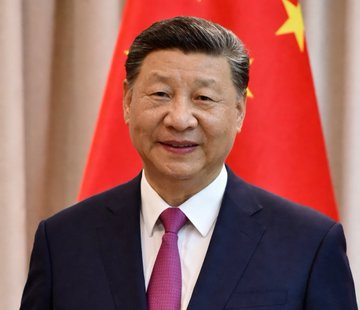
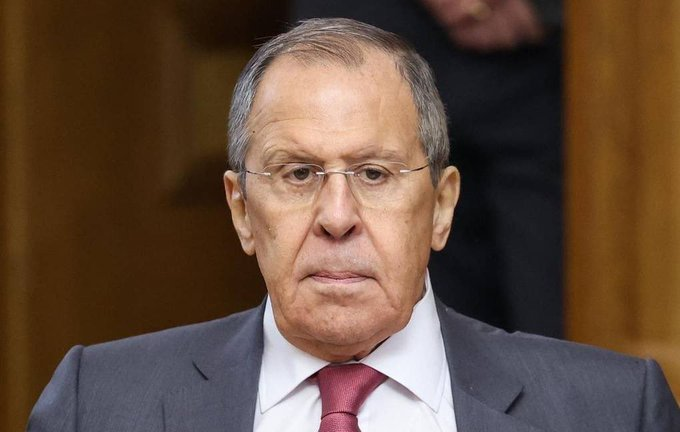
Chinese President Xi Jinping met with Russian Foreign Minister Sergey Lavrov in Beijing on April 15, 2026, as the two strategic partners coordinated positions on pressing international and regional issues, including the fragile US-Iran ceasefire and the ongoing US naval blockade in the Strait of Hormuz.
The high-level meeting occurred during Lavrov’s official two-day visit to China (April 14–15) at the invitation of Chinese Foreign Minister Wang Yi. Lavrov also held talks with Wang Yi, where both sides criticized external attempts to “contain” Russia and China and discussed preparations for a future summit between Presidents Vladimir Putin and Xi Jinping later this year.
Key Highlights from the Xi-Lavrov Meeting
According to official Chinese readouts, President Xi stressed the importance of deepening the comprehensive strategic partnership of coordination between China and Russia. He reaffirmed China’s support for Russia’s core interests and called for closer coordination on global affairs amid what he has previously described as an international order “crumbling into disarray.”
Lavrov, for his part, blasted efforts aimed at containing Russia and China. The two sides exchanged views on bilateral ties, practical cooperation across various fields, and major international and regional hotspots — notably the situation in the Middle East following the collapse of US-Iran talks in Islamabad and the recent US blockade in the Strait of Hormuz.
China and Russia have both voiced opposition to the US naval actions in the strategic waterway, through which a significant portion of China’s oil imports pass. Beijing has labeled the blockade “dangerous and irresponsible,” while Moscow has aligned closely with calls for de-escalation and respect for freedom of navigation.
Timing and Broader Geopolitical Context
The meeting comes at a critical juncture:
- The short-term US-Iran ceasefire remains precarious after marathon talks failed, with Vice President JD Vance stating Iran did not accept key US demands on its nuclear program.
- US intelligence claims (denied by Beijing) about potential Chinese arms supplies to Iran, including MANPADs, have fueled tensions, alongside President Trump’s threat of 50% tariffs on countries providing military aid to Tehran.
- A US-sanctioned Chinese tanker recently tested the Hormuz blockade, heightening concerns over energy security and global shipping.
- China has been actively engaging multiple partners — including Spanish PM Pedro Sánchez, UAE Crown Prince Sheikh Khaled, and now Russia — to promote diplomatic solutions and a multipolar approach to regional crises.
Lavrov and Wang Yi also synchronized preparations for the next Putin-Xi summit, underscoring the enduring strength of the “no-limits” partnership between Moscow and Beijing.
Implications for Global Diplomacy
Analysts view the Xi-Lavrov meeting as part of a broader effort by China and Russia to present a united front against perceived unilateral actions by the United States and its allies. Both nations advocate for a multipolar world order centered on the United Nations, respect for sovereignty, and opposition to “hegemonism.”
The discussions are expected to influence dynamics ahead of President Trump’s planned summit with Xi Jinping in May, where trade disputes, the Iran situation, Hormuz navigation, and great-power competition are likely to dominate the agenda.
Reflecto News will continue tracking outcomes from the Lavrov visit, any joint statements on the Middle East or Ukraine, and developments surrounding the US blockade in the Strait of Hormuz.
Frequently Asked Questions (FAQs)
Q1: When and where did Xi Jinping meet Sergey Lavrov?
The meeting took place on April 15, 2026, in Beijing during Lavrov’s official visit to China from April 14 to 15.
Q2: What topics were discussed?
The leaders addressed bilateral relations, practical cooperation, preparations for a future Putin-Xi summit, and major international/regional issues, including the Middle East crisis and the US blockade in the Strait of Hormuz.
Q3: Why is the timing of this meeting significant?
It occurs amid escalating US-Iran tensions, the fragile ceasefire, the Hormuz blockade affecting global energy flows, and ongoing US-China trade frictions, including tariff threats linked to Iran.
Q4: What is Russia and China’s shared stance on the Hormuz situation?
Both countries have criticized the US blockade as dangerous and irresponsible, calling for de-escalation, respect for international law, and unimpeded navigation in the strategic strait.
Q5: Did the meeting address efforts to “contain” Russia and China?
Yes. Lavrov publicly blasted such attempts during his visit, reflecting a common narrative from both sides against perceived external pressure.
Q6: Will this impact the upcoming Trump-Xi summit?
The May summit is still expected, but the Iran/Hormuz developments, combined with trade issues, are likely to feature prominently in discussions.
Q7: How strong are current China-Russia ties?
The relationship is described as a comprehensive strategic partnership of coordination. The two sides frequently coordinate on global issues and maintain close high-level contacts, including plans for another leaders’ summit this year.
For the latest updates on China-Russia relations, the evolving Middle East situation, the Strait of Hormuz blockade, and US-China diplomacy, follow Reflecto News — your trusted source for accurate, timely, and comprehensive international coverage.