Reflecto News is an online news platform covering major international political events, global economic developments, and security conflicts. The site provides updates on topics such as Chinese manufacturing dominance, Middle Eastern political tensions, and high profile legal arrests. Readers can access current articles organized by categories like World News, Iran, and USA.
Published on Reflecto News | World News | Energy & Geopolitics
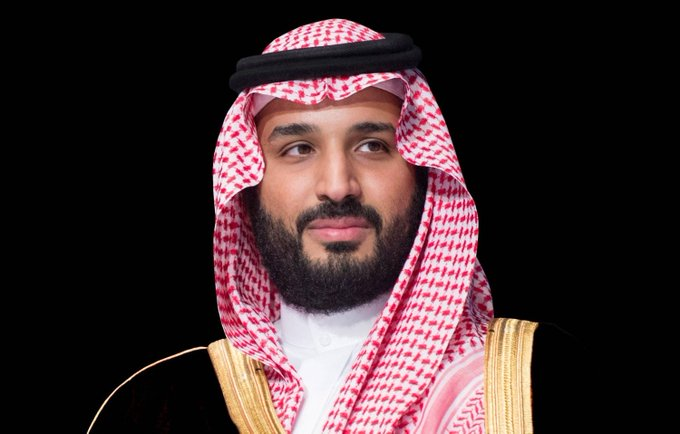
Saudi Arabia’s crude oil exports to China, the world’s largest importer, are set to plunge by approximately 50 percent in May as the ongoing Middle East war continues to sever traditional energy supply routes and send prices soaring. The dramatic reduction—from roughly 40 million barrels allocated for April loading to just 20 million barrels planned for May—underscores the severe and immediate impact of the six-week conflict on global energy markets .
The supply shock comes as the United States implements a naval blockade of the Strait of Hormuz, a choke-point through which approximately 20 percent of the world’s oil passes, and as US-Iran negotiations in Islamabad collapse without an agreement .
The ‘Halving’ of a Vital Supply Line
According to multiple trading sources familiar with the matter, Saudi Arabia’s state-owned oil giant Aramco has informed Chinese customers of the sharp reduction in scheduled shipments for next month . The 20 million barrel figure represents a drastic cut from April’s allocations, reflecting the physical impossibility of moving crude through a war zone .
The cut in sales comes after Aramco raised its official selling prices for Asian customers to a record high, adding an unprecedented premium to the cost of oil . Saudi Arabia has been forced to raise the price of its flagship Arab Light crude loading for Asia in May to a premium of $19.50 above the average Oman/Dubai benchmark .
The disruption has been so severe that the benchmarks used to price Saudi oil—Dubai and Oman crude—have themselves become increasingly erratic and volatile due to a shortage of the physical barrels used to assess them .
The Yanbu Bottleneck: A Pipeline Cannot Replace a Sea Lane
While Saudi Arabia has an alternative outlet for its oil at the Yanbu port on the Red Sea—accessed via the Petroline East-West Pipeline—this single route is incapable of replacing the massive flow of oil that previously left the kingdom through the Persian Gulf .
Yanbu has an export capacity of approximately 5 million barrels per day. However, before the war, Saudi Arabia was shipping roughly 7.2 million barrels per day, mainly from facilities within the Persian Gulf . That means nearly one-third of the kingdom’s pre-war export capacity is currently inaccessible, trapped behind the closed gates of the Strait of Hormuz.
Furthermore, Asian refiners are currently only being offered Arab Light grade crude via the Red Sea port, limiting their access to the heavier grades their complex refineries are designed to process .
The Geopolitical Context: Collapsed Talks and a New Blockade
The supply disruption shows no signs of easing. High-stakes talks between the United States and Iran in Islamabad over the weekend failed to yield an agreement, leaving the future of the ceasefire uncertain . Following the diplomatic breakdown, President Donald Trump announced the immediate blockade of the Strait of Hormuz, preventing all maritime traffic from entering or exiting Iranian ports .
For Saudi Arabia and the Gulf states, this blockade traps their primary export pathway in a vice. While Iran has been selectively allowing cargoes to pass, the US blockade now threatens to halt all traffic through the waterway, leaving Saudi oil stuck at the docks of its eastern terminals .
China’s Energy Dilemma
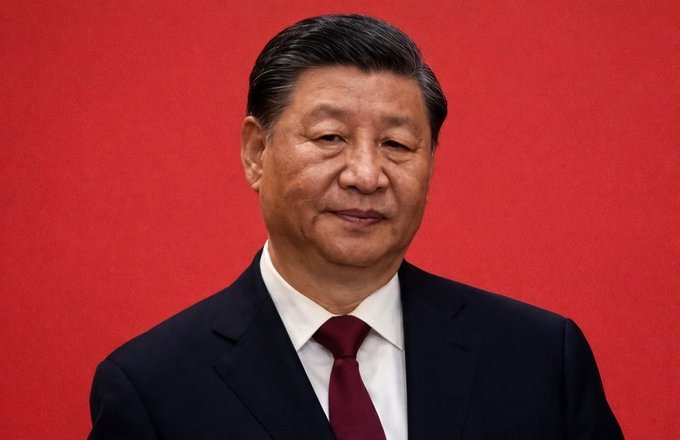
The reduction in Saudi shipments creates a critical dilemma for China, which relies heavily on Middle Eastern crude to fuel its massive economy. As the world’s top importer, China is now forced to compete for dwindling alternative supplies on the spot market at inflated prices, or dip deeper into its strategic petroleum reserves.
This situation hands significant leverage to other major producers like the United States and Russia, who are not affected by the Hormuz closure and can command premium prices for their oil. President Trump has previously taunted China, Japan, and Germany for lacking the “courage or will” to secure the strait themselves, while positioning the US to fill the supply gap .
What Comes Next
The reduction in Saudi volumes is not a one-time shock but a preview of a potentially prolonged period of tight supply.
| Factor | Impact |
|---|---|
| US Naval Blockade | Officially began April 13; halts all vessels in/out of Iranian ports |
| Saudi Export Capacity | Limited to ~5m bpd via Yanbu; pre-war capacity was ~7.2m bpd |
| Oil Prices | Saudi premium hit record $19.50 over benchmark; Brent elevated near $100 |
| Chinese Stockpiles | Will be drawn down to cover the shortfall |
The war has demonstrated the fragility of global energy supply chains. With no diplomatic resolution in sight, the price of oil and the security of supply for Asian giants like China remain at the mercy of the conflict’s next turn.
Frequently Asked Questions (FAQs)
1. How much will Saudi oil exports to China drop?
Saudi Arabia is expected to ship only about 20 million barrels of oil to China in May, a 50 percent reduction from the roughly 40 million barrels allocated for loading in April .
2. Why is this happening?
The closure of the Strait of Hormuz due to the Iran war has blocked Saudi Arabia’s primary export route. While the kingdom can use the Yanbu port on the Red Sea, its capacity is significantly lower than the Persian Gulf facilities .
3. Did Saudi Arabia raise its prices?
Yes. Aramco raised the official selling price for its flagship Arab Light crude for Asian customers to a record premium of $19.50 per barrel over the benchmark .
4. How does the US blockade affect this?
The US has announced a naval blockade of the Strait of Hormuz, preventing all maritime traffic from entering or exiting Iranian ports. This further destabilizes the region and makes the safe passage of tankers highly uncertain .
5. Can China get oil from elsewhere?
China will need to compete for alternative supplies from the US and Russia, tap into its strategic reserves, or pay significantly higher spot prices to secure crude from other regions .
Stay informed with Reflecto News – Your trusted source for breaking energy security and geopolitical intelligence. Subscribe for real-time updates on the global oil crisis and shifting trade flows.
Questions people ask
What is China's current share of global manufacturing?
China now accounts for twenty eight percent of global manufacturing. This industrial output exceeds the combined manufacturing production of the United States, Japan, and Germany, making China the leading global industrial power according to recent reports.
Why were Andrew Tate and Tristan Tate arrested in Miami?
Andrew Tate and his brother Tristan Tate were taken into custody in Miami by the United States Marshals Service. They face thirty eight new charges in the United Kingdom, including rape and child pornography offences, and prosecutors are seeking their extradition.
What warning did Moscow issue about oil prices?
Kirill Dmitriev, the Chief Executive of the Russian Direct Investment Fund, warned that a tsunami of skyrocketing oil prices is approaching. Moscow describes this potential energy shock as a major threat to global markets.
What political shift is projected for Benjamin Netanyahu's coalition?
Political polls project that Prime Minister Benjamin Netanyahu's coalition is on track to lose its majority in the upcoming October election. This projection indicates a potential political shift in Jerusalem.
Why did a Russian military aircraft land in Tehran?
A Russian airborne command aircraft, widely known as a doomsday plane, landed in Tehran. The arrival of the aircraft represents a high stakes show of support from Russia for Iran during a period of heightened regional tensions.
What did President Masoud Pezeshkian claim about the United States and Israel?
Iranian President Masoud Pezeshkian claimed that the United States and Israel failed in a forty eight hour plan to topple the Iranian government. He made these statements during a televised address marking two years since his inauguration.