🚨 JUST IN: Spanish Prime Minister Pedro Sánchez Urges China to Leverage Its Influence to End the War in Iran
By Reflecto News Desk
April 13, 2026
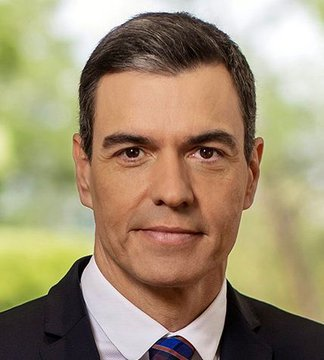
Spanish Prime Minister Pedro Sánchez has called on China to play a more active role in ending the ongoing conflict in Iran, urging Beijing to use its significant international influence and close ties with Tehran to help bring lasting peace to the region.
Speaking at Tsinghua University in Beijing on Monday during his fourth visit to China in just over three years, Sánchez stated that “China can do more” by demanding respect for international law and pressing for an end to conflicts in Iran, Lebanon, Gaza, the West Bank, and Ukraine. He emphasized that China should leverage its relationships — particularly with Iran and Russia — to contribute more substantially toward de-escalation in the Gulf region.
The remarks come as a fragile short-term ceasefire between the United States and Iran remains in place following five weeks of US-Israeli joint military operations that began in February 2026. High-level talks in Islamabad ended without a breakthrough over the weekend, with US Vice President JD Vance stating that Iran had not accepted key US terms on its nuclear program.
Sánchez’s Appeal Amid Spain’s Stance on the Conflict
Spain has emerged as one of Europe’s strongest critics of the military actions against Iran. Sánchez’s government refused to allow US aircraft to use Spanish bases for strikes and has repeatedly described the operations as unjustifiable violations of international law.
In his speech, Sánchez positioned Europe — and Spain in particular — as a voice for diplomacy and multilateralism at a time when the United States appears to be stepping back from certain global leadership roles. He urged both China and Europe to assume greater responsibility in a multipolar world, including on issues of security, climate change, and nuclear non-proliferation.
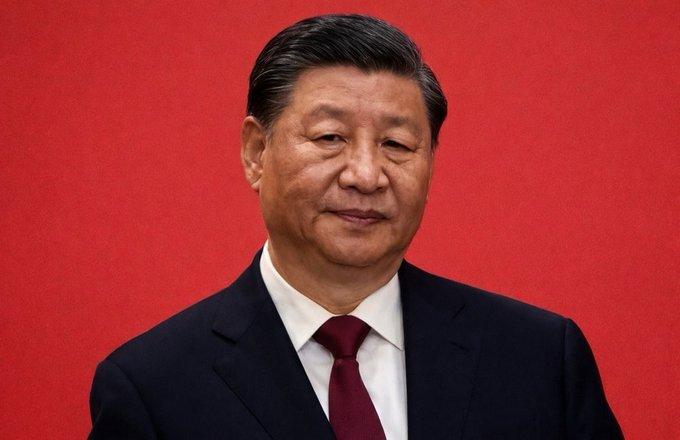
Sánchez is scheduled to meet Chinese President Xi Jinping during his three-day visit, which also focuses on strengthening bilateral trade, technology cooperation, and investment ties between Spain and China.
China’s Position on the Iran Conflict
China has consistently called for de-escalation and dialogue in the Middle East while denying US intelligence claims that it plans to supply shoulder-fired anti-aircraft missiles (MANPADs) to Iran. Beijing has described such reports as false and has highlighted its diplomatic efforts to help facilitate the current ceasefire.
China remains Iran’s largest trading partner and primary buyer of its sanctioned oil, giving it substantial economic leverage. Analysts note that Beijing prefers a stable region to protect its energy imports and avoid disruptions in the strategically vital Strait of Hormuz.
Broader Geopolitical Implications
Sánchez’s appeal reflects growing European interest in engaging China on global security matters amid strained transatlantic relations over the Iran conflict. It also underscores the delicate balancing act for Beijing: maintaining ties with Iran for energy security while navigating tensions with the United States ahead of President Donald Trump’s planned summit with Xi Jinping next month.
The failure of recent US-Iran talks in Islamabad has left the ceasefire’s long-term viability uncertain. Concerns persist about Iran potentially using the pause to restock military capabilities, including air defense systems.
Reflecto News will continue to follow developments from Beijing, including outcomes of Sánchez’s meetings with Chinese leaders, any Chinese response to the Spanish call, and updates on the US-Iran ceasefire situation.
Frequently Asked Questions (FAQs)
Q1: What exactly did Pedro Sánchez ask China to do regarding Iran?
Sánchez urged China to leverage its influence over Iran (and Russia) to demand respect for international law and help end the conflicts in Iran and other regional hotspots, contributing more actively to peace efforts.
Q2: Why is Sánchez in China now?
This is his fourth visit in recent years. The trip aims to strengthen trade, investment, and technology ties between Spain and China, while also addressing global issues like the Iran conflict.
Q3: How has Spain positioned itself on the US-Iran conflict?
Spain has been highly critical, refusing US use of its military bases for strikes on Iran and calling the military actions unjustifiable. Sánchez has advocated strongly for diplomacy over escalation.
Q4: What is the current status of the US-Iran ceasefire?
A short-term truce is in effect, but high-level talks in Islamabad recently failed after 21 hours without agreement on Iran’s nuclear program. Technical discussions may continue.
Q5: How does China view its role in the Iran situation?
China has denied supplying weapons to Iran, called for de-escalation, and claims it played a constructive diplomatic role in helping arrange the ceasefire. It emphasizes dialogue and respect for sovereignty.
Q6: Will Sánchez’s comments affect US-China or US-Spain relations?
They add to existing tensions. Spain’s criticism has already strained ties with the Trump administration, while the appeal to China occurs ahead of the upcoming Trump-Xi summit.
Q7: Why is the Strait of Hormuz important in this context?
The strait is a critical chokepoint for global oil shipments, including much of China’s energy imports. Any renewed conflict could disrupt markets and affect energy security worldwide.
For the latest updates on the Iran ceasefire, US-China diplomacy, European positions on the Middle East, and international developments, follow Reflecto News — your trusted source for accurate, timely, and comprehensive global coverage.