Reflecto News is an online news platform covering major international political events, global economic developments, and security conflicts. The site provides updates on topics such as Chinese manufacturing dominance, Middle Eastern political tensions, and high profile legal arrests. Readers can access current articles organized by categories like World News, Iran, and USA.
Reflecto News Desk
April 8, 2026
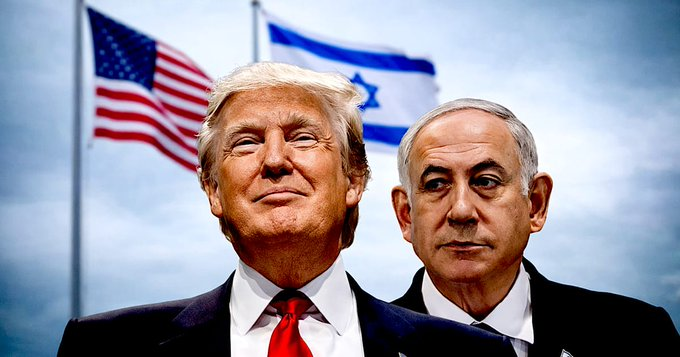
A new Pew Research Center survey reveals a continued and significant decline in American public opinion toward Israel and Prime Minister Benjamin Netanyahu. According to the poll released on April 7, 2026, 60% of U.S. adults now hold an unfavorable view of Israel, while 59% express little or no confidence in Netanyahu to handle world affairs. These figures mark notable increases from previous years and highlight a deepening generational and partisan divide in U.S. attitudes toward a key ally amid ongoing regional conflicts.
The findings come as the Middle East grapples with the aftermath of the 2026 Iran war, escalations involving Hezbollah in Lebanon, and persistent tensions in Gaza and beyond. While the survey does not directly attribute causation, analysts point to prolonged conflicts, humanitarian concerns, and debates over U.S. foreign policy as contributing factors to shifting sentiments.
Key Findings from the Pew Spring 2026 Survey
Conducted March 23–29, 2026, among 3,507 U.S. adults via the American Trends Panel, the poll shows:
- Views of Israel: 37% favorable (11% very favorable, 26% somewhat favorable) versus 60% unfavorable (32% somewhat, 28% very unfavorable). This represents a 7-point rise in unfavorable opinions from Spring 2025 (53%) and an 18-point increase since Spring 2022 (42% unfavorable).
- Views of Netanyahu: Only 27% have confidence (8% a lot, 19% some), while 59% have little or no confidence (24% not too much, 35% no confidence at all). No-confidence levels rose 7 points from 52% in Spring 2025.
The share expressing “very unfavorable” views of Israel nearly tripled from 10% in 2022 to 28% in 2026.
Generational Divide: Young Adults Driving the Shift
The backlash is particularly pronounced among younger Americans (under 50), with majorities in both parties expressing negative views:
- Among Republicans ages 18–49: 57% unfavorable toward Israel (up from 50% last year).
- Democrats under 50 show even higher negativity, with many holding “very unfavorable” opinions.
- Confidence in Netanyahu remains low across younger cohorts, with under-50 Republicans showing notably lower confidence than those 50 and older.
Older Americans (50+)—especially Republicans—continue to hold more favorable views of Israel and greater confidence in its leadership. This age gap suggests long-term implications for U.S. policy as younger generations gain political influence.
Partisan Breakdowns
- Democrats and Democratic-leaning independents: 80% unfavorable toward Israel (up sharply from 53% in 2022); 76% lack confidence in Netanyahu.
- Republicans and Republican-leaning independents: 58% favorable toward Israel overall, but with rising negativity among younger members (41% unfavorable). Views of Netanyahu are more divided.
Religious differences also stand out:
- Jewish Americans: 64% favorable toward Israel, but 56% lack confidence in Netanyahu.
- White evangelical Protestants: 65% favorable toward Israel.
- Religiously unaffiliated: Only 22% favorable toward Israel.
- Muslim Americans: Just 4% favorable toward Israel.
Broader Context: Wars, Leadership, and U.S. Foreign Policy
American attitudes toward Israel have grown more negative since before the October 7, 2023, Hamas attacks and the ensuing Gaza conflict. The trend accelerated through 2025 and into 2026 amid Israel’s operations against Hezbollah in Lebanon and the broader U.S.-Israeli actions during the Iran war.
The survey also gauged personal importance of the Israel-Hamas conflict (53% say very or somewhat important, stable from last year) and confidence in U.S. leadership on the relationship. Only 43% express confidence in President Trump’s handling of U.S.-Israel ties, with a stark partisan split (73% of Republicans vs. 16% of Democrats).
While views of the Israeli people have historically remained more positive than those of the government or specific policies, the latest data shows overall favorability for Israel as a country continuing its downward trajectory.
Potential Implications for U.S.-Israel Relations
This shift raises questions about the future of bipartisan support for Israel in Congress and public backing for military aid. Generational change could pressure policymakers, particularly as younger voters prioritize domestic issues and express concerns over prolonged conflicts and humanitarian impacts.
Israeli officials and pro-Israel groups have expressed concern over declining U.S. public support in recent years. Supporters of Israel argue that media coverage, campus activism, and social media narratives play a role in shaping younger Americans’ views. Critics, meanwhile, cite civilian casualties, settlement policies, and Netanyahu’s long tenure as factors eroding goodwill.
FAQs About the Pew Poll on U.S. Views of Israel and Netanyahu
Q: What exactly does the Pew survey measure regarding Israel?
A: It asks for favorable or unfavorable opinions of Israel as a country. Separate questions assess confidence in Prime Minister Benjamin Netanyahu on world affairs.
Q: How much has opinion changed since 2022?
A: Unfavorable views of Israel rose from 42% in Spring 2022 to 60% in Spring 2026. No-confidence in Netanyahu increased from around 42% in 2023 to 59% in 2026.
Q: Is the decline only among Democrats?
A: No. While Democrats show the sharpest increases (80% unfavorable), younger Republicans (under 50) have also seen rising negative views, reaching 57% unfavorable toward Israel.
Q: Does the poll distinguish between the Israeli government and its people?
A: This specific survey focuses on Israel as a country and Netanyahu personally. Earlier Pew polls have shown more positive views of the Israeli people compared to the government.
Q: When and how was the survey conducted?
A: March 23–29, 2026, via Pew’s American Trends Panel with 3,507 U.S. adults. Results are weighted to represent the adult population.
Q: Could recent events like the Iran war influence these results?
A: The survey was fielded about a month into heightened regional tensions, including U.S.-Israeli actions against Iran. Prolonged conflicts in Gaza and Lebanon likely contribute to the broader trend.
This Pew poll underscores a clear generational and partisan evolution in American attitudes. As debates over U.S. foreign policy intensify, these shifts may influence future aid decisions, diplomatic efforts, and electoral politics.
Reflecto News will continue monitoring related developments and additional polling data. For the full methodology and topline results, refer to the Pew Research Center website.
All statistics drawn from the official Pew Research Center release dated April 7, 2026.
Questions people ask
What is China's current share of global manufacturing?
China now accounts for twenty eight percent of global manufacturing. This industrial output exceeds the combined manufacturing production of the United States, Japan, and Germany, making China the leading global industrial power according to recent reports.
Why were Andrew Tate and Tristan Tate arrested in Miami?
Andrew Tate and his brother Tristan Tate were taken into custody in Miami by the United States Marshals Service. They face thirty eight new charges in the United Kingdom, including rape and child pornography offences, and prosecutors are seeking their extradition.
What warning did Moscow issue about oil prices?
Kirill Dmitriev, the Chief Executive of the Russian Direct Investment Fund, warned that a tsunami of skyrocketing oil prices is approaching. Moscow describes this potential energy shock as a major threat to global markets.
What political shift is projected for Benjamin Netanyahu's coalition?
Political polls project that Prime Minister Benjamin Netanyahu's coalition is on track to lose its majority in the upcoming October election. This projection indicates a potential political shift in Jerusalem.
Why did a Russian military aircraft land in Tehran?
A Russian airborne command aircraft, widely known as a doomsday plane, landed in Tehran. The arrival of the aircraft represents a high stakes show of support from Russia for Iran during a period of heightened regional tensions.
What did President Masoud Pezeshkian claim about the United States and Israel?
Iranian President Masoud Pezeshkian claimed that the United States and Israel failed in a forty eight hour plan to topple the Iranian government. He made these statements during a televised address marking two years since his inauguration.