Reflecto News is an online news platform covering major international political events, global economic developments, and security conflicts. The site provides updates on topics such as Chinese manufacturing dominance, Middle Eastern political tensions, and high profile legal arrests. Readers can access current articles organized by categories like World News, Iran, and USA.
By Reflecto News Staff
April 5, 2026
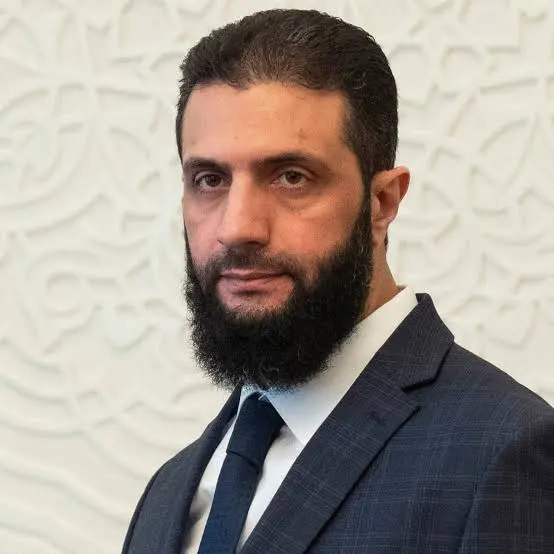
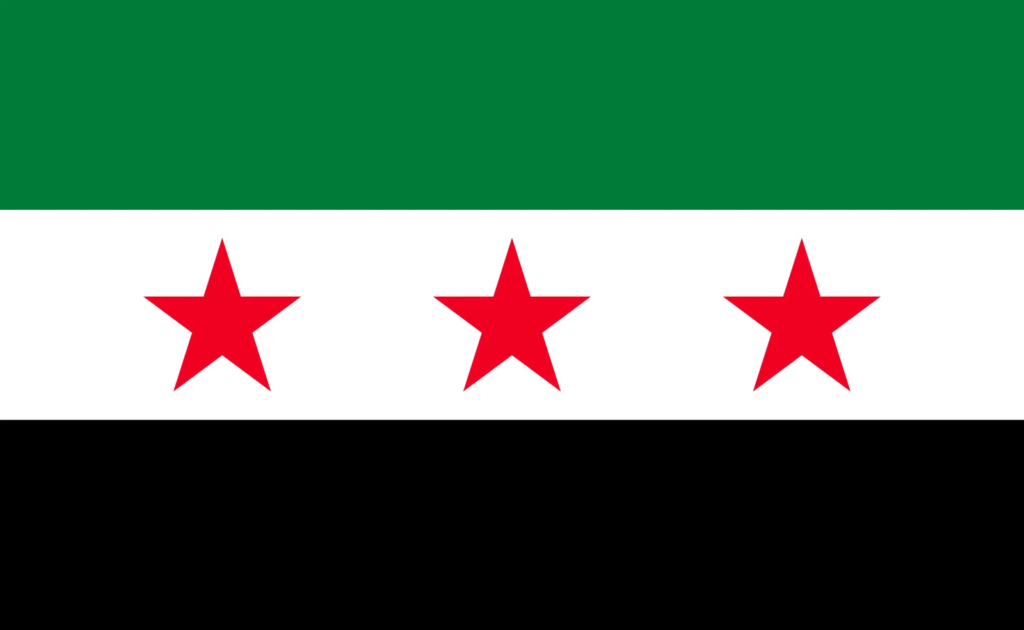
In a significant diplomatic development, Ukrainian President Volodymyr Zelensky and Turkish Foreign Minister Hakan Fidan have arrived in Damascus today for high-level talks with Syrian President Ahmed al-Sharaa. The trilateral meeting marks Zelensky’s first visit to Syria and signals growing international engagement with the post-Assad government in Damascus.
According to reports, the discussions are expected to cover bilateral relations, regional security issues, and broader Middle East stability amid ongoing conflicts. Turkish sources indicate the visit focuses on strengthening ties and addressing shared concerns in a volatile region.
Background on the Key Figures
- Volodymyr Zelensky: The Ukrainian leader, who has been actively seeking international support for his country’s defense against Russia, arrives in Damascus as Ukraine continues efforts to build new diplomatic partnerships. Ukraine and Syria have recently restored diplomatic relations following the fall of the Assad regime.
- Hakan Fidan: Turkey’s longtime Foreign Minister and a key architect of Ankara’s Syria policy, Fidan has made multiple visits to Damascus in recent months. Turkey maintains strong influence in northern Syria and has been deeply involved in shaping the country’s transition.
- Ahmed al-Sharaa: The Syrian president, formerly known as a leader in the opposition Hayat Tahrir al-Sham (HTS), assumed power after the rapid collapse of Bashar al-Assad’s regime. He has been working to consolidate authority, rebuild institutions, and normalize relations with regional and global actors.
Context of the Visit
Syria remains in a delicate transition phase following years of civil war. The new administration under al-Sharaa is navigating challenges including reconstruction, minority rights, the status of Kurdish groups, sanctions relief, and security threats from various actors, including Israeli strikes in the region.
Turkey has played a pivotal role in post-Assad Syria, maintaining military presence in certain areas and pushing for the integration of opposition factions. Ukraine’s involvement appears linked to defense cooperation and exploring new alliances, especially as Zelensky seeks diversified partnerships beyond traditional Western support.
The trilateral format — Ukraine, Turkey, and Syria — is notable given Turkey’s mediation experience in conflicts and its strategic position bridging Europe, the Middle East, and the Black Sea region.
Potential Agenda Items
While official details remain limited, analysts expect discussions to include:
- Regional security and efforts to reduce tensions in the Middle East.
- Defense and military cooperation, particularly in light of ongoing wars affecting global stability.
- Economic ties, reconstruction opportunities in Syria, and potential trade or energy deals.
- The broader impact of conflicts in Ukraine and the Middle East on international relations.
Turkey has previously emphasized the need for a stable, unified Syria free from terrorist threats and has advocated for the removal of certain international sanctions to aid recovery.
Reactions and Implications
The meeting comes at a time of heightened global tensions, including the ongoing U.S.-Iran standoff over the Strait of Hormuz. It underscores how post-Assad Syria is becoming a new arena for diplomatic maneuvering among middle powers.
Supporters view the visit as a positive step toward stabilizing Syria and fostering dialogue. Critics may raise concerns about the human rights record of the new Syrian leadership and the complexities of balancing interests among Ukraine, Turkey, and local Syrian factions.
Reflecto News Analysis
This trilateral summit reflects the shifting geopolitics of the Middle East after the Assad era. Zelensky’s presence highlights Ukraine’s determination to expand its diplomatic footprint, while Turkey continues to assert itself as a key player in Syrian affairs. For President al-Sharaa, hosting such high-profile visitors helps legitimize his government on the international stage.
Whether the talks yield concrete outcomes on security guarantees, economic cooperation, or conflict mediation remains to be seen. In a world grappling with multiple overlapping crises, such engagements could open new channels for de-escalation and reconstruction.
This is a developing story. Reflecto News will provide updates as more details emerge from Damascus regarding the outcomes of the meetings.
Questions people ask
What is China's current share of global manufacturing?
China now accounts for twenty eight percent of global manufacturing. This industrial output exceeds the combined manufacturing production of the United States, Japan, and Germany, making China the leading global industrial power according to recent reports.
Why were Andrew Tate and Tristan Tate arrested in Miami?
Andrew Tate and his brother Tristan Tate were taken into custody in Miami by the United States Marshals Service. They face thirty eight new charges in the United Kingdom, including rape and child pornography offences, and prosecutors are seeking their extradition.
What warning did Moscow issue about oil prices?
Kirill Dmitriev, the Chief Executive of the Russian Direct Investment Fund, warned that a tsunami of skyrocketing oil prices is approaching. Moscow describes this potential energy shock as a major threat to global markets.
What political shift is projected for Benjamin Netanyahu's coalition?
Political polls project that Prime Minister Benjamin Netanyahu's coalition is on track to lose its majority in the upcoming October election. This projection indicates a potential political shift in Jerusalem.
Why did a Russian military aircraft land in Tehran?
A Russian airborne command aircraft, widely known as a doomsday plane, landed in Tehran. The arrival of the aircraft represents a high stakes show of support from Russia for Iran during a period of heightened regional tensions.
What did President Masoud Pezeshkian claim about the United States and Israel?
Iranian President Masoud Pezeshkian claimed that the United States and Israel failed in a forty eight hour plan to topple the Iranian government. He made these statements during a televised address marking two years since his inauguration.