Reflecto News is an online news platform covering major international political events, global economic developments, and security conflicts. The site provides updates on topics such as Chinese manufacturing dominance, Middle Eastern political tensions, and high profile legal arrests. Readers can access current articles organized by categories like World News, Iran, and USA.
Reflecto News
Detailed analysis of the evolving US-Iran ceasefire diplomacy and upcoming negotiations
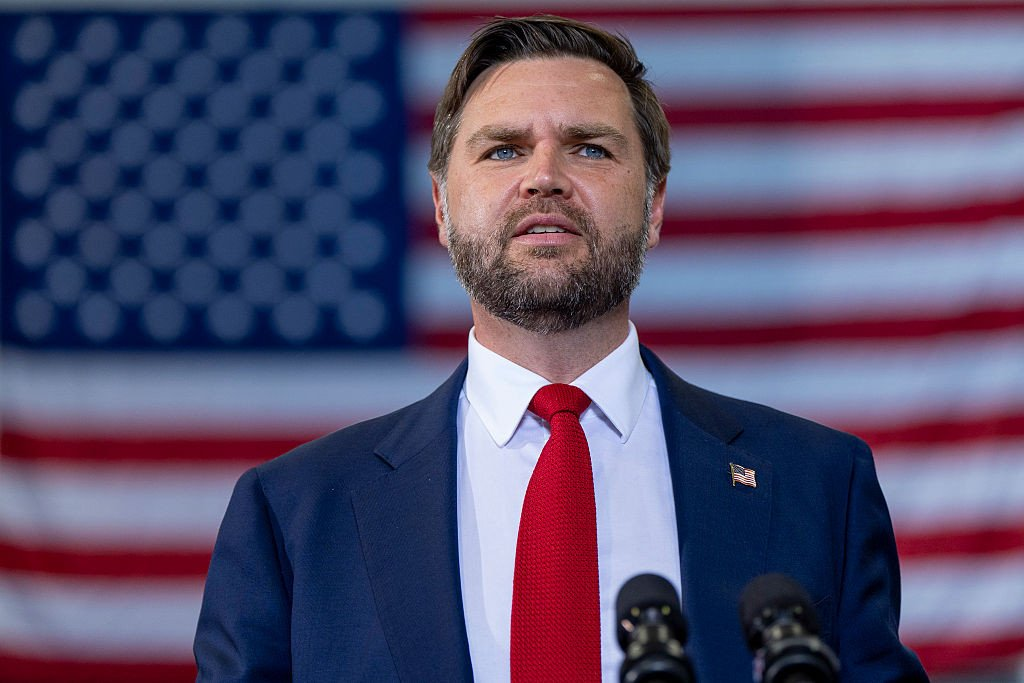
The United States is preparing for direct, in-person negotiations with Iran in Islamabad, Pakistan, with Vice President JD Vance expected to play a prominent role, according to CNN citing US administration officials. The high-level US delegation is also likely to include special envoy Steve Witkoff and Jared Kushner, President Donald Trump’s son-in-law, as the two-week ceasefire provides a narrow window to seek a permanent resolution to the conflict.
Pakistani Prime Minister Shehbaz Sharif has invited both delegations to Islamabad, with talks potentially beginning as early as Friday. Vance’s current foreign schedule, which includes a stop in Hungary, may be adjusted to accommodate the high-stakes meeting.
Background on the Ceasefire and Negotiation Push
The two-week ceasefire, announced after intense backchannel efforts, centers on the US suspending offensive operations against Iran in exchange for Tehran allowing safe, coordinated commercial shipping through the Strait of Hormuz — a critical global oil transit route handling approximately 20% of worldwide supplies.
President Trump has hailed the development as “a big day for world peace” and a potential gateway to a “Golden Age of the Middle East,” emphasizing reconstruction opportunities and economic benefits. However, the truce faces immediate challenges: no agreed start time, continued missile exchanges between Iran and Israel, and Israeli Prime Minister Benjamin Netanyahu’s clarification that the pause “does not include Lebanon.”
High-Level US Delegation and Iran’s Preferences
CNN reports indicate that Iran has expressed a preference for negotiating directly with Vice President JD Vance rather than other envoys, citing a “deficit of trust” with earlier intermediaries. Trump has publicly confirmed that Vance, along with Secretary of State Marco Rubio, is involved in leading the negotiations.
The expected US team — Vance, Witkoff, and Kushner — underscores the administration’s commitment to a robust diplomatic push during the ceasefire period. Pakistani mediators, including Army Chief Field Marshal Asim Munir, have been in regular contact with Vance and Iranian officials to facilitate the process.
Core Issues on the Table
Negotiations will focus on transforming the temporary ceasefire into a lasting agreement. Key US demands, conveyed to allies including Israel, include:
- Removal of all nuclear material from Iran.
- Complete end to uranium enrichment activities.
- Significant curbs or elimination of Iran’s ballistic missile program.
These positions contrast with Iran’s 10-point proposal, which seeks full lifting of sanctions, recognition of its right to peaceful uranium enrichment, security guarantees, and controlled sovereignty over the Strait of Hormuz. The US has described Iran’s plan as a “workable basis” for discussion but has explicitly rejected claims of full acceptance.
Pakistan’s Central Mediation Role
Pakistan has emerged as the primary facilitator, with Prime Minister Sharif actively hosting communications and offering Islamabad as a neutral venue. Pakistani officials have engaged both sides intensively, helping bridge gaps that led to the ceasefire announcement. China has also played a supportive role, with President Trump and AP reports noting Beijing’s encouragement of Iran to pursue de-escalation.
Ongoing Military and Regional Situation
- The US has halted offensive strikes on Iran but maintains defensive readiness.
- Iran continues limited missile activity toward Israel.
- Israel sustains operations against Iranian targets and Hezbollah in Lebanon, which Netanyahu has explicitly excluded from the ceasefire.
- Gradual reopening of the Strait of Hormuz is anticipated if the truce holds, with potential US assistance in managing increased maritime traffic.
Trump’s Optimism and Broader Vision
President Trump has expressed strong confidence in a positive outcome, stating that both sides “have had enough” and that the US will help with reconstruction and economic normalization in the region. Global markets have shown cautious relief, with oil prices easing on hopes of resumed shipping.
What Happens Next?
The in-person talks in Islamabad represent a critical test for the ceasefire. Success could lead to extensions of the two-week pause or a comprehensive permanent deal addressing nuclear concerns, sanctions, missiles, and regional security — including the Lebanon front. Failure or violations risk rapid escalation once the window closes.
Reflecto News will continue to monitor developments closely, including any official statements from the delegations, shifts in military activity, and economic impacts.
FAQs: US-Iran In-Person Talks in Islamabad and JD Vance’s Role
Q1: Will Vice President JD Vance attend the talks with Iran?
Yes, according to CNN and multiple reports. Vance is expected to be part of a high-level US delegation that may also include Steve Witkoff and Jared Kushner for in-person negotiations in Islamabad.
Q2: Where and when will the talks take place?
The negotiations are scheduled in Islamabad, Pakistan, with Pakistani mediation. Talks could begin as early as Friday, though exact timing remains fluid.
Q3: Does the ceasefire include Lebanon?
No. Israeli Prime Minister Netanyahu has stated clearly that the two-week pause does not cover operations against Hezbollah in Lebanon.
Q4: What are the main sticking points in the negotiations?
Major differences remain on Iran’s nuclear program (US demands zero enrichment and material removal), ballistic missiles, sanctions relief, and regional security guarantees.
Q5: What role has Pakistan played?
Pakistan has been the lead mediator, facilitating backchannel communications, relaying proposals, and offering to host the in-person talks in Islamabad.
Q6: How does China fit into the diplomacy?
President Trump and AP reports indicate China encouraged Iran to pursue the ceasefire, leveraging its economic ties to promote de-escalation and protect energy interests.
This high-level diplomatic engagement marks a significant step in efforts to end a conflict that has disrupted the Middle East and global energy markets. Reflecto News remains your trusted source for accurate, professional updates as talks progress. Stay tuned for further developments.
Questions people ask
What is China's current share of global manufacturing?
China now accounts for twenty eight percent of global manufacturing. This industrial output exceeds the combined manufacturing production of the United States, Japan, and Germany, making China the leading global industrial power according to recent reports.
Why were Andrew Tate and Tristan Tate arrested in Miami?
Andrew Tate and his brother Tristan Tate were taken into custody in Miami by the United States Marshals Service. They face thirty eight new charges in the United Kingdom, including rape and child pornography offences, and prosecutors are seeking their extradition.
What warning did Moscow issue about oil prices?
Kirill Dmitriev, the Chief Executive of the Russian Direct Investment Fund, warned that a tsunami of skyrocketing oil prices is approaching. Moscow describes this potential energy shock as a major threat to global markets.
What political shift is projected for Benjamin Netanyahu's coalition?
Political polls project that Prime Minister Benjamin Netanyahu's coalition is on track to lose its majority in the upcoming October election. This projection indicates a potential political shift in Jerusalem.
Why did a Russian military aircraft land in Tehran?
A Russian airborne command aircraft, widely known as a doomsday plane, landed in Tehran. The arrival of the aircraft represents a high stakes show of support from Russia for Iran during a period of heightened regional tensions.
What did President Masoud Pezeshkian claim about the United States and Israel?
Iranian President Masoud Pezeshkian claimed that the United States and Israel failed in a forty eight hour plan to topple the Iranian government. He made these statements during a televised address marking two years since his inauguration.