Reflecto News is an online news platform covering major international political events, global economic developments, and security conflicts. The site provides updates on topics such as Chinese manufacturing dominance, Middle Eastern political tensions, and high profile legal arrests. Readers can access current articles organized by categories like World News, Iran, and USA.
Reflecto News Desk
Kyiv / Moscow – April 16, 2026
Ukrainian forces have struck a Liberian-flagged oil tanker in Russian territorial waters, injuring the Turkish captain and escalating tensions in the Black Sea region. The attack marks a significant development in Ukraine’s long-range strike campaign against Russian energy infrastructure and maritime assets.
The incident occurred amid ongoing Russian military pressure on Ukraine and comes as global energy markets are already under severe strain from the parallel crisis in the Strait of Hormuz.
Details of the Strike
According to preliminary reports, Ukrainian forces used a sea drone or missile to target the tanker while it was operating in Russian waters. The Turkish captain sustained injuries and has been evacuated for medical treatment. There are no immediate reports of fatalities or major oil spill, though authorities are monitoring the situation for environmental impact.
The vessel was reportedly carrying a cargo of Russian oil or petroleum products. Ukrainian officials have not yet issued an official statement, but such strikes are typically part of Kyiv’s strategy to disrupt Russia’s war economy by targeting its energy export capabilities.
Background: Ukraine’s Maritime Campaign Against Russia
Since Russia’s full-scale invasion in 2022, Ukraine has developed advanced capabilities to strike deep into Russian territory and waters using drones, missiles, and special operations. Previous attacks on the Crimean Bridge, Sevastopol port, and Russian oil refineries have demonstrated Kyiv’s growing reach.
The Black Sea remains a critical theater, with both sides conducting strikes on maritime targets. Russia has repeatedly accused Ukraine of terrorism on international shipping routes, while Ukraine maintains that it targets only assets supporting Russia’s war machine.
This latest strike on a foreign-flagged vessel in Russian waters raises concerns about potential escalation and risks to neutral shipping.
International Reactions and Diplomatic Concerns
- Turkey: The injury to a Turkish captain is likely to draw a strong response from Ankara, which maintains complex relations with both Russia and Ukraine.
- Liberia: As a flag-of-convenience state, Liberia is expected to coordinate with international maritime authorities.
- Russia: Moscow has condemned the attack as a “terrorist act” and vowed retaliation.
- Global Shipping: The incident may further increase insurance premiums and hesitation among commercial operators navigating the Black Sea.
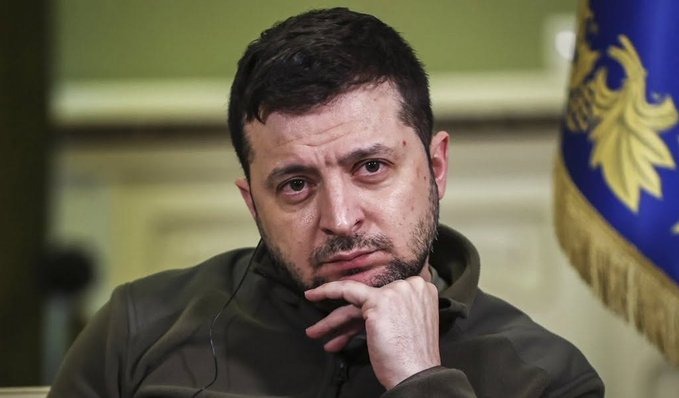
The award of the Four Freedoms Award to President Zelensky and the Ukrainian people earlier today adds symbolic weight to Ukraine’s continued resistance, even as its military actions draw criticism.
Broader Context: Overlapping Global Crises
The strike occurs while the world grapples with multiple energy-related disruptions:
- The U.S.-Iran conflict has virtually halted shipping through the Strait of Hormuz.
- The IEA warned Europe could face jet fuel shortages in six weeks.
- Russia recently offered India unlimited oil supplies.
- Australia secured an emergency diesel deal with Brunei and South Korea.
These developments highlight how energy infrastructure and maritime routes have become primary battlegrounds in current geopolitical conflicts.
Implications for the Russia-Ukraine War and Global Energy Security
This attack could:
- Prompt Russia to intensify its own strikes on Ukrainian energy facilities and ports.
- Complicate international efforts to stabilize global oil markets already reeling from the Hormuz crisis.
- Increase risks to neutral vessels and crews, potentially leading to a broader maritime security crisis.
- Affect diplomatic initiatives aimed at negotiating peace or ceasefires.
FAQs on the Ukraine Strike on Russian Oil Tanker
Q1: What happened in the incident?
A: Ukrainian forces struck a Liberian-flagged oil tanker in Russian waters, injuring the Turkish captain. The vessel was reportedly carrying Russian oil products.
Q2: What type of weapon was used?
A: Reports indicate a sea drone or long-range missile was involved, consistent with Ukraine’s recent maritime strike tactics.
Q3: Why is this strike significant?
A: It demonstrates Ukraine’s ability to hit targets inside Russian waters and directly impacts Russia’s energy export operations, a key source of revenue for the war.
Q4: How has Russia responded?
A: Russian officials have strongly condemned the attack and promised a retaliatory response.
Q5: What are the risks to international shipping?
A: Increased danger to neutral-flagged vessels, higher insurance costs, and potential environmental damage if major spills occur.
Q6: How does this connect to the global energy crisis?
A: It adds to existing pressures on oil supplies already disrupted by the Strait of Hormuz mining and ongoing conflicts.
Looking Ahead
As details continue to emerge, this incident is likely to heighten tensions in the Black Sea and test international maritime law. It also underscores the interconnected nature of today’s global conflicts — from the Middle East to Eastern Europe — and their collective impact on energy security.
Reflecto News will provide updates as more information becomes available from Ukrainian, Russian, and international sources.
Stay tuned to Reflecto News for real-time developments, expert analysis, and comprehensive coverage of the Russia-Ukraine war and global geopolitical crises.
This article is based on initial reports and will be updated as more verified information emerges. All details are cross-checked with available sources as of April 16, 2026.
Questions people ask
What is China's current share of global manufacturing?
China now accounts for twenty eight percent of global manufacturing. This industrial output exceeds the combined manufacturing production of the United States, Japan, and Germany, making China the leading global industrial power according to recent reports.
Why were Andrew Tate and Tristan Tate arrested in Miami?
Andrew Tate and his brother Tristan Tate were taken into custody in Miami by the United States Marshals Service. They face thirty eight new charges in the United Kingdom, including rape and child pornography offences, and prosecutors are seeking their extradition.
What warning did Moscow issue about oil prices?
Kirill Dmitriev, the Chief Executive of the Russian Direct Investment Fund, warned that a tsunami of skyrocketing oil prices is approaching. Moscow describes this potential energy shock as a major threat to global markets.
What political shift is projected for Benjamin Netanyahu's coalition?
Political polls project that Prime Minister Benjamin Netanyahu's coalition is on track to lose its majority in the upcoming October election. This projection indicates a potential political shift in Jerusalem.
Why did a Russian military aircraft land in Tehran?
A Russian airborne command aircraft, widely known as a doomsday plane, landed in Tehran. The arrival of the aircraft represents a high stakes show of support from Russia for Iran during a period of heightened regional tensions.
What did President Masoud Pezeshkian claim about the United States and Israel?
Iranian President Masoud Pezeshkian claimed that the United States and Israel failed in a forty eight hour plan to topple the Iranian government. He made these statements during a televised address marking two years since his inauguration.