Reflecto News is an online news platform covering major international political events, global economic developments, and security conflicts. The site provides updates on topics such as Chinese manufacturing dominance, Middle Eastern political tensions, and high profile legal arrests. Readers can access current articles organized by categories like World News, Iran, and USA.
Published on Reflecto News | World News | Diplomacy & Geopolitics
A senior UK government minister has conceded that the Iran war has “undoubtedly strained” the relationship between London and the Trump administration, confirming what diplomatic observers have noted for weeks as tensions between the two traditional allies have spilled into public view. The acknowledgment comes as the UK charts a more independent course on the world stage, with Prime Minister Keir Starmer prioritizing closer European ties and rejecting calls to join offensive US military action .
The admission follows a dramatic deterioration in the so-called “special relationship” over the past six weeks, during which President Donald Trump has launched a series of personal attacks on Starmer while demanding greater British support for the war effort .
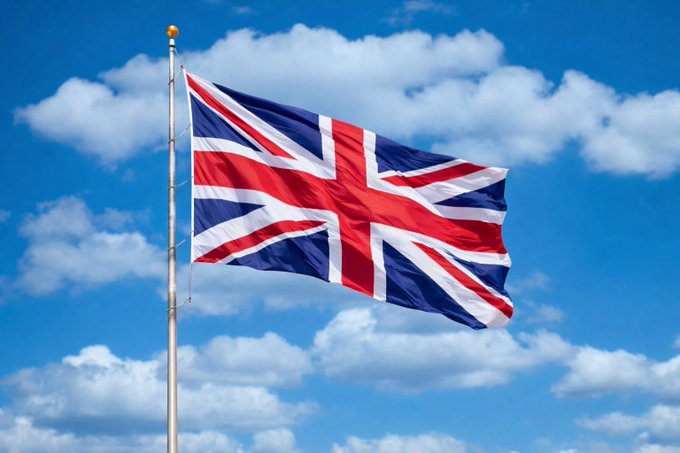
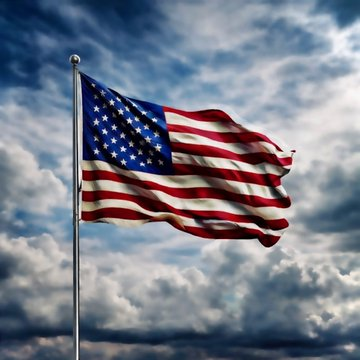
A Relationship ‘Undoubtedly Strained’
The minister’s frank assessment captures the depth of the current rift. While Downing Street has often downplayed the severity of the disagreements, officials concede that trust has been eroded.
“The Iran war has undoubtedly strained our relationship with the Trump administration. The UK will always stand by its principles, even when that creates friction with our closest ally.” — UK Government Minister
This friction has been on full display in recent weeks. Trump has publicly criticized Starmer for refusing to expand Britain’s role in the conflict, calling him “no Winston Churchill” and mocking UK military capabilities . The president has even impersonated Starmer’s voice at a news conference, according to reports .
One former senior British official captured the damage to the relationship, telling the Financial Times: “Starmer is getting singled out among European leaders for a particular battering by Trump over Iran” .
The Source of the Strain: Refusing to Join the War
The primary source of tension has been Starmer’s firm refusal to involve the UK in offensive military operations against Iran.
Key points of disagreement:
- Basing Rights: Starmer initially denied a US request to use British bases for initial strikes on Iran, though he later agreed to allow what he calls “defensive missions” .
- Offensive Operations: The UK has consistently ruled out joining offensive action, with Education Secretary Bridget Phillipson stating that such an approach is “not language or an approach that this government would be taking” .
- Iran War stance: Starmer has repeatedly declared that the conflict is “not our war” and that Britain will not be “dragged into it” .
Trump has demanded that NATO allies do more to support the war effort, even threatening to withdraw the United States from the alliance over what he perceives as inadequate support . The White House has also discussed plans to “audit” allies, including the UK, over their “failure” to support the war, with potential troop withdrawals being considered .
A Strategic Pivot: From Washington to Europe
The strain with Washington has accelerated a broader shift in British foreign policy. Starmer has explicitly called for closer economic and defense ties with Europe, arguing that the global instability caused by the Iran war makes such a pivot necessary .
“It is increasingly clear that as the world continues down this volatile path, our long-term national interest requires closer partnership with our allies in Europe.” — Prime Minister Keir Starmer
The prime minister has said that building stronger relations with Europe will be at the center of a summit with the European Union in the summer, as he warned the consequences of the Iran war would last for a generation .
UK’s evolving foreign policy approach includes:
- A diplomatic pivot toward Europe and away from sole reliance on the US
- Increased defence spending and pursuit of energy independence
- A leading role in convening allies to secure the Strait of Hormuz
Yet this shift is not without limits. While Starmer is seeking a reset in relations with the EU, he has ruled out rejoining the bloc’s customs union or single market, acknowledging that Brexit will continue to shape the contours of British policy .
Diverging Values and Public Disagreements
Beyond the policy disputes, the rift reflects a deeper divergence in values and approach. Trump’s threats to destroy Iranian civilian infrastructure—including warnings that “a whole civilisation will die tonight” and that every bridge and power plant in Iran could be decimated—have been met with sharp condemnation from London .
“Let me be really clear about this. They are not words I would use—ever use—because I come at this with our British values and principles.” — Prime Minister Keir Starmer
Starmer has also taken issue with Trump’s broader conduct, admitting he is “fed up” with the fact that UK families see their energy bills rise “because of the actions of Putin or Trump” . The prime minister used an interview to state his view that Israeli operations in Lebanon are “wrong” and “should stop,” a position that has also put him at odds with the White House’s more accommodating stance toward Israel .
Health minister Wes Streeting went further, describing some of Trump’s social media posts as “bold, incendiary, provocative, outrageous” and “quite extraordinary” .
Working Together Despite the Strain
Despite the public disagreements, cooperation between the two nations continues on multiple fronts. The UK has allowed US forces to use British bases for defensive operations, and the two countries have coordinated on efforts to secure the Strait of Hormuz .
Starmer has also maintained direct communication with Trump. The two leaders spoke on the evening of April 9 to discuss a “practical plan” to get shipping moving again through the Strait of Hormuz . According to a Downing Street spokesperson, they “agreed that now there is a ceasefire in place and agreement to open the strait, we are at the next stage of finding a resolution” .
Areas of continued cooperation:
- US use of UK bases for defensive military operations
- Coordination on maritime security in the Strait of Hormuz
- Intelligence sharing and diplomatic dialogue
Yet even as the two governments work together, the underlying tensions remain. UK diplomats have reported that access in Washington has narrowed, with a handful of US officials increasingly asked to step out of meetings when sensitive matters are discussed .
The relationship between the two countries, while still functioning, has clearly entered a more difficult phase. As one former senior British official put it, there is “clearly damage to trust” .
What Comes Next
As the fragile ceasefire between the US and Iran holds—for now—the UK is looking to carve out a distinct role for itself in the post-war order.
| Area | UK Position | Likely Impact on US-UK Ties |
|---|---|---|
| Military action | Defensive support only | Continued tension |
| Europe ties | Pivot toward EU | Potential further distance from US |
| Hormuz security | Leading multinational effort | Possible cooperation despite strain |
| Defence spending | Increase toward 2.5% of GDP | May ease some US pressure |
Prime Minister Starmer’s team remains reasonably optimistic about the leaders’ ability to work together. “They still have a relationship,” a source said. “It’s in both countries’ interests to work together” . But none deny that the relationship is under significant strain.
King Charles is likely to attempt a delicate repair job during his trip to Washington later this month . Whether that royal diplomacy can help mend the rift—or whether the “special relationship” will continue its slide into a more transactional and occasionally antagonistic partnership—remains to be seen.
Frequently Asked Questions (FAQs)
1. What caused the strain between the UK and US during the Iran war?
The primary source of tension was Prime Minister Keir Starmer’s refusal to involve the UK in offensive military operations against Iran. While the UK allowed US forces to use British bases for defensive missions, it declined to participate in initial strikes or expand its role in the war effort .
2. How has President Trump responded to Starmer’s position?
Trump has launched a series of personal attacks on Starmer, calling him “no Winston Churchill,” mocking UK military capabilities, and even impersonating the prime minister’s voice at a news conference . The president has also threatened to “audit” the UK over its support for the war .
3. Is the UK shifting away from the US toward Europe?
Yes. Starmer has explicitly called for closer economic and defense ties with Europe, arguing that the global instability caused by the Iran war makes such a pivot necessary . However, he has ruled out rejoining the EU’s customs union or single market .
4. Are the UK and US still cooperating despite the strain?
Yes. The UK continues to allow US forces to use British bases for defensive operations, and the two countries have coordinated on efforts to secure the Strait of Hormuz . Intelligence sharing and diplomatic dialogue also continue .
5. What did Starmer say about Trump’s Iran rhetoric?
Starmer said Trump’s threats to destroy Iranian civilian infrastructure are “not words I would use—ever use—because I come at this with our British values and principles” .
6. How has the UK public responded to the government’s position?
Starmer’s stance of staying out of the war appears to be domestically popular. His team sees his record on Iran as strong, with the crisis offering a political opportunity for the prime minister to demonstrate leadership .
7. What is the future of the US-UK relationship?
The relationship is likely to remain strained but functional. Both sides recognize that cooperation is in their mutual interest, but trust has been damaged and the UK is pursuing a more independent foreign policy .
Stay informed with Reflecto News – Your trusted source for breaking diplomatic and geopolitical intelligence. Subscribe for real-time updates on the US-UK relationship, the Iran war aftermath, and shifting global alliances.
Questions people ask
What is China's current share of global manufacturing?
China now accounts for twenty eight percent of global manufacturing. This industrial output exceeds the combined manufacturing production of the United States, Japan, and Germany, making China the leading global industrial power according to recent reports.
Why were Andrew Tate and Tristan Tate arrested in Miami?
Andrew Tate and his brother Tristan Tate were taken into custody in Miami by the United States Marshals Service. They face thirty eight new charges in the United Kingdom, including rape and child pornography offences, and prosecutors are seeking their extradition.
What warning did Moscow issue about oil prices?
Kirill Dmitriev, the Chief Executive of the Russian Direct Investment Fund, warned that a tsunami of skyrocketing oil prices is approaching. Moscow describes this potential energy shock as a major threat to global markets.
What political shift is projected for Benjamin Netanyahu's coalition?
Political polls project that Prime Minister Benjamin Netanyahu's coalition is on track to lose its majority in the upcoming October election. This projection indicates a potential political shift in Jerusalem.
Why did a Russian military aircraft land in Tehran?
A Russian airborne command aircraft, widely known as a doomsday plane, landed in Tehran. The arrival of the aircraft represents a high stakes show of support from Russia for Iran during a period of heightened regional tensions.
What did President Masoud Pezeshkian claim about the United States and Israel?
Iranian President Masoud Pezeshkian claimed that the United States and Israel failed in a forty eight hour plan to topple the Iranian government. He made these statements during a televised address marking two years since his inauguration.