Reflecto News is an online news platform covering major international political events, global economic developments, and security conflicts. The site provides updates on topics such as Chinese manufacturing dominance, Middle Eastern political tensions, and high profile legal arrests. Readers can access current articles organized by categories like World News, Iran, and USA.
Published on Reflecto News | World News | Defense & National Security
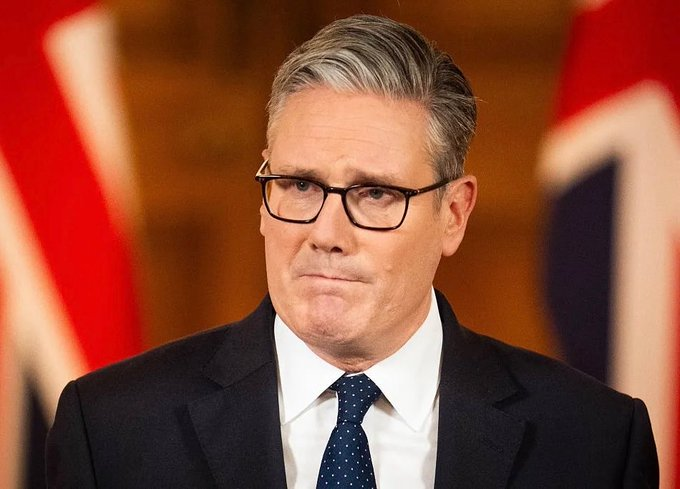
In a landmark shift of national preparedness, the United Kingdom has officially announced it is developing a sweeping new plan to ready the entire nation for the transition to war. Air Chief Marshal Sir Richard Knighton, the Chief of the Defence Staff, confirmed the initiative, which revives the historic “Government War Book” framework to coordinate the military, police, hospitals, industry, and civilians in a major conflict .
The announcement comes amid heightened geopolitical tensions and a stark admission from defense chiefs that the UK currently lacks a comprehensive plan to defend itself in a full-scale war . The new strategy represents the most significant overhaul of British civil defense preparedness since the end of the Cold War.
A Historic Framework Revived: The ‘Government War Book’
The original Government War Book system was conceived during the First World War and maintained throughout the Cold War, making Britain one of the world’s best-prepared nations for conflict . The collection of top-secret documents was regularly rehearsed and updated, containing detailed plans for mobilizing not just military forces but also civilians and industry.
A surviving 1976 copy consisted of hand-typed pages bound together by string, containing comprehensive checklists for shutting schools, clearing hospitals, rationing food, and even storing national treasures during a crisis . The system was expensive to maintain and, after the Cold War ended, was quietly abandoned by the early 2000s .
“I think that’s right. NATO describes the transition to conflict as a military component, but it also has a civilian component.” — Air Chief Marshal Sir Richard Knighton, Chief of the Defence Staff, confirming the revival of the war book
The modernized version will be adapted for “a modern context, with a modern society, with modern infrastructure” . The Cabinet Office is leading the cross-government effort, working with all other departments to produce the updated framework .
The Admission: ‘No Plan to Defend Britain’
The urgency of the new plan stems from a startling admission made by Sir Richard Knighton himself just three months prior. In January 2026, while facing questioning from Members of Parliament, the defence chief confirmed that the UK currently possesses no comprehensive plan to defend the nation in the event of an all-out war .
The admission included a complete lack of strategy for mobilizing the National Health Service (NHS) to handle mass casualties. Knighton attributed this critical vulnerability to the “peace dividend” enjoyed by successive governments since the end of the Cold War, which saw funding priorities shift away from defense toward welfare and health .
| Deficiency | Details |
|---|---|
| Comprehensive war plan | None exists |
| NHS mobilization strategy | No plan for mass casualty response |
| Civil defense framework | Abandoned since early 2000s |
| Reserve mobilization | Outdated legal thresholds |
*Sources: Okay News, UK Defence Chief testimony *
While the military component of a new defense plan is expected to be finalized by the Ministry of Defence later this year, the broader national strategy—including the mobilization of civilian doctors and nurses—is currently being overseen by the Cabinet Office and may take another 12 to 18 months to develop .
What the New Plan Entails
The revived war book framework will address multiple dimensions of national preparedness:
Critical Infrastructure Protection
Ensuring critical national infrastructure—including power stations, water supply, and transport networks—can withstand not just natural disasters but also hostile action from adversaries. “Think about the threat of action from an adversary that is above the threshold of war, not just a hybrid threat,” Knighton said, emphasizing the need to build resilience into infrastructure renewal projects .
Public Education and Civilian Role
Civilians may need to play a more active role in supporting national defense. “That requires us to educate ourselves and help the population understand some of those threats and help them understand what they can do to support the nation and potentially support the armed forces,” Knighton stated .
Household Preparedness
The government has already established a “Prepare” website offering guidance for households to be ready for emergencies. Recommended stockpile items include :
| Category | Items |
|---|---|
| Lighting | Battery or wind-up torch (safer than candles), spare batteries |
| Power | Portable power bank for phone charging |
| Communication | Battery or wind-up radio |
| Medical | First aid kit (plasters, bandages, thermometer, antiseptic, eyewash, sterile dressings, gloves, tweezers) |
| Hygiene | Hand sanitizer, wet wipes |
| Water | Bottled water (2.5-3 liters per person per day minimum; 10 liters for hygiene and cooking) |
| Food | Non-perishable items that don’t need cooking (tinned meat, fruit, vegetables) with tin opener |
| Baby supplies | Nappies, ready-to-feed baby formula |
Reserve Forces Reform
The government is implementing new rules to make it easier to mobilize reservists. Key changes include :
- Raising the maximum recall age for other ranks from 55 to 65, aligning them more closely with officers
- Lowering the mobilization threshold from “national danger, great emergency or attack in the UK” to “warlike preparations”
- Updating the Armed Forces Bill 2026 to improve recall flexibility
These changes affect the strategic reserve, estimated to have about 95,000 members .
The Financial Challenge: A £28 Billion Shortfall
The ambitious preparedness plan faces significant financial hurdles. Sir Richard Knighton has conceded that the current budget is insufficient to cover the Ministry of Defence’s existing equipment program alongside the new ambitions set out in the recent Strategic Defence Review .
While Knighton refused to explicitly confirm reports of a £28 billion “black hole” in the defense budget over the next four years, he acknowledged that doing “everything” currently planned without additional funding is impossible. Slowing down or reducing specific military programs are options now being considered to balance the books .
| Financial Commitment | Details |
|---|---|
| Current defense spending | Just over 2% of GDP |
| Target by 2027 | 2.5% of GDP (additional £6bn/year) |
| Target by 2035 | 3.5% of GDP |
| NATO target discussed | 5% of GDP by 2035 |
*Sources: BBC, Sky News, multiple reports *
The crucial 10-year Defence Investment Plan, which outlines what weapons and capabilities the Ministry of Defence will procure, was due last autumn but remains unpublished. Defence Secretary John Healey has not confirmed whether it will be released by this summer .
Public and Political Reactions
The announcement has sparked significant debate among political and military figures.
Support for Public Awareness
Former Defence Secretary Dame Penny Mordaunt has urged the government to be “honest” with the nation about the new threat of war and to equip Britons with the skills needed to keep the country running if embroiled in conflict. “Britons have incredible skills and an attitude to step up and help. We should be equipping them to do that in the wake of an attack,” she said .
Calls for Increased Defense Spending
Shadow Defence Secretary James Cartlidge warned that the scale of threat post-Ukraine is “real and unprecedented.” He stated: “We need a total focus across Government on rearmament and war readiness, because the best way to avoid war is to deter it from happening in the first place” .
Former Chief of the General Staff Lord Dannatt called for “open and honest” communication with the public about security threats, including practical steps and preparations people should take .
Dissenting Views
However, former Chief of the Defence Staff Lord Richards cautioned against focusing efforts on how Britons can survive a future war. “Our focus should be on deterring war, not preparing to survive one. In a thermonuclear era, this is a deadly fools’ errand,” he argued .
The Threat Environment
The preparedness push is driven by a deteriorating global security environment:
Russia: The ongoing war in Ukraine and aggressive Russian posture in Europe have heightened fears of a wider conflict. Russia’s attacks on Ukraine have brought war to a European nation in the 21st century .
Iran: Former Defence Secretary Ben Wallace warned that the UK is currently unable to defend against long-range Iranian missiles, accusing government ministers of downplaying the threat amid the ongoing conflict between Iran, the US, and Israel .
Shadow Fleet Operations: The UK has threatened to seize ships that are part of Russia’s murky “shadow fleet,” with Knighton revealing that the mere knowledge of London’s readiness is already forcing Moscow to escort or divert vessels away from UK waters .
What Comes Next
The development of the new war book framework will unfold over several phases:
| Timeline | Milestone |
|---|---|
| Immediate | Cabinet Office-led cross-government coordination begins |
| 2026 | Military component expected to be finalized |
| 12-18 months | Broader national strategy (NHS, police, industry mobilization) expected |
| 2027 | Reserve forces reforms take effect (if passed) |
As the UK revives its Cold War-era preparedness framework, the message from the nation’s top military leadership is clear: three decades of relative peace can no longer be assumed. The Government War Book is being pulled off the shelf, dusted off, and rewritten for a new era of global instability.
Frequently Asked Questions (FAQs)
1. What is the “Government War Book” being revived by the UK?
The Government War Book was a Cold War-era framework of top-secret documents that outlined how Britain would mobilize society in a crisis—from deploying armed forces to shutting schools, clearing hospitals, rationing food, and storing national treasures. It was abandoned in the early 2000s but is now being revived and modernized .
2. Why is the UK preparing this plan now?
Defense chiefs have admitted that the UK currently has “no plan” to defend itself in a full-scale war . Heightened geopolitical tensions—including Russia’s war in Ukraine, Iranian missile threats, and global instability—have prompted the government to rebuild national preparedness from the ground up .
3. Will civilians be expected to participate in national defense?
Yes. Air Chief Marshal Sir Richard Knighton stated that civilians may need to play a more active role in supporting national defense. The government is working to “educate ourselves and help the population understand some of those threats and help them understand what they can do to support the nation and potentially support the armed forces” .
4. What items should households stockpile?
The government’s “Prepare” website recommends: battery or wind-up torch, portable power bank, battery or wind-up radio, spare batteries, first aid kit, hand sanitizer and wet wipes, bottled water (2.5-3 liters per person per day minimum), non-perishable food, and baby supplies if applicable .
5. Are military reservists being called up?
The government is implementing new rules making it easier to mobilize reservists. Key changes include raising the maximum recall age from 55 to 65 and lowering the threshold for mobilization from “national danger” to “warlike preparations.” These changes affect the strategic reserve of approximately 95,000 members .
6. How much is the UK increasing defense spending?
The UK has pledged to increase defense spending from just over 2% of GDP to 2.5% by 2027 (additional £6bn per year) and to 3.5% by 2035. A NATO target of 5% by 2035 has also been discussed .
7. What is the timeline for the new plan?
The military component is expected later this year. The broader national strategy—including civilian mobilization—may take another 12 to 18 months. The reserve forces reforms are scheduled to take effect in 2027 if passed by Parliament .
8. What threats is the UK most concerned about?
Key threats include Russia’s aggression in Europe, Iranian missile capabilities (which the UK is currently unable to defend against), and hybrid warfare targeting critical infrastructure such as undersea cables and energy supplies .
Stay informed with Reflecto News – Your trusted source for breaking defense and national security intelligence. Subscribe for real-time updates on the UK’s national preparedness plan and global security developments.
Questions people ask
What is China's current share of global manufacturing?
China now accounts for twenty eight percent of global manufacturing. This industrial output exceeds the combined manufacturing production of the United States, Japan, and Germany, making China the leading global industrial power according to recent reports.
Why were Andrew Tate and Tristan Tate arrested in Miami?
Andrew Tate and his brother Tristan Tate were taken into custody in Miami by the United States Marshals Service. They face thirty eight new charges in the United Kingdom, including rape and child pornography offences, and prosecutors are seeking their extradition.
What warning did Moscow issue about oil prices?
Kirill Dmitriev, the Chief Executive of the Russian Direct Investment Fund, warned that a tsunami of skyrocketing oil prices is approaching. Moscow describes this potential energy shock as a major threat to global markets.
What political shift is projected for Benjamin Netanyahu's coalition?
Political polls project that Prime Minister Benjamin Netanyahu's coalition is on track to lose its majority in the upcoming October election. This projection indicates a potential political shift in Jerusalem.
Why did a Russian military aircraft land in Tehran?
A Russian airborne command aircraft, widely known as a doomsday plane, landed in Tehran. The arrival of the aircraft represents a high stakes show of support from Russia for Iran during a period of heightened regional tensions.
What did President Masoud Pezeshkian claim about the United States and Israel?
Iranian President Masoud Pezeshkian claimed that the United States and Israel failed in a forty eight hour plan to topple the Iranian government. He made these statements during a televised address marking two years since his inauguration.