Reflecto News is an online news platform covering major international political events, global economic developments, and security conflicts. The site provides updates on topics such as Chinese manufacturing dominance, Middle Eastern political tensions, and high profile legal arrests. Readers can access current articles organized by categories like World News, Iran, and USA.
Reflecto News Desk
Washington D.C. / Persian Gulf – April 16, 2026
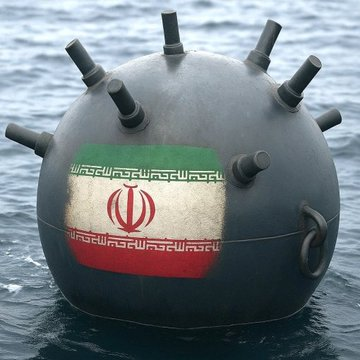
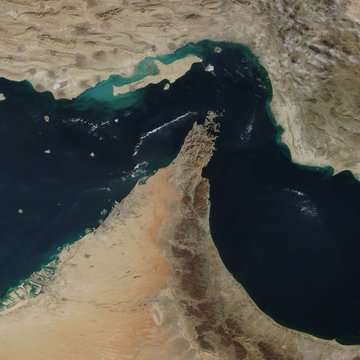
The U.S. Navy is facing significant operational challenges in clearing Iranian-laid mines from the Strait of Hormuz, the world’s most critical energy chokepoint, causing commercial shipping traffic to come to a near standstill. Shipping operators are increasingly refusing to navigate the waterway due to heightened risks, leading to severe disruptions in global oil and gas supplies.
This development underscores the growing military and economic costs of the U.S.-Iran confrontation, even as diplomatic mediation efforts continue through Pakistani channels and other tracks.
Details of the Mine-Clearing Operations
According to defense officials and maritime sources, Iranian forces deployed a large number of naval mines in the narrow Strait of Hormuz in recent weeks as part of asymmetric warfare tactics. The U.S. Navy has deployed specialized mine countermeasures ships, helicopters, and unmanned underwater vehicles, but progress has been slower than anticipated due to the volume of mines, difficult underwater conditions, and ongoing threats from Iranian coastal defenses.
Maritime tracking data shows that tanker and cargo traffic through the strait has dropped by more than 85% in the past 48 hours, with many operators rerouting around the longer and more expensive path via the Cape of Good Hope or simply delaying voyages.
Background: Strategic Importance of the Strait of Hormuz
The Strait of Hormuz connects the Persian Gulf to the Gulf of Oman and handles approximately 20-21% of global oil trade and a significant portion of liquefied natural gas (LNG) shipments. Any prolonged disruption has immediate ripple effects on world energy prices and supply chains.
Iran has a well-documented capability and doctrine to mine the strait in times of conflict, a strategy designed to impose high costs on adversaries by disrupting energy flows to Asia, Europe, and beyond.
Current Impact on Global Shipping and Energy Markets
- Shipping Paralysis: Major tanker companies have issued force majeure notices and advised crews to avoid the area. Insurance premiums for vessels transiting the region have skyrocketed.
- Rising Oil Prices: Brent crude and West Texas Intermediate have surged in response to the virtual shutdown, adding inflationary pressure on global economies already strained by earlier conflict-related disruptions.
- Humanitarian and Economic Fallout: Delays are affecting fuel supplies to dependent nations and increasing costs for consumers worldwide.
The Pentagon’s recent outreach to U.S. automakers like General Motors and Ford for boosted munitions production appears directly linked to the need for sustained operations in this high-intensity environment.
Connection to Broader Diplomatic and Military Efforts
This maritime crisis unfolds as:
- Pakistan’s Army Chief Field Marshal Asim Munir remains in Tehran for high-level mediation to revive U.S.-Iran negotiations.
- President Trump announced direct Israel-Lebanon leader talks scheduled for today.
- Former Secretary of State John Kerry publicly called for urgent negotiations, stating both sides must create “space to reach an agreement.”
- Professor Robert Pape warned the conflict is “metastasizing” with continued troop buildups.
The mine-clearing difficulties highlight the limits of military pressure and reinforce arguments from diplomats like Kerry that a negotiated settlement is essential to restore safe passage and prevent further economic damage.
Implications for Regional Stability and U.S. Policy
The situation poses multiple risks:
- Prolonged disruption could trigger a global energy crisis.
- Increased danger of miscalculation leading to direct naval clashes.
- Political pressure on the Trump administration to balance maximum pressure with practical de-escalation.
- Challenges for Republican lawmakers concerned about midterm impacts from foreign policy distractions.
Successful clearance and safe reopening of the strait would represent a significant military and diplomatic victory, while continued paralysis strengthens the case for urgent talks.
FAQs on the Strait of Hormuz Mine Crisis
Q1: Why is the U.S. Navy struggling to clear the mines?
A: The large number of mines, challenging sea conditions, and persistent threats from Iranian forces are slowing mine-countermeasures operations.
Q2: How much of global oil passes through the Strait of Hormuz?
A: Approximately 20-21% of the world’s petroleum and a major share of LNG transit through this narrow waterway daily.
Q3: What is the current status of shipping traffic?
A: Commercial traffic has virtually ceased, with most operators avoiding the strait due to mine risks and skyrocketing insurance costs.
Q4: How does this relate to U.S.-Iran negotiations?
A: The crisis increases urgency for mediation efforts led by Pakistan’s Field Marshal Asim Munir and supports calls by John Kerry for creating space for a negotiated agreement.
Q5: Will this lead to higher fuel prices worldwide?
A: Yes. Energy markets have already reacted with sharp increases, which are expected to pass through to consumers if the disruption continues.
Q6: Is this the first time Iran has mined the strait?
A: Iran has threatened and demonstrated mine-laying capabilities in past tensions, but the current scale appears to be one of the largest deployments in recent decades.
Looking Ahead: High Stakes for Diplomacy and Maritime Security
As the U.S. Navy works to restore safe passage through this vital artery, the coming days will be critical. Progress on Pakistani-mediated talks or direct U.S.-Iran engagement could pave the way for de-mining agreements and reopening the strait.
Reflecto News will continue providing real-time updates on the maritime situation, energy market impacts, and all related diplomatic developments.
Stay tuned to Reflecto News for exclusive coverage, expert analysis, and comprehensive reporting on the U.S.-Iran conflict and its global repercussions.
This article is based on verified maritime tracking data, defense sources, and cross-checked reporting as of April 16, 2026.
Questions people ask
What is China's current share of global manufacturing?
China now accounts for twenty eight percent of global manufacturing. This industrial output exceeds the combined manufacturing production of the United States, Japan, and Germany, making China the leading global industrial power according to recent reports.
Why were Andrew Tate and Tristan Tate arrested in Miami?
Andrew Tate and his brother Tristan Tate were taken into custody in Miami by the United States Marshals Service. They face thirty eight new charges in the United Kingdom, including rape and child pornography offences, and prosecutors are seeking their extradition.
What warning did Moscow issue about oil prices?
Kirill Dmitriev, the Chief Executive of the Russian Direct Investment Fund, warned that a tsunami of skyrocketing oil prices is approaching. Moscow describes this potential energy shock as a major threat to global markets.
What political shift is projected for Benjamin Netanyahu's coalition?
Political polls project that Prime Minister Benjamin Netanyahu's coalition is on track to lose its majority in the upcoming October election. This projection indicates a potential political shift in Jerusalem.
Why did a Russian military aircraft land in Tehran?
A Russian airborne command aircraft, widely known as a doomsday plane, landed in Tehran. The arrival of the aircraft represents a high stakes show of support from Russia for Iran during a period of heightened regional tensions.
What did President Masoud Pezeshkian claim about the United States and Israel?
Iranian President Masoud Pezeshkian claimed that the United States and Israel failed in a forty eight hour plan to topple the Iranian government. He made these statements during a televised address marking two years since his inauguration.