Reflecto News is an online news platform covering major international political events, global economic developments, and security conflicts. The site provides updates on topics such as Chinese manufacturing dominance, Middle Eastern political tensions, and high profile legal arrests. Readers can access current articles organized by categories like World News, Iran, and USA.
Reflecto News Desk
New Delhi / Moscow – April 16, 2026
Russia has publicly declared it is ready to supply India with as much oil and energy as the country requires, positioning itself as a reliable alternative supplier at a time when global energy markets face severe disruption due to the near-total shutdown of shipping through the mined Strait of Hormuz.
The announcement comes as India, one of the world’s largest crude oil importers, seeks to secure stable energy supplies amid skyrocketing prices and fears of shortages triggered by the ongoing U.S.-Iran conflict.
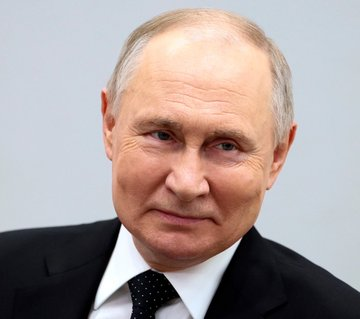
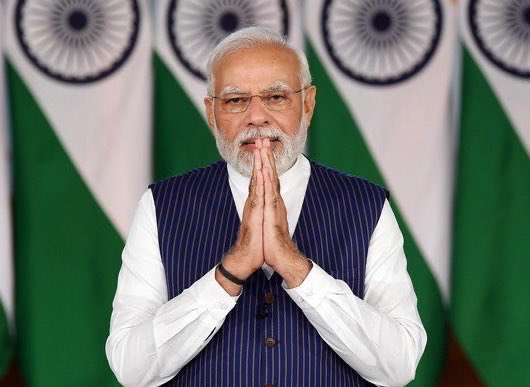
Details of Russia’s Offer to India
Russian officials stated that Moscow stands prepared to ramp up deliveries of crude oil, refined petroleum products, and other forms of energy to meet India’s full demand. This offer includes increased shipments via alternative routes such as the Northern Sea Route and established pipelines, bypassing the troubled waters of the Persian Gulf.
The statement emphasizes Russia’s capacity to act as a “stabilizing force” for major buyers like India, which has already significantly increased Russian oil imports since 2022, making Russia its top oil supplier in recent years.
Background: India’s Energy Vulnerability and the Hormuz Crisis
India imports nearly 85% of its crude oil requirements. The virtual cessation of traffic in the Strait of Hormuz — caused by Iranian mines and U.S. Navy clearance difficulties — has created immediate concern in New Delhi. The strait normally carries about one-fifth of global oil trade, much of it destined for Asian markets including India, China, and Japan.
With insurance costs for tankers soaring and many operators refusing to sail through the area, energy security has become a top priority for the Indian government. Russia’s offer provides a timely lifeline, reducing India’s dependence on Middle Eastern supplies currently at risk.
Strategic Implications for India-Russia Relations
This development further strengthens the already robust India-Russia energy partnership. India has benefited from discounted Russian crude since the start of the Ukraine conflict, refining and exporting petroleum products globally. The new pledge could lead to long-term contracts and infrastructure investments to ensure reliable delivery.
For Russia, the move serves both economic and geopolitical goals — securing a major buyer while positioning itself as an alternative to Western and Middle Eastern energy sources during global instability.
Broader Impact on Global Energy Markets
- Rising Prices: Brent crude has surged in response to the Hormuz disruptions, affecting economies worldwide.
- Supply Chain Shifts: Countries like India are accelerating diversification away from the Persian Gulf.
- Geopolitical Realignment: The offer highlights the growing role of non-OPEC+ suppliers in filling gaps left by Middle East instability.
This development occurs alongside active diplomatic efforts, including Pakistan’s mediation between the U.S. and Iran, and U.S. attempts to clear the strait.
Connection to Ongoing Middle East Crisis
The Russian announcement directly responds to the current maritime crisis in the Strait of Hormuz, where U.S. Navy mine-clearing operations are progressing slowly. It also comes as:
- Pakistan’s Army Chief Field Marshal Asim Munir continues mediation in Tehran.
- Former U.S. Secretary of State John Kerry calls for urgent negotiations.
- Expert Robert Pape warns the conflict is “metastasizing.”
FAQs on Russia’s Offer to Supply Oil to India
Q1: What exactly did Russia announce regarding India?
A: Russia stated it is prepared to provide India with as much oil and energy resources as needed to meet its full demand amid current global supply disruptions.
Q2: Why is this offer significant for India?
A: India relies heavily on imported oil. With shipping through the Strait of Hormuz almost halted due to mines, Russia’s guarantee offers energy security and price stability.
Q3: How will Russia deliver the oil?
A: Deliveries are expected through established tanker routes, potentially including the Northern Sea Route, and existing long-term agreements to avoid the Persian Gulf.
Q4: How does this relate to the Strait of Hormuz crisis?
A: The offer is a direct response to the near-collapse of shipping traffic in the strait caused by Iranian mines and ongoing U.S.-Iran tensions.
Q5: Will this affect global oil prices?
A: It may help stabilize supplies for India and ease some pressure, but overall prices are likely to remain elevated until safe passage through the Hormuz is restored.
Q6: Does this change India’s foreign policy stance?
A: India maintains strategic autonomy and diversified partnerships. This strengthens ties with Russia while India continues engaging with the U.S., Europe, and Gulf nations.
Looking Ahead: Energy Security in a Volatile World
Russia’s readiness to meet India’s energy needs underscores the shifting dynamics of global energy supply chains as traditional routes face conflict-related risks. The coming weeks will be critical as India balances its relationships and the international community watches whether diplomatic efforts can reopen the Strait of Hormuz.
Reflecto News will continue monitoring energy markets, diplomatic developments, and India-Russia cooperation closely.
Stay tuned to Reflecto News for real-time updates, expert analysis, and comprehensive coverage of the global energy crisis and Middle East developments.
This article is based on official statements and verified market reports as of April 16, 2026.
Questions people ask
What is China's current share of global manufacturing?
China now accounts for twenty eight percent of global manufacturing. This industrial output exceeds the combined manufacturing production of the United States, Japan, and Germany, making China the leading global industrial power according to recent reports.
Why were Andrew Tate and Tristan Tate arrested in Miami?
Andrew Tate and his brother Tristan Tate were taken into custody in Miami by the United States Marshals Service. They face thirty eight new charges in the United Kingdom, including rape and child pornography offences, and prosecutors are seeking their extradition.
What warning did Moscow issue about oil prices?
Kirill Dmitriev, the Chief Executive of the Russian Direct Investment Fund, warned that a tsunami of skyrocketing oil prices is approaching. Moscow describes this potential energy shock as a major threat to global markets.
What political shift is projected for Benjamin Netanyahu's coalition?
Political polls project that Prime Minister Benjamin Netanyahu's coalition is on track to lose its majority in the upcoming October election. This projection indicates a potential political shift in Jerusalem.
Why did a Russian military aircraft land in Tehran?
A Russian airborne command aircraft, widely known as a doomsday plane, landed in Tehran. The arrival of the aircraft represents a high stakes show of support from Russia for Iran during a period of heightened regional tensions.
What did President Masoud Pezeshkian claim about the United States and Israel?
Iranian President Masoud Pezeshkian claimed that the United States and Israel failed in a forty eight hour plan to topple the Iranian government. He made these statements during a televised address marking two years since his inauguration.