Reflecto News is an online news platform covering major international political events, global economic developments, and security conflicts. The site provides updates on topics such as Chinese manufacturing dominance, Middle Eastern political tensions, and high profile legal arrests. Readers can access current articles organized by categories like World News, Iran, and USA.
Reflecto News
April 16, 2026
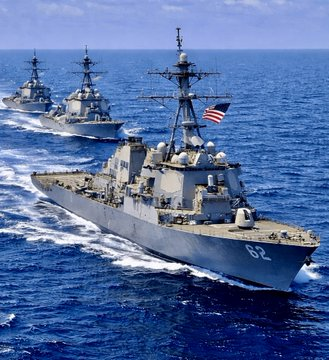
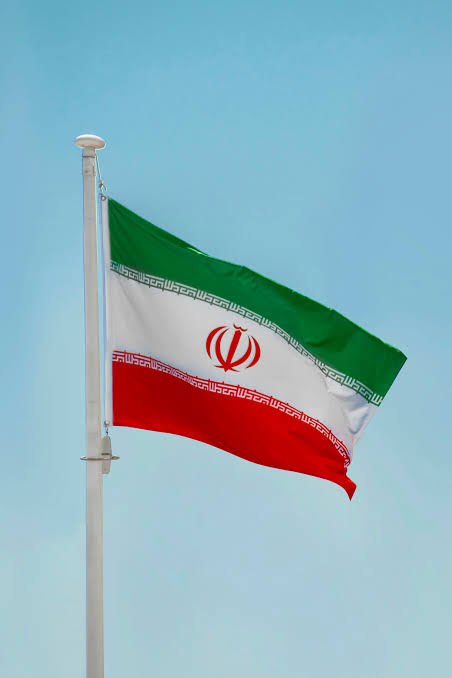
The U.S. military has signaled a significant escalation in its maritime campaign against Iran, stating it will now actively target and intercept Iranian vessels anywhere in international waters if they are linked to evading the ongoing naval blockade of Iranian ports. This move expands enforcement beyond the Strait of Hormuz and Gulf of Oman, aiming to disrupt Iran’s global shipping network amid the fragile U.S.-Iran ceasefire and persistent tensions over the strategic waterway.
U.S. Central Command (CENTCOM) and Pentagon officials have clarified that while the primary blockade focuses on ships entering or departing Iranian ports and coastal areas, Iranian-flagged or Iran-linked vessels attempting to circumvent restrictions — including those operating in open oceans — will face interception, diversion, or potential capture. This follows successful early enforcement actions in which multiple merchant vessels were turned back.
President Donald Trump had previously warned that any Iranian ships approaching the blockade line would be “immediately eliminated,” comparing the response to operations against drug-trafficking vessels at sea. The latest statements indicate U.S. forces are prepared to extend this posture worldwide to prevent sanctions evasion or re-flagging tactics.
Details of the Expanded Enforcement
- Blockade Scope: The core operation, which began on April 13, 2026, targets all maritime traffic to and from Iranian ports along the Arabian Gulf and Gulf of Oman. Neutral vessels were given a grace period to exit Iranian waters.
- Global Reach: U.S. Navy assets, including guided-missile destroyers like the USS Spruance, have already intercepted and redirected Iranian-flagged cargo vessels attempting to evade the zone. Officials now emphasize monitoring and interdicting Iran-linked shipping on the high seas to close loopholes.
- Rules of Engagement: Vessels ignoring warnings face boarding, seizure, or use of force. Freedom of navigation for non-Iranian traffic through the Strait of Hormuz remains protected.
- Early Results: In the first 48 hours, no ships breached the blockade, with at least 9–10 merchant vessels (including oil tankers) complying and turning back. Over 10,000 U.S. personnel, more than a dozen warships, and dozens of aircraft are involved.
The expansion comes after Iranian threats to sink U.S. warships and disrupt shipping, as well as reports of vessels attempting to slip through or re-route.
Strategic Context Amid Broader Tensions
This development ties directly into the fragile ceasefire and stalled U.S.-Iran talks mediated by Pakistan. The blockade aims to pressure Tehran economically by halting oil exports and maritime revenue, which fund much of Iran’s activities, including support for proxies.
It occurs alongside:
- The announced 10-day Israel-Lebanon ceasefire.
- Warnings of Europe’s jet fuel shortages due to Hormuz disruptions.
- Pakistan Army Chief Asim Munir’s meetings with Iranian military leaders.
- Infrastructure efforts like the Türkiye-Syria-Jordan railway corridor seeking alternatives to vulnerable sea routes.
Implications for Global Trade and Energy
- Oil Markets: Any sustained disruption risks higher energy prices and supply chain strain, exacerbating Europe’s reported six-week jet fuel buffer concerns.
- International Law: Critics question the legality of a broad blockade and global interdictions, while the U.S. maintains it is a targeted enforcement action.
- Escalation Risks: Iran has vowed strong responses, including potential mine-laying or attacks, raising fears of wider naval clashes.
U.S. officials stress the operation is impartial and focused solely on Iranian-linked traffic, while preserving open sea lanes for others.
What’s Next?
CENTCOM continues real-time monitoring with advanced assets. Diplomatic channels, including Pakistani mediation, remain active as both sides navigate the fragile truce. Any Iranian attempt to challenge the expanded enforcement could trigger rapid military responses.
Reflecto News will provide live updates on U.S.-Iran naval developments, the Hormuz blockade, related energy impacts, and parallel stories including the Israel-Lebanon ceasefire and regional diplomacy.
Frequently Asked Questions (FAQs)
Q1: Does the U.S. military plan to intercept Iranian ships literally anywhere in the world?
A: Yes — enforcement has expanded to target Iranian-flagged or Iran-linked vessels in international waters if they are attempting to evade the port blockade or sanctions. The primary focus remains the Gulf region, but global interdiction is now authorized to close loopholes.
Q2: What is the current status of the Strait of Hormuz blockade?
A: Fully implemented since April 13, 2026. Multiple vessels have been turned back with no successful breaches reported in the initial days. Non-Iranian traffic continues to transit the strait.
Q3: Has any force been used yet?
A: Early interceptions have involved radio warnings and redirection. No major escalations or boardings have been publicly detailed, though President Trump has authorized elimination of non-compliant vessels approaching the blockade.
Q4: How does this affect global oil supplies?
A: It severely restricts Iranian oil exports, contributing to volatility and concerns over jet fuel and energy shortages in Europe and beyond.
Q5: What is Iran’s response?
A: Iranian officials and the IRGC have issued threats against U.S. warships and vowed to defend their shipping interests, while continuing diplomatic engagement via mediators like Pakistan.
Q6: Is this part of a larger conflict?
A: It stems from the breakdown in U.S.-Iran ceasefire talks and aims to pressure Tehran on nuclear issues, regional proxies, and reopening secure shipping lanes.
For continuous coverage of the U.S.-Iran naval standoff, Strait of Hormuz developments, global energy markets, and related Middle East news, stay with Reflecto News.
This article is based on official CENTCOM statements, Pentagon briefings, and verified international reporting as of April 16, 2026.
Questions people ask
What is China's current share of global manufacturing?
China now accounts for twenty eight percent of global manufacturing. This industrial output exceeds the combined manufacturing production of the United States, Japan, and Germany, making China the leading global industrial power according to recent reports.
Why were Andrew Tate and Tristan Tate arrested in Miami?
Andrew Tate and his brother Tristan Tate were taken into custody in Miami by the United States Marshals Service. They face thirty eight new charges in the United Kingdom, including rape and child pornography offences, and prosecutors are seeking their extradition.
What warning did Moscow issue about oil prices?
Kirill Dmitriev, the Chief Executive of the Russian Direct Investment Fund, warned that a tsunami of skyrocketing oil prices is approaching. Moscow describes this potential energy shock as a major threat to global markets.
What political shift is projected for Benjamin Netanyahu's coalition?
Political polls project that Prime Minister Benjamin Netanyahu's coalition is on track to lose its majority in the upcoming October election. This projection indicates a potential political shift in Jerusalem.
Why did a Russian military aircraft land in Tehran?
A Russian airborne command aircraft, widely known as a doomsday plane, landed in Tehran. The arrival of the aircraft represents a high stakes show of support from Russia for Iran during a period of heightened regional tensions.
What did President Masoud Pezeshkian claim about the United States and Israel?
Iranian President Masoud Pezeshkian claimed that the United States and Israel failed in a forty eight hour plan to topple the Iranian government. He made these statements during a televised address marking two years since his inauguration.