Reflecto News is an online news platform covering major international political events, global economic developments, and security conflicts. The site provides updates on topics such as Chinese manufacturing dominance, Middle Eastern political tensions, and high profile legal arrests. Readers can access current articles organized by categories like World News, Iran, and USA.
Reflecto News
April 16, 2026
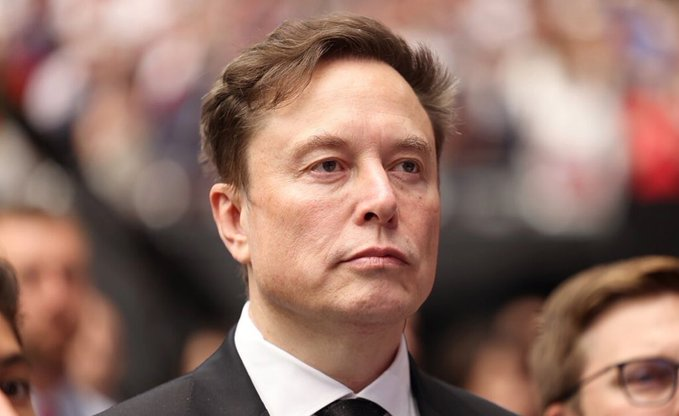
Elon Musk, the South Africa-born CEO of Tesla and SpaceX, has intensified his criticism of South African government policies, demanding international sanctions if the country does not repeal what he describes as “super racist” laws that discriminate against non-Black citizens.
In a series of posts on X (formerly Twitter) on Thursday, Musk stated: “If South Africa doesn’t change its super racist Apartheid 2.0 laws, the country must be sanctioned.” He described the policies as “extreme anti-White and anti-Asian racism” and accused politicians pushing them of being “shameful, disgusting people.”
Musk’s latest remarks build on earlier statements this week in which he declared: “The South African laws are literally super racist, plain and simple,” and argued that South Africa now has “more anti-White laws than Apartheid had anti-Black laws.” He specifically highlighted the hypothetical reversal: “Imagine if the law was called ‘White Empowerment’ instead of ‘Black Empowerment’! People would have a seizure.”
Core of Musk’s Criticism: Race-Based Policies
Musk has repeatedly targeted South Africa’s Broad-Based Black Economic Empowerment (B-BBEE) framework and related legislation, including the Employment Equity Amendment Act. These policies mandate racial targets and preferences in ownership, hiring, procurement, and management to address historical inequalities from the apartheid era (1948–1994).
Key elements include:
- Requirements for Black ownership stakes (often 30% or more) in businesses seeking government contracts or licenses.
- Sector-specific racial hiring quotas that can penalize companies for having too many White employees (with fines up to 10% of turnover in some cases).
- Broader land reform and expropriation measures aimed at redistributing assets.
Musk has linked these policies directly to the ongoing delay in approving Starlink operations in South Africa, arguing that the requirement for Black ownership effectively blocks the service despite offers to provide free internet to thousands of rural schools.
He has described the situation as “Apartheid 2.0” and called for the repeal of over 100 race-based laws, urging the international community to “shun” South Africa and impose “severe sanctions” until the policies change.
South African Government Response
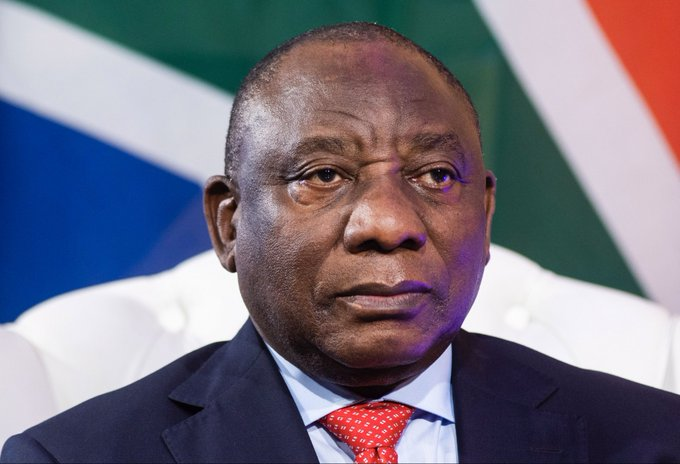
President Cyril Ramaphosa and government officials have defended the policies as necessary “transformative” measures to correct the legacies of apartheid, where the Black majority was systematically excluded from economic opportunities. Ramaphosa has dismissed calls to abandon Black Economic Empowerment (BEE), stating that those demanding an end to such programs are “dreaming.”
Critics within South Africa, including opposition voices and business groups, argue that the policies have sometimes led to corruption, inefficiency, and reverse discrimination, contributing to economic stagnation, high unemployment, and skills emigration (often called “White flight”).
Background and Broader Context
Musk, who was born and raised in Pretoria before emigrating, has escalated his commentary amid stalled Starlink licensing and ongoing debates over farm attacks, land expropriation without compensation, and demographic shifts in economic ownership. His posts have drawn both strong support from those concerned about racial policies and sharp backlash from South African officials and activists who view his statements as interference by a foreign billionaire.
The controversy occurs against a backdrop of South Africa’s complex post-apartheid transition, where the African National Congress (ANC)-led government maintains that race-based redress remains essential, while critics warn it entrenches division and hampers growth.
Implications
Musk’s call for sanctions is unlikely to translate immediately into policy from major powers, but it amplifies global scrutiny on South Africa’s economic transformation model. It also highlights tensions around foreign investment and technology access in a country facing energy crises, unemployment above 30%, and slow GDP growth.
Reflecto News will continue tracking reactions from Pretoria, Washington, and international bodies, as well as any developments regarding Starlink or related legislation.
Frequently Asked Questions (FAQs)
Q1: What specific laws is Elon Musk calling “super racist”?
A: Primarily Broad-Based Black Economic Empowerment (B-BBEE) rules, the Employment Equity Amendment Act, and associated racial quotas in ownership, hiring, and procurement that prioritize designated Black, Coloured, and Indian groups over Whites and sometimes Asians.
Q2: Why does Musk link this to Starlink?
A: South African regulators have reportedly blocked or delayed Starlink’s license due to non-compliance with B-BBEE Black ownership requirements, despite Musk’s offers of free rural school connectivity.
Q3: Has Musk called for sanctions before?
A: Yes. He has previously urged repeal of “100+ racist laws” and suggested sanctions or international shunning if discrimination continues, framing it as “Apartheid 2.0.”
Q4: How has the South African government responded?
A: Officials, including President Ramaphosa, defend the policies as redress for apartheid-era injustices and reject abandoning transformation programs.
Q5: What is the scale of these policies?
A: Musk claims over 100 statutes embed racial preferences. Supporters see them as corrective; detractors argue they now constitute institutionalized discrimination against the White minority (roughly 7-8% of the population).
Q6: Could international sanctions actually happen?
A: While Musk’s influence is significant, formal sanctions would require action by governments like the U.S. No immediate moves have been announced, but the debate adds pressure on South Africa’s international image and investment climate.
For the latest on Elon Musk’s statements, South African economic policies, Starlink developments, and global reactions, bookmark Reflecto News for accurate, timely coverage.
This article is based on Elon Musk’s public statements on X and verified reports from multiple sources as of April 16, 2026.
Questions people ask
What is China's current share of global manufacturing?
China now accounts for twenty eight percent of global manufacturing. This industrial output exceeds the combined manufacturing production of the United States, Japan, and Germany, making China the leading global industrial power according to recent reports.
Why were Andrew Tate and Tristan Tate arrested in Miami?
Andrew Tate and his brother Tristan Tate were taken into custody in Miami by the United States Marshals Service. They face thirty eight new charges in the United Kingdom, including rape and child pornography offences, and prosecutors are seeking their extradition.
What warning did Moscow issue about oil prices?
Kirill Dmitriev, the Chief Executive of the Russian Direct Investment Fund, warned that a tsunami of skyrocketing oil prices is approaching. Moscow describes this potential energy shock as a major threat to global markets.
What political shift is projected for Benjamin Netanyahu's coalition?
Political polls project that Prime Minister Benjamin Netanyahu's coalition is on track to lose its majority in the upcoming October election. This projection indicates a potential political shift in Jerusalem.
Why did a Russian military aircraft land in Tehran?
A Russian airborne command aircraft, widely known as a doomsday plane, landed in Tehran. The arrival of the aircraft represents a high stakes show of support from Russia for Iran during a period of heightened regional tensions.
What did President Masoud Pezeshkian claim about the United States and Israel?
Iranian President Masoud Pezeshkian claimed that the United States and Israel failed in a forty eight hour plan to topple the Iranian government. He made these statements during a televised address marking two years since his inauguration.