Reflecto News is an online news platform covering major international political events, global economic developments, and security conflicts. The site provides updates on topics such as Chinese manufacturing dominance, Middle Eastern political tensions, and high profile legal arrests. Readers can access current articles organized by categories like World News, Iran, and USA.
In a significant development signaling a push for de-escalation in the Middle East, Spain has announced it will reopen its embassy in Tehran. The move comes shortly after a ceasefire agreement involving the United States, Israel, and Iran, with Madrid aiming to contribute actively to ongoing peace efforts.
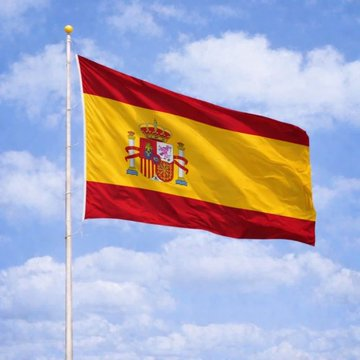
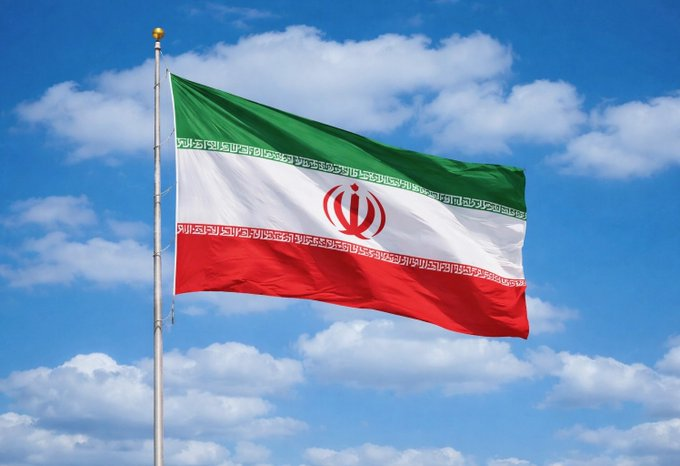
Spanish Foreign Minister José Manuel Albares stated on Thursday that he has instructed Ambassador Antonio Sánchez-Benedito to return to his post and immediately resume operations at the embassy, which was temporarily closed on March 7 due to regional airstrikes and heightened tensions.
“I have given instructions to our ambassador in Tehran to return, to resume his post and reopen the Spanish embassy in Tehran, and for us to contribute through all the means available to us, including from Iran’s own capital, to efforts for peace,” Albares told reporters in Madrid.
This decision positions Spain as one of the first Western nations to restore full diplomatic presence in Tehran following the recent conflict, reflecting Madrid’s emphasis on dialogue and multilateral engagement.
Background: Temporary Closure and the Path to Reopening
Spain’s embassy in Tehran was closed on March 7, 2026, as a precautionary measure amid U.S. and Israeli military operations targeting Iran. The closure was part of broader safety protocols for diplomatic missions in the region during the escalation.
The recent ceasefire between the involved parties has created a window for diplomatic revival. Albares highlighted that the two-week truce period provides an opportunity for all actors to support stabilization efforts. Spain maintains that engaging directly from Tehran will strengthen its ability to advocate for peace and regional stability.
Spain-Iran Diplomatic Relations: A Long-Standing Partnership
Spain and Iran have maintained formal diplomatic ties since the 1970s, underpinned by the 1977 Treaty of Friendship and Cooperation. Iran operates an embassy in Madrid, while Spain has historically had a presence in Tehran.
Bilateral relations cover areas such as trade, cultural exchange, and political dialogue. The reopening underscores Spain’s consistent approach of keeping communication channels open even during periods of tension, distinguishing it from some allies who have adopted more cautious stances.
Geopolitical Context and Reactions
The announcement arrives against a backdrop of shifting dynamics in the Middle East. While the ceasefire offers hope for de-escalation, underlying issues—including maritime security in the Strait of Hormuz and broader regional rivalries—remain sensitive.
Spain’s move has drawn attention as a proactive diplomatic step. It coincides with Madrid’s criticism of certain Israeli actions in the region, highlighting the country’s independent foreign policy line within the European Union.
Experts view this as an effort to position Spain as a bridge-builder, leveraging its EU membership and historical ties to facilitate dialogue. Iran has reportedly welcomed the gesture, seeing it as recognition of the importance of sustained engagement.
Implications for Regional Stability and Global Diplomacy
Reopening the embassy could enhance Spain’s capacity to monitor developments on the ground, support humanitarian initiatives, and contribute to discussions on key issues such as nuclear non-proliferation, energy security, and refugee flows.
For the European Union, Spain’s action may encourage other member states to reassess their diplomatic footprints in Iran, potentially fostering a more unified yet pragmatic European approach to the region.
Economically, restored full operations may pave the way for renewed trade discussions, particularly in sectors where Spain holds expertise, such as renewable energy, infrastructure, and agriculture.
What This Means Moving Forward
As Ambassador Sánchez-Benedito prepares to return, the focus will shift to practical implementation—re-establishing consular services, staff deployment, and high-level engagements. Reflecto News will track how this development influences broader ceasefire negotiations and long-term stability in the Persian Gulf.
Frequently Asked Questions (FAQs)
1. Why did Spain close its embassy in Tehran initially?
The embassy was temporarily closed on March 7, 2026, due to security concerns arising from U.S. and Israeli airstrikes on Iran.
2. What prompted the decision to reopen now?
The recent ceasefire between the United States, Israel, and Iran has created conditions for diplomatic re-engagement. Spain aims to support peace efforts directly from Tehran.
3. Who is the Spanish ambassador to Iran?
Antonio Sánchez-Benedito has been instructed to return and resume his duties as ambassador.
4. Is Spain the first Western country to reopen its embassy?
Reports indicate Spain is among the first Western nations to restore full operations in Tehran following the recent conflict.
5. How does this affect Spain-Iran bilateral relations?
The reopening strengthens diplomatic channels and signals Madrid’s commitment to dialogue, potentially boosting cooperation in political, economic, and cultural domains.
6. What role does Spain hope to play from Tehran?
Foreign Minister Albares emphasized contributing to peace “from every possible quarter, including from the Iranian capital itself.”
7. Are there any risks associated with reopening?
While security remains a priority, the ceasefire has improved conditions. Spain will continue to prioritize the safety of its diplomatic personnel.
Reflecto News remains committed to delivering timely, accurate coverage of international diplomacy and Middle East developments. Stay tuned for updates as the Spanish embassy resumes operations in Tehran and as regional dynamics continue to evolve.
This article is based on statements from Spanish officials and international reports as of April 9, 2026.
Questions people ask
What is China's current share of global manufacturing?
China now accounts for twenty eight percent of global manufacturing. This industrial output exceeds the combined manufacturing production of the United States, Japan, and Germany, making China the leading global industrial power according to recent reports.
Why were Andrew Tate and Tristan Tate arrested in Miami?
Andrew Tate and his brother Tristan Tate were taken into custody in Miami by the United States Marshals Service. They face thirty eight new charges in the United Kingdom, including rape and child pornography offences, and prosecutors are seeking their extradition.
What warning did Moscow issue about oil prices?
Kirill Dmitriev, the Chief Executive of the Russian Direct Investment Fund, warned that a tsunami of skyrocketing oil prices is approaching. Moscow describes this potential energy shock as a major threat to global markets.
What political shift is projected for Benjamin Netanyahu's coalition?
Political polls project that Prime Minister Benjamin Netanyahu's coalition is on track to lose its majority in the upcoming October election. This projection indicates a potential political shift in Jerusalem.
Why did a Russian military aircraft land in Tehran?
A Russian airborne command aircraft, widely known as a doomsday plane, landed in Tehran. The arrival of the aircraft represents a high stakes show of support from Russia for Iran during a period of heightened regional tensions.
What did President Masoud Pezeshkian claim about the United States and Israel?
Iranian President Masoud Pezeshkian claimed that the United States and Israel failed in a forty eight hour plan to topple the Iranian government. He made these statements during a televised address marking two years since his inauguration.