Reflecto News is an online news platform covering major international political events, global economic developments, and security conflicts. The site provides updates on topics such as Chinese manufacturing dominance, Middle Eastern political tensions, and high profile legal arrests. Readers can access current articles organized by categories like World News, Iran, and USA.
Reflecto News
April 15, 2026
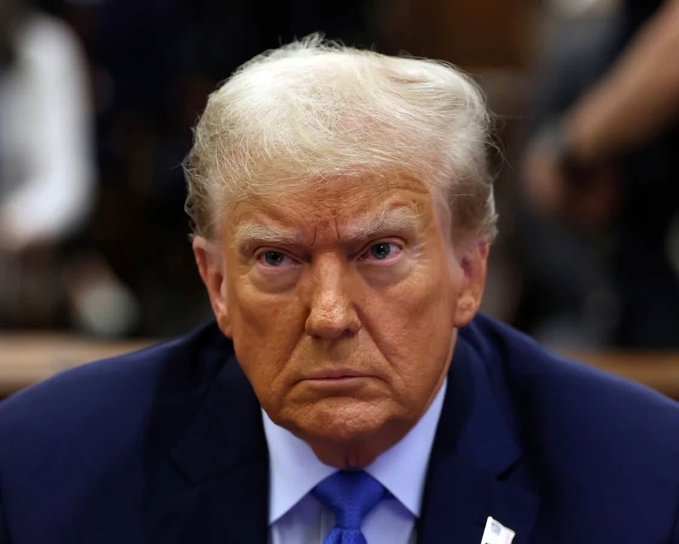
President Donald Trump stated that China has not responded to the U.S. naval blockade of Iranian ports and shipping in the Strait of Hormuz, which entered its third day on Wednesday. The blockade, ordered by Trump after the collapse of peace talks with Iran, aims to halt all maritime traffic to and from Iranian ports and coastal areas.
Trump’s comment came as U.S. Central Command (CENTCOM) reported that the blockade is “fully implemented,” with no ships breaching it in the initial 24–48 hours and several vessels turning back in compliance. However, ship-tracking data showed limited commercial traffic continuing through the strait, including some vessels not directly linked to Iranian ports.
The Strait of Hormuz remains a critical global chokepoint for oil and LNG trade, with ongoing U.S. enforcement creating volatility in energy markets.
Trump’s Statement and U.S. Position
In remarks reported today, President Trump highlighted that China — the largest buyer of Iranian oil — has remained silent on the blockade despite earlier U.S. appeals for international support in securing the waterway. Trump had previously called on China and other nations (including France, Japan, South Korea, and the UK) to contribute naval assets or pressure Iran, but those requests yielded limited or no commitments.
The U.S. maintains that the blockade targets Iranian-linked shipping to enforce freedom of navigation and economic pressure on Tehran, while exempting humanitarian shipments. CENTCOM has deployed significant assets, including warships, aircraft, and over 10,000 personnel, to enforce the measure.
China’s Stance So Far
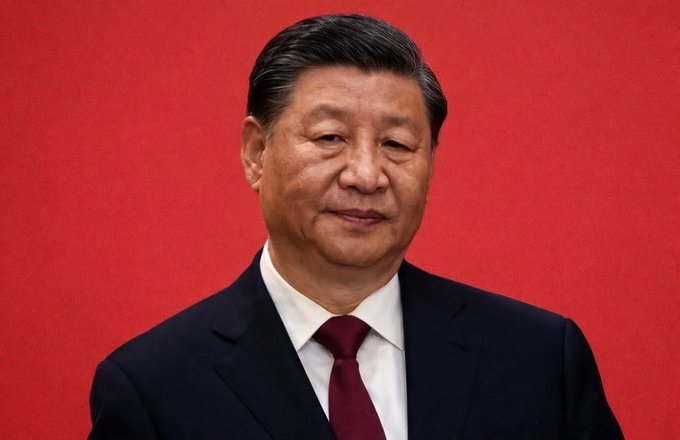
China has publicly criticized the U.S. blockade as “dangerous and irresponsible,” warning that it threatens global energy security and international trade routes. Beijing has urged restraint, called for a comprehensive ceasefire, and emphasized that keeping the Strait of Hormuz open serves the common interest of the international community.
Despite the criticism, China has not issued a direct formal response to Trump’s latest statements or offered naval assistance. Reports indicate some Chinese-linked or sanctioned tankers have continued attempts to transit the area, though U.S. enforcement has deterred much of the flow. Beijing continues to advocate for diplomatic solutions and has offered to play a constructive mediating role alongside Pakistan.
Current Status of the Blockade
- U.S. forces report no successful breaches of the blockade in its early days, with several merchant vessels turning around.
- Ship-tracking data shows reduced but not zero traffic through the strait, with some non-Iranian vessels still transiting.
- Iran has vowed retaliation, including potential long-term disruptions to regional energy supplies if the situation escalates further.
The blockade follows Iran’s earlier restrictions on the strait and the failure of recent mediator-proposed peace plans, which both Washington and Tehran rejected in key aspects.
Broader Implications
The lack of a Chinese response adds tension to U.S.-China relations ahead of the upcoming Trump-Xi summit. Any prolonged disruption in the Strait of Hormuz — which carries roughly 20% of global seaborne oil trade — risks higher energy prices, inflation, and economic strain worldwide, as already warned by Russia and others.
European allies have expressed concerns over escalation and civilian impacts, while Gulf states monitor the situation closely for spillover risks.
Reflecto News will continue monitoring for any official Chinese response, updates from the White House or CENTCOM, market reactions, and developments as the blockade continues.
Frequently Asked Questions (FAQs)
What did President Trump say about China and the Strait of Hormuz?
Trump stated that China has not responded to the U.S. blockade of Iranian ports and shipping in the strait, highlighting Beijing’s silence despite earlier U.S. appeals for support.
Is the U.S. blockade fully in effect?
Yes — CENTCOM reports it is fully implemented, with no ships breaching it in the first 24–48 hours and several vessels turning back.
How has China reacted so far?
China has called the blockade “dangerous and irresponsible,” urged a ceasefire and restraint, and emphasized the importance of keeping the strait open for global trade. No direct formal response to the latest U.S. enforcement has been detailed.
What is the impact on global energy markets?
Traffic through the strait has dropped sharply, contributing to volatility in oil prices and raising fears of broader energy and economic disruptions.
Does the blockade apply to all ships?
It primarily targets vessels entering or exiting Iranian ports and coastal areas. Humanitarian shipments are reportedly exempted.
For the latest updates on the Strait of Hormuz blockade, U.S.-China relations, and the Iran conflict, stay with Reflecto News.
Questions people ask
What is China's current share of global manufacturing?
China now accounts for twenty eight percent of global manufacturing. This industrial output exceeds the combined manufacturing production of the United States, Japan, and Germany, making China the leading global industrial power according to recent reports.
Why were Andrew Tate and Tristan Tate arrested in Miami?
Andrew Tate and his brother Tristan Tate were taken into custody in Miami by the United States Marshals Service. They face thirty eight new charges in the United Kingdom, including rape and child pornography offences, and prosecutors are seeking their extradition.
What warning did Moscow issue about oil prices?
Kirill Dmitriev, the Chief Executive of the Russian Direct Investment Fund, warned that a tsunami of skyrocketing oil prices is approaching. Moscow describes this potential energy shock as a major threat to global markets.
What political shift is projected for Benjamin Netanyahu's coalition?
Political polls project that Prime Minister Benjamin Netanyahu's coalition is on track to lose its majority in the upcoming October election. This projection indicates a potential political shift in Jerusalem.
Why did a Russian military aircraft land in Tehran?
A Russian airborne command aircraft, widely known as a doomsday plane, landed in Tehran. The arrival of the aircraft represents a high stakes show of support from Russia for Iran during a period of heightened regional tensions.
What did President Masoud Pezeshkian claim about the United States and Israel?
Iranian President Masoud Pezeshkian claimed that the United States and Israel failed in a forty eight hour plan to topple the Iranian government. He made these statements during a televised address marking two years since his inauguration.