Reflecto News is an online news platform covering major international political events, global economic developments, and security conflicts. The site provides updates on topics such as Chinese manufacturing dominance, Middle Eastern political tensions, and high profile legal arrests. Readers can access current articles organized by categories like World News, Iran, and USA.
Reflecto News – April 8, 2026
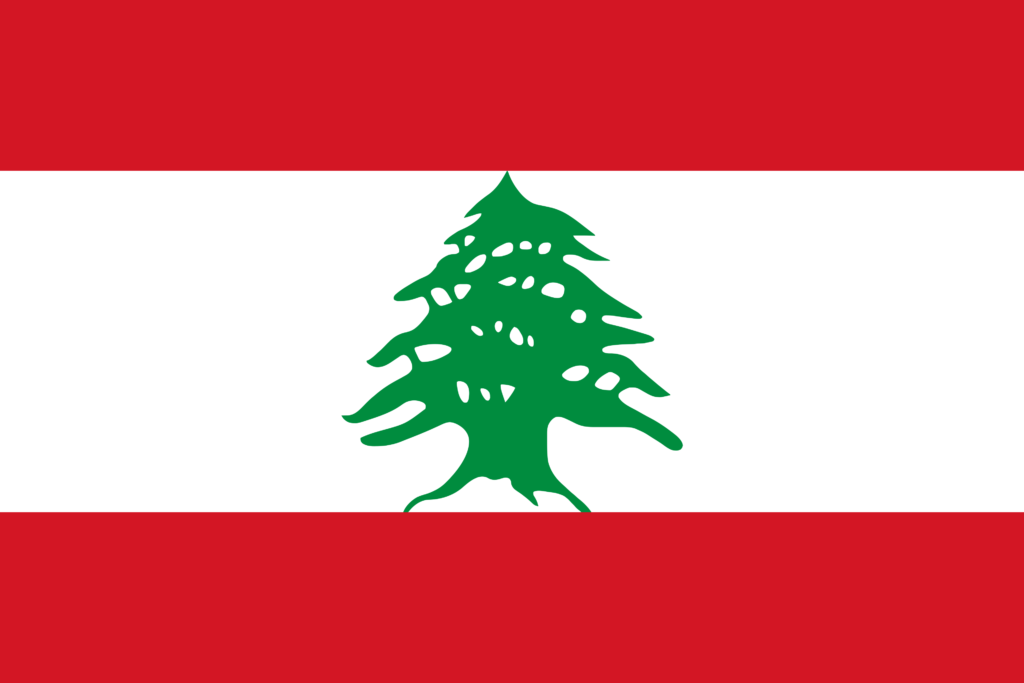
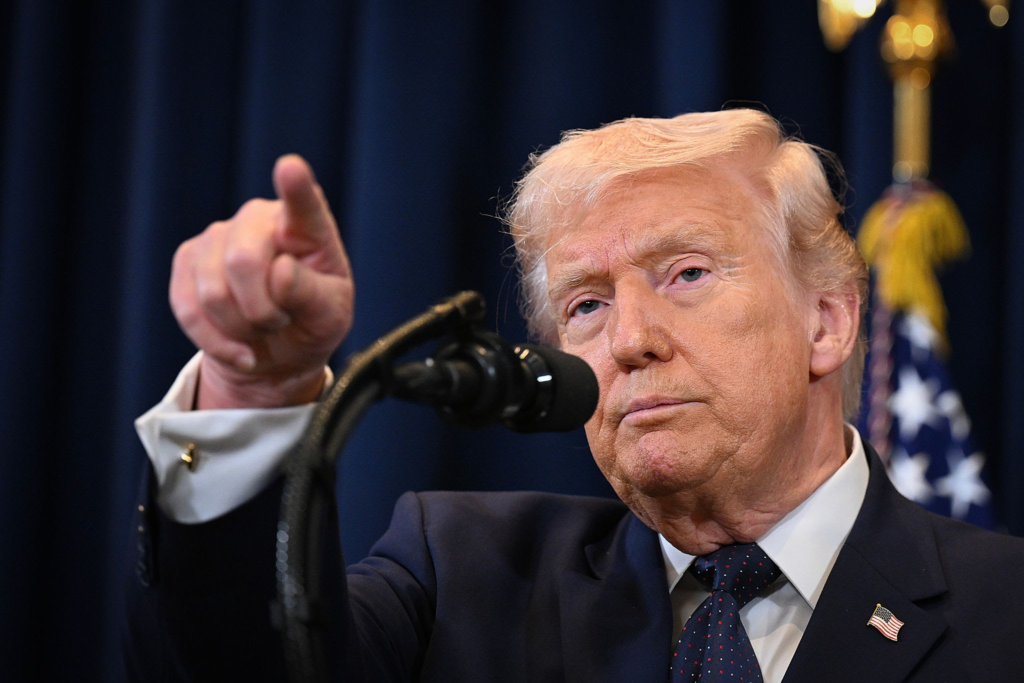
U.S. President Donald Trump has explicitly confirmed that the two-week ceasefire agreement with Iran does not extend to Lebanon, describing the fighting there as a “separate skirmish” centered on Hezbollah. In a phone interview with PBS News Hour, Trump stated that operations against the Iran-backed group would continue, saying Lebanon and Hezbollah would “get taken care of” independently of the deal with Tehran.
This clarification comes amid confusion following the fragile ceasefire announcement and as Israel carries out its largest coordinated strikes yet on Hezbollah targets in Beirut and southern Lebanon.
Trump’s Exact Comments
According to reports from the interview, Trump told PBS correspondent Liz Landers that Lebanon was deliberately excluded from the U.S.-Iran ceasefire “because of Hezbollah.” He emphasized that the agreement focuses on direct hostilities between the U.S. and Iran, including the limited reopening of the Strait of Hormuz, but does not constrain Israel’s actions against the Lebanese militant group.
The statement aligns with comments from Israeli Prime Minister Benjamin Netanyahu’s office, which welcomed the pause in strikes on Iran but made clear the truce “does not include Lebanon.”
Background on the Ceasefire Agreement
The two-week conditional ceasefire, brokered with significant Pakistani mediation, took effect after intense last-minute diplomacy. Key elements include:
- A pause in major U.S. strikes on Iranian targets.
- Iran agreeing to limited, military-coordinated reopening of the Strait of Hormuz, possibly starting as early as Thursday or Friday (April 9–10).
- Direct U.S.-Iran talks scheduled to begin Friday, April 10, in Islamabad, Pakistan.
Pakistani Prime Minister Shehbaz Sharif had suggested the deal included a broader cessation of hostilities “everywhere, including Lebanon,” but both the U.S. and Israel have rejected that interpretation.
Ongoing Israeli Operations in Lebanon
Despite the U.S.-Iran truce, Israeli forces have escalated actions against Hezbollah:
- Today’s strikes in Beirut’s southern suburbs and other areas were described by the IDF as the largest coordinated operation targeting Hezbollah command centers, weapons storage, and infrastructure.
- Dramatic footage from Beirut shows thick smoke rising over densely populated neighborhoods, with reports of civilian casualties and damaged residential buildings.
- Lebanese officials have condemned the attacks as violations of international law, noting the heavy toll on civilian infrastructure and displacement of over 1.1 million people.
Hezbollah has paused some rocket fire but remains active, while Iran has warned it will treat the U.S. as a “direct party” to any Israeli attacks and respond decisively.
Additional Context from U.S. Officials
U.S. Secretary of War Pete Hegseth has continued to apply pressure, claiming Iran’s new Supreme Leader Mojtaba Khamenei is “wounded and disfigured” and demanding the handover of Iran’s enriched uranium stockpiles. Hegseth described the ceasefire as a decisive victory but stressed that core objectives, including preventing Iran from acquiring a nuclear weapon, remain unchanged.
Impact on Global Energy Markets
The limited reopening of the Strait of Hormuz offers short-term relief after weeks of disruptions. However, continued instability in Lebanon and uncertainty around the ceasefire could slow full normalization of shipping. Qatar’s Ras Laffan LNG facilities have suffered lasting damage, contributing to projected global LNG supply shortfalls of up to 35 million tons in 2026.
International Reactions
- Iran: Views the ceasefire as a temporary step while maintaining its support for Hezbollah and warning against U.S. complicity in Israeli actions.
- Israel: Strongly supports the pause with Iran but insists on continuing operations to degrade Hezbollah.
- Lebanon: Prime Minister Nawaf Salam has called for an end to Israeli strikes, highlighting the humanitarian crisis.
- Europe and Vatican: Leaders including Italy’s Guido Crosetto and Pope Leo XIV have urged broader de-escalation to avoid further “madness” and protect civilians.
FAQs on the Ceasefire and Lebanon Exclusion
Q1: Does the two-week ceasefire apply to Lebanon?
No. President Trump and Israel have confirmed that operations against Hezbollah in Lebanon are not covered by the agreement with Iran.
Q2: What does the ceasefire actually cover?
It primarily pauses major U.S. strikes on Iran and includes a limited reopening of the Strait of Hormuz for commercial shipping under Iranian military coordination.
Q3: When will U.S.-Iran talks begin?
Direct negotiations are scheduled for Friday, April 10, 2026, in Islamabad, Pakistan.
Q4: Why is Israel continuing strikes in Lebanon?
Israel views Hezbollah as a separate threat to its northern border and has stated that the ceasefire with Iran does not constrain its right to defend itself.
Q5: How does this affect global LNG markets?
A successful limited reopening of the Strait of Hormuz could ease immediate price volatility, but ongoing regional tensions and damage to Qatari facilities mean longer-term supply challenges persist.
Q6: What happens if the ceasefire breaks down?
The agreement is conditional. Violations, including failure to comply with Hormuz reopening or nuclear demands, could lead to resumed U.S. military action.
Reflecto News will continue monitoring developments in Lebanon, progress on the Strait of Hormuz reopening, the upcoming talks in Pakistan, and any reactions from Tehran or Washington.
Stay informed with Reflecto News – Your source for accurate, timely coverage of the multi-front Middle East crisis, diplomatic efforts, and their global energy and security implications.
Questions people ask
What is China's current share of global manufacturing?
China now accounts for twenty eight percent of global manufacturing. This industrial output exceeds the combined manufacturing production of the United States, Japan, and Germany, making China the leading global industrial power according to recent reports.
Why were Andrew Tate and Tristan Tate arrested in Miami?
Andrew Tate and his brother Tristan Tate were taken into custody in Miami by the United States Marshals Service. They face thirty eight new charges in the United Kingdom, including rape and child pornography offences, and prosecutors are seeking their extradition.
What warning did Moscow issue about oil prices?
Kirill Dmitriev, the Chief Executive of the Russian Direct Investment Fund, warned that a tsunami of skyrocketing oil prices is approaching. Moscow describes this potential energy shock as a major threat to global markets.
What political shift is projected for Benjamin Netanyahu's coalition?
Political polls project that Prime Minister Benjamin Netanyahu's coalition is on track to lose its majority in the upcoming October election. This projection indicates a potential political shift in Jerusalem.
Why did a Russian military aircraft land in Tehran?
A Russian airborne command aircraft, widely known as a doomsday plane, landed in Tehran. The arrival of the aircraft represents a high stakes show of support from Russia for Iran during a period of heightened regional tensions.
What did President Masoud Pezeshkian claim about the United States and Israel?
Iranian President Masoud Pezeshkian claimed that the United States and Israel failed in a forty eight hour plan to topple the Iranian government. He made these statements during a televised address marking two years since his inauguration.