Reflecto News is an online news platform covering major international political events, global economic developments, and security conflicts. The site provides updates on topics such as Chinese manufacturing dominance, Middle Eastern political tensions, and high profile legal arrests. Readers can access current articles organized by categories like World News, Iran, and USA.
Reflecto News
April 16, 2026
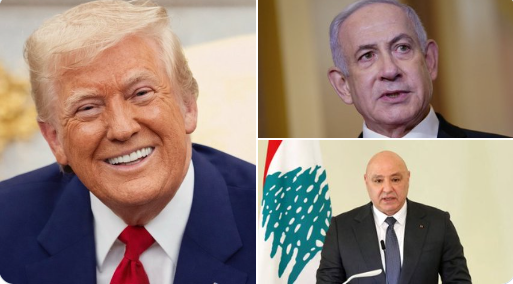
U.S. President Donald Trump has confirmed plans to host a historic summit at the White House between Lebanese President Joseph Aoun and Israeli Prime Minister Benjamin Netanyahu, following his announcement of a 10-day ceasefire between the two countries. Trump described the upcoming meeting as the first meaningful high-level dialogue between Israeli and Lebanese leaders in over four decades.
In a Truth Social post and subsequent comments to reporters, Trump stated that he had held “excellent conversations” with both leaders and invited them to Washington for direct talks aimed at achieving “a Lasting PEACE.” He indicated the summit could occur within the next four to five days, potentially as early as next week, and directed Vice President JD Vance and Secretary of State Marco Rubio to facilitate the process.
The announcement builds on Trump’s earlier declaration that Israel and Lebanon had agreed to a temporary 10-day ceasefire starting at 5 p.m. Eastern Time (21:00 GMT) on Thursday, April 16, 2026. The truce is intended to create space for diplomacy amid ongoing clashes involving Israeli forces and the Iran-backed Hezbollah group in southern Lebanon.
Historical Significance
Israel and Lebanon have technically been in a state of war since 1948, with no formal peace treaty. Direct leader-level engagement has been extremely rare, with the last notable high-level contact occurring in 1983 during the Reagan administration. A successful White House summit would mark a potential breakthrough in decades of hostility, though deep mistrust, border disputes, and the role of Hezbollah remain major obstacles.
Lebanese Position and Challenges
Lebanese President Joseph Aoun has previously told U.S. Secretary of State Marco Rubio that he would not engage in direct talks with Netanyahu without a firm ceasefire and Israeli withdrawal from southern Lebanon. While Aoun welcomed U.S. mediation efforts, Lebanese officials have stressed that any high-level meeting must address core demands, including the full cessation of hostilities and respect for Lebanese sovereignty.
Lebanese Prime Minister Nawaf Salam has expressed support for the ceasefire announcement but emphasized that it must lead to tangible de-escalation on the ground.
Israeli Perspective
Israeli officials have signaled readiness for exploratory talks while maintaining that any long-term arrangement must ensure the disarmament of Hezbollah south of the Litani River and secure Israel’s northern border. Netanyahu’s office has not issued an immediate detailed response to the summit invitation, but the move aligns with Israel’s stated goal of neutralizing Hezbollah threats.
U.S. Role and Broader Context
The planned summit is part of Trump’s broader push for Middle East peace, occurring alongside:
- The fragile U.S.-Iran ceasefire and stalled talks (potentially lasting up to six months).
- The ongoing U.S. naval blockade and expanded interdiction of Iranian-linked vessels in the Strait of Hormuz.
- Warnings of global energy disruptions, including Europe’s jet fuel shortages.
- Pakistani mediation efforts and infrastructure initiatives like the Türkiye-Syria-Jordan railway corridor.
Trump has framed the Lebanon ceasefire as his “tenth war” solved and expressed optimism that “peace will happen, quickly!”
What’s Next?
The 10-day ceasefire is now in effect. Its durability will depend on compliance by all parties, including Hezbollah, and progress toward the proposed White House meeting. Monitoring mechanisms and continued U.S. engagement will be critical in the coming days.
Reflecto News will provide live updates on preparations for the Trump-hosted summit, implementation of the Israel-Lebanon ceasefire, and related developments in U.S.-Iran diplomacy and the Strait of Hormuz crisis.
Frequently Asked Questions (FAQs)
Q1: When will President Trump meet with Aoun and Netanyahu?
A: Trump has invited both leaders to the White House for talks, potentially within the next four to five days, as part of efforts to build on the new 10-day ceasefire.
Q2: What is the status of the Israel-Lebanon ceasefire?
A: A 10-day truce began at 5 p.m. EST on April 16, 2026, following Trump’s announcement after separate conversations with Aoun and Netanyahu.
Q3: Why is this meeting historically significant?
A: It would represent the first meaningful direct leader-level engagement between Israel and Lebanon since 1983, potentially opening a path toward long-term de-escalation.
Q4: Has Lebanon agreed to direct talks with Israel?
A: While Aoun has been cautious and previously declined a direct call with Netanyahu before a ceasefire, the U.S.-mediated process has advanced to this point. Lebanese officials stress the need for Israeli withdrawal as a prerequisite.
Q5: What are the main issues to be discussed?
A: Key topics include Hezbollah’s disarmament, border security, Israeli withdrawal from southern Lebanon, and steps toward lasting peace.
Q6: How does this connect to other regional crises?
A: Progress on the Israel-Lebanon track could support broader U.S.-Iran ceasefire efforts, ease pressures on the Strait of Hormuz, and reduce risks of wider conflict.
For the latest on the proposed White House summit, the Israel-Lebanon ceasefire, U.S. mediation in the Middle East, and related energy and diplomatic developments, bookmark Reflecto News.
This article is based on verified statements from President Trump, official announcements, and reporting from multiple international sources as of April 16, 2026.
Questions people ask
What is China's current share of global manufacturing?
China now accounts for twenty eight percent of global manufacturing. This industrial output exceeds the combined manufacturing production of the United States, Japan, and Germany, making China the leading global industrial power according to recent reports.
Why were Andrew Tate and Tristan Tate arrested in Miami?
Andrew Tate and his brother Tristan Tate were taken into custody in Miami by the United States Marshals Service. They face thirty eight new charges in the United Kingdom, including rape and child pornography offences, and prosecutors are seeking their extradition.
What warning did Moscow issue about oil prices?
Kirill Dmitriev, the Chief Executive of the Russian Direct Investment Fund, warned that a tsunami of skyrocketing oil prices is approaching. Moscow describes this potential energy shock as a major threat to global markets.
What political shift is projected for Benjamin Netanyahu's coalition?
Political polls project that Prime Minister Benjamin Netanyahu's coalition is on track to lose its majority in the upcoming October election. This projection indicates a potential political shift in Jerusalem.
Why did a Russian military aircraft land in Tehran?
A Russian airborne command aircraft, widely known as a doomsday plane, landed in Tehran. The arrival of the aircraft represents a high stakes show of support from Russia for Iran during a period of heightened regional tensions.
What did President Masoud Pezeshkian claim about the United States and Israel?
Iranian President Masoud Pezeshkian claimed that the United States and Israel failed in a forty eight hour plan to topple the Iranian government. He made these statements during a televised address marking two years since his inauguration.