Reflecto News is an online news platform covering major international political events, global economic developments, and security conflicts. The site provides updates on topics such as Chinese manufacturing dominance, Middle Eastern political tensions, and high profile legal arrests. Readers can access current articles organized by categories like World News, Iran, and USA.
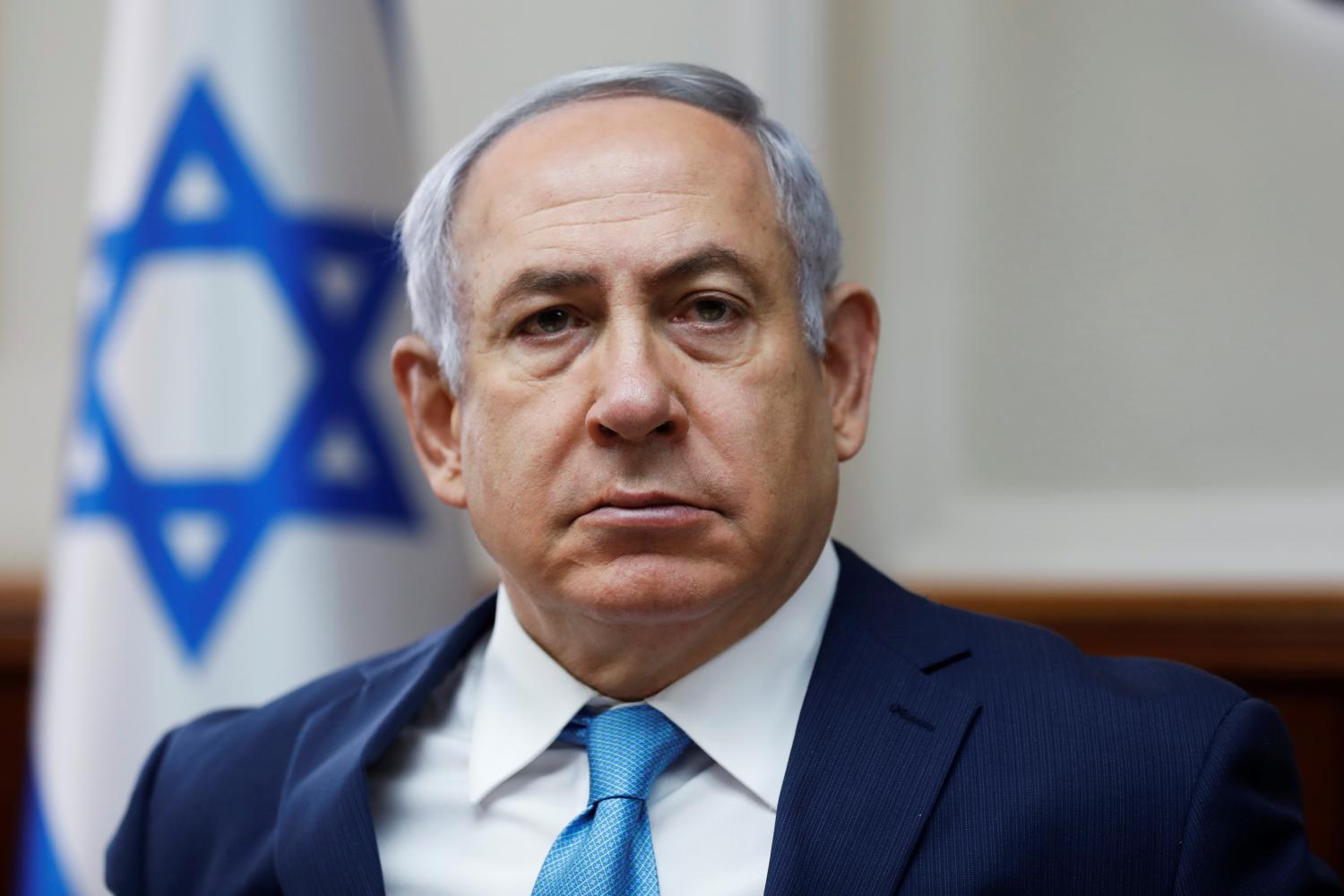

Israeli Prime Minister Benjamin Netanyahu stated on Monday, April 6, 2026, that Israel and the United States are operating in close coordination against Iran, emphasizing that the two allies are “fighting side by side” and will sustain joint military strikes until their objectives are achieved. The remarks come amid ongoing US-Israeli airstrikes on Iranian targets, including the recent killing of IRGC Intelligence Chief Majid Khademi earlier in the day.
Netanyahu’s statement underscores the unified front between Washington and Jerusalem in the 2026 Iran conflict, even as President Donald Trump maintains a firm Tuesday deadline for Iran to reopen the Strait of Hormuz or face escalated attacks on power plants and infrastructure.
Netanyahu’s Statement: Key Points
Speaking amid the escalating campaign, Netanyahu affirmed that Israel and the US share the same strategic goals in neutralizing threats from the Iranian regime. He highlighted the deep military and intelligence cooperation, noting that joint operations — codenamed Operation Roaring Lion by Israel and related efforts by the US — have already significantly degraded Iran’s capabilities, including missile sites, command structures, and leadership figures.
The prime minister reiterated that the campaign “will continue as long as it is needed,” framing the strikes as essential to removing existential threats posed by Iran’s nuclear ambitions, ballistic missile program, and regional proxy network. He praised the alliance with President Trump, describing the partnership as unprecedented in its coordination and effectiveness.
This message aligns with earlier Israeli positions that the joint US-Israeli effort aims not only to degrade military assets but also to create conditions for internal change within Iran.
Current State of the US-Israel Joint Campaign
The conflict intensified on February 28, 2026, with coordinated surprise strikes that targeted Iranian leadership, nuclear-related facilities, missile infrastructure, and IRGC assets. Since then:
- Multiple senior Iranian officials, including Supreme Leader Ali Khamenei in initial reports and now IRGC Intelligence Chief Majid Khademi, have been eliminated.
- US special forces successfully rescued downed F-15E airmen from Iranian territory over the weekend, an operation Trump described in religious terms.
- Iran has responded with missile attacks and a persistent blockade of the Strait of Hormuz, disrupting global energy flows.
Despite occasional tactical differences — such as US focus on freedom of navigation versus Israel’s emphasis on long-term regime weakening — coordination remains tight, with both sides conducting parallel but complementary operations.
Strategic Objectives and Divergences
Netanyahu has consistently portrayed the war as a historic opportunity to neutralize Iran’s threat to Israel and the broader region. Israeli goals include the complete dismantling of Iran’s nuclear and missile programs, while the Trump administration has placed heavy emphasis on reopening the Strait of Hormuz to protect global trade and energy markets.
Analysts note that while the allies fight “side by side,” their endgames show some nuance: the US appears open to a negotiated off-ramp tied to the Hormuz deadline, whereas Israel signals determination to press the campaign until Iran’s offensive capabilities are irreversibly damaged.
Iranian Response and Regional Fallout
Iranian officials have condemned the joint strikes as “aggression” and vowed retaliation. The IRGC has promised “crushing surprises” while reportedly exploring ceasefire channels through intermediaries like Oman.
The blockade of the Strait of Hormuz — which handles about 20% of global oil trade and significant LNG volumes — continues to drive volatility in energy prices and shipping costs worldwide.
Global Reactions
- United States: The Trump administration has welcomed Israel’s partnership, with recent presidential comments acknowledging Iranian resilience while maintaining pressure.
- International Community: Concerns grow over potential civilian casualties, wider regional spillover, and economic disruption. Calls for de-escalation and diplomacy have increased from European capitals and Arab states.
- Iranian Diaspora and Opposition: Mixed reactions, with some exile groups viewing sustained pressure as support for regime change, while others warn against foreign military intervention.
What Happens Next?
With Trump’s Tuesday deadline approaching, attention focuses on whether Iran will make concessions on the Hormuz blockade. Continued joint US-Israeli strikes could further degrade Iranian command structures, but risks hardening Tehran’s resolve or triggering asymmetric retaliation through proxies.
At Reflecto News, we provide timely, accurate updates on the US-Israel-Iran conflict, including military developments, diplomatic maneuvers, economic impacts, and humanitarian considerations.
Related Coverage:
- Timeline of Joint US-Israeli Strikes and Iranian Retaliation
- Analysis: The Strategic Importance of the Strait of Hormuz
- Latest on IRGC Leadership Losses and Command Resilience
- Trump’s Mixed Rhetoric on Iranian People and Military Strength
This story is developing rapidly. Stay tuned for further updates as statements from Washington, Jerusalem, and Tehran shape the path ahead.
Questions people ask
What is China's current share of global manufacturing?
China now accounts for twenty eight percent of global manufacturing. This industrial output exceeds the combined manufacturing production of the United States, Japan, and Germany, making China the leading global industrial power according to recent reports.
Why were Andrew Tate and Tristan Tate arrested in Miami?
Andrew Tate and his brother Tristan Tate were taken into custody in Miami by the United States Marshals Service. They face thirty eight new charges in the United Kingdom, including rape and child pornography offences, and prosecutors are seeking their extradition.
What warning did Moscow issue about oil prices?
Kirill Dmitriev, the Chief Executive of the Russian Direct Investment Fund, warned that a tsunami of skyrocketing oil prices is approaching. Moscow describes this potential energy shock as a major threat to global markets.
What political shift is projected for Benjamin Netanyahu's coalition?
Political polls project that Prime Minister Benjamin Netanyahu's coalition is on track to lose its majority in the upcoming October election. This projection indicates a potential political shift in Jerusalem.
Why did a Russian military aircraft land in Tehran?
A Russian airborne command aircraft, widely known as a doomsday plane, landed in Tehran. The arrival of the aircraft represents a high stakes show of support from Russia for Iran during a period of heightened regional tensions.
What did President Masoud Pezeshkian claim about the United States and Israel?
Iranian President Masoud Pezeshkian claimed that the United States and Israel failed in a forty eight hour plan to topple the Iranian government. He made these statements during a televised address marking two years since his inauguration.