Reflecto News is an online news platform covering major international political events, global economic developments, and security conflicts. The site provides updates on topics such as Chinese manufacturing dominance, Middle Eastern political tensions, and high profile legal arrests. Readers can access current articles organized by categories like World News, Iran, and USA.
By Reflecto News Staff
April 19, 2026
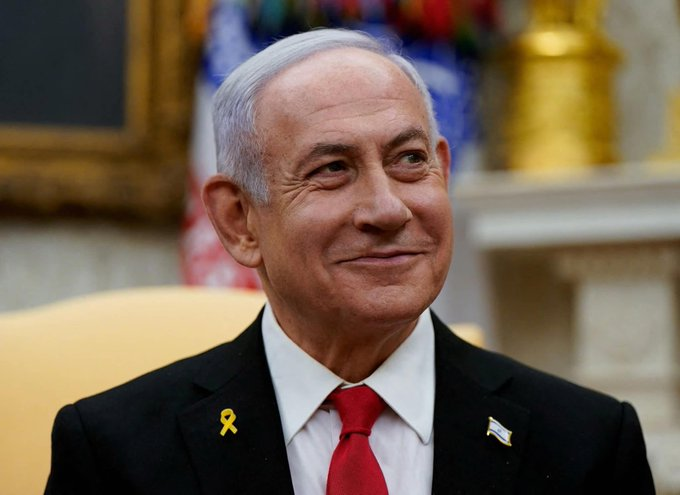
Israeli Prime Minister Benjamin Netanyahu has stated that recent U.S.-Israeli strikes on Iranian targets successfully prevented Tehran from developing nuclear weapons, warning that failure to act would have meant “the end of the Jewish people.”
In a strongly worded address, Netanyahu described the military operation as a necessary and decisive step to eliminate an existential threat to Israel and the Jewish people worldwide.
Map highlighting key areas in Iran reportedly targeted during the recent U.S.-Israeli strikes, including nuclear-related and military sites.
Netanyahu’s Full Statement
Speaking to Israeli media and in a public address, the Prime Minister said:
“The strikes we carried out, together with our allies, prevented Iran from developing nuclear weapons. Had we not acted, it would have meant the end of the Jewish people.”
Netanyahu emphasized that Iran’s nuclear program had reached a critical stage where breakout time — the period needed to produce enough fissile material for a bomb — had shrunk dramatically. He credited the coordinated strikes with destroying key facilities, centrifuges, and related infrastructure, setting back Iran’s ambitions by years.
He further warned that a nuclear-armed Iran would not only threaten Israel but could embolden proxy groups across the region and destabilize the broader Middle East.
Context of the Strikes
The comments come amid ongoing U.S.-Israeli military operations against Iranian targets that began in late February/early March 2026. Strikes reportedly focused on nuclear sites (including Natanz and Fordow), missile production facilities, and air defense systems. Iranian officials have acknowledged damage to several sites but dispute the extent of the setback to their nuclear program.
U.S. and Israeli intelligence assessments had long warned that Iran was approaching or had crossed key thresholds in its uranium enrichment and weaponization efforts. The recent campaign was framed by both governments as a preemptive measure to prevent Iran from acquiring nuclear weapons capability.
This latest statement from Netanyahu reinforces Israel’s long-standing policy of preventing any hostile neighbor from obtaining nuclear weapons — a doctrine often referred to as the “Begin Doctrine,” named after former Prime Minister Menachem Begin’s 1981 strike on Iraq’s Osirak reactor.
Reactions and International Implications
- Iran: Iranian leaders have condemned the strikes as “aggression” and vowed retaliation, while claiming their nuclear program remains intact and will continue.
- United States: The Trump administration has backed the operation, describing it as essential for regional and global security.
- International Community: The strikes have sparked debate over the legality and effectiveness of preemptive military action against nuclear programs, with calls from some quarters for renewed diplomacy.
The comments also come as fragile ceasefires hold in other parts of the region, including the 10-day Israel-Lebanon truce, raising questions about the broader impact on Middle East stability.
Why This Matters
Netanyahu’s dramatic warning underscores the existential lens through which Israel views the Iranian nuclear threat. For Israel, preventing a nuclear-armed Iran is not just a security issue but a matter of national survival. The statement is likely intended to justify the scale of the recent military campaign both domestically and internationally.
At the same time, the rhetoric risks further escalation, as Iran continues to assert its right to a peaceful nuclear program while threatening retaliation.
Reflecto News will continue monitoring developments in the U.S.-Israel-Iran conflict, any Iranian responses, and the status of Iran’s nuclear program.
Frequently Asked Questions (FAQs)
What did Netanyahu say about the strikes on Iran?
He claimed the strikes prevented Iran from developing nuclear weapons and warned that inaction would have meant “the end of the Jewish people.”
When were the strikes carried out?
The major U.S.-Israeli strikes on Iranian targets began in late February/early March 2026, with additional operations reported in the following weeks.
What targets were hit?
Strikes focused on nuclear facilities (such as Natanz and Fordow), missile production sites, and air defense systems. Iranian officials have acknowledged damage but dispute the overall impact.
How has Iran responded?
Iran has condemned the strikes as aggression, vowed retaliation, and insisted its nuclear program remains operational despite the attacks.
What is the current status of Iran’s nuclear program?
Intelligence assessments suggest the program suffered a significant setback, but exact details remain disputed. Iran maintains it has the right to peaceful nuclear technology.
For ongoing coverage of the Israel-Iran conflict, nuclear developments, and Middle East security, stay with Reflecto News — delivering accurate, timely, and balanced reporting.
All information is based on official statements from Prime Minister Netanyahu, Israeli government sources, and verified international reporting as of April 19, 2026.
Questions people ask
What is China's current share of global manufacturing?
China now accounts for twenty eight percent of global manufacturing. This industrial output exceeds the combined manufacturing production of the United States, Japan, and Germany, making China the leading global industrial power according to recent reports.
Why were Andrew Tate and Tristan Tate arrested in Miami?
Andrew Tate and his brother Tristan Tate were taken into custody in Miami by the United States Marshals Service. They face thirty eight new charges in the United Kingdom, including rape and child pornography offences, and prosecutors are seeking their extradition.
What warning did Moscow issue about oil prices?
Kirill Dmitriev, the Chief Executive of the Russian Direct Investment Fund, warned that a tsunami of skyrocketing oil prices is approaching. Moscow describes this potential energy shock as a major threat to global markets.
What political shift is projected for Benjamin Netanyahu's coalition?
Political polls project that Prime Minister Benjamin Netanyahu's coalition is on track to lose its majority in the upcoming October election. This projection indicates a potential political shift in Jerusalem.
Why did a Russian military aircraft land in Tehran?
A Russian airborne command aircraft, widely known as a doomsday plane, landed in Tehran. The arrival of the aircraft represents a high stakes show of support from Russia for Iran during a period of heightened regional tensions.
What did President Masoud Pezeshkian claim about the United States and Israel?
Iranian President Masoud Pezeshkian claimed that the United States and Israel failed in a forty eight hour plan to topple the Iranian government. He made these statements during a televised address marking two years since his inauguration.