Reflecto News is an online news platform covering major international political events, global economic developments, and security conflicts. The site provides updates on topics such as Chinese manufacturing dominance, Middle Eastern political tensions, and high profile legal arrests. Readers can access current articles organized by categories like World News, Iran, and USA.
Senior Official Emphasizes Continued Military Presence in Southern Lebanon During 10-Day Ceasefire, Signaling Limited Withdrawal and Ongoing Operations
By Reflecto News Staff
April 17, 2026
Israeli Defense Minister Israel Katz has stated that the Israel Defense Forces (IDF) will maintain control over all areas it has “cleared and captured” in southern Lebanon, declaring that the ground maneuver and strikes against Hezbollah “have achieved many accomplishments, but they are not yet complete.”
The remarks, made on April 17, come just one day after the US-brokered 10-day ceasefire between Israel and Lebanon took effect, raising immediate questions about the scope and durability of the truce.
Katz’s statement underscores Israel’s position that it will not fully withdraw from positions seized during recent operations, citing ongoing security needs against Hezbollah and other threats.
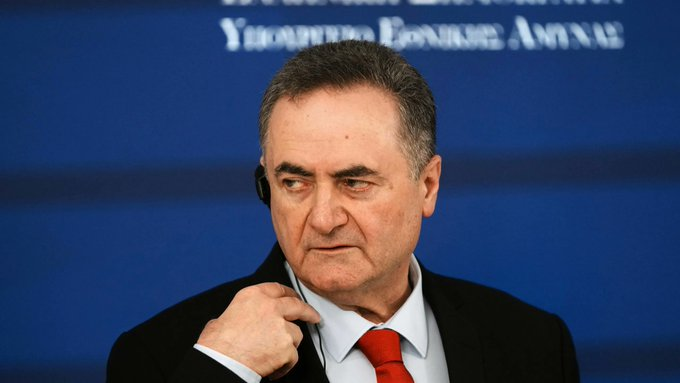
Israeli Defense Minister Israel Katz addressing security matters related to the Lebanon operation.
Katz’s Full Position
In his comments, Katz stressed:
- The IDF “holds and will continue to hold” all territories it has cleared in southern Lebanon.
- The ground incursion and extensive airstrikes have delivered significant blows to Hezbollah’s capabilities.
- However, the mission remains incomplete, implying that further action or sustained presence may be necessary.
- Israel will not accept a situation that allows Hezbollah to rearm or threaten Israeli communities along the border.
This stance aligns with earlier statements from Israeli Prime Minister Benjamin Netanyahu, who confirmed that Israeli forces would remain in certain strategic positions in southern Lebanon for defensive purposes during the ceasefire period.
Ceasefire Context and Potential Tensions
The 10-day truce, which began at midnight Beirut time on April 17, was announced by US President Donald Trump as a step toward longer-term negotiations. It includes provisions for Lebanon to assert greater control over its territory and prevent attacks on Israel, while preserving Israel’s right to self-defense against imminent threats.
However, Katz’s declaration that captured areas will be retained suggests Israel interprets the ceasefire narrowly — allowing continued defensive operations and maintenance of a security buffer zone, rather than an immediate or complete withdrawal.
Lebanese officials and Hezbollah have expressed concerns that such positions could undermine the spirit of the truce and complicate talks aimed at implementing UN Security Council Resolution 1701, which calls for the full withdrawal of non-state armed groups from southern Lebanon and deployment of the Lebanese army.
Map of southern Lebanon highlighting areas of recent Israeli ground operations and current IDF presence near the border.
Strategic and Humanitarian Impact
- Israeli Perspective: Maintaining cleared zones is seen as essential to prevent Hezbollah from regrouping and launching future attacks on northern Israeli communities.
- Lebanese Perspective: Retaining captured territory is viewed by many as a violation of sovereignty, potentially delaying the return of displaced civilians and hindering reconstruction efforts.
- Humanitarian Concerns: Over one million Lebanese remain displaced. While some returns have begun, uncertainty over the ceasefire’s terms and possible continued Israeli presence could slow the process and complicate aid delivery.
The coming days will test whether the truce holds or if differing interpretations lead to renewed friction.
Frequently Asked Questions (FAQs)
Q1: What did Defense Minister Israel Katz say exactly?
A: He stated that the IDF holds and will continue to hold all areas it has cleared and captured in Lebanon, noting that the ground maneuver and strikes against Hezbollah have achieved significant results but are “not yet complete.”
Q2: Does this mean Israel will not withdraw from southern Lebanon?
A: Katz’s comments indicate that Israel intends to maintain control over territories it has secured, at least during the initial ceasefire period, rather than conducting a full immediate withdrawal.
Q3: How does this relate to the 10-day ceasefire?
A: The ceasefire halts major offensive operations but preserves Israel’s right to self-defense. Retaining captured areas appears consistent with Israel’s interpretation of defensive positioning during the truce.
Q4: What is the Lebanese reaction?
A: Lebanese officials have expressed concern that continued Israeli presence could undermine sovereignty and the goals of UN Resolution 1701, which calls for the Lebanese state to control southern Lebanon.
Q5: What is the strategic importance of these areas?
A: The captured zones create a buffer along the Israel-Lebanon border, aimed at preventing Hezbollah from positioning near Israeli communities and launching attacks.
Q6: Could this lead to ceasefire violations?
A: Differing interpretations of the truce terms raise the risk of incidents. Both sides will need to exercise restraint and clarify rules of engagement to prevent escalation during the 10-day window.
Reflecto News Analysis
Defense Minister Israel Katz’s firm declaration that the IDF will retain all captured areas in southern Lebanon reveals a significant gap between the announced ceasefire and the practical expectations of the two sides. While the truce has brought immediate relief and allowed some displaced Lebanese to begin returning home, Israel’s insistence on holding cleared territory suggests the agreement is more a temporary pause than a comprehensive de-escalation.
This position strengthens Israel’s negotiating leverage ahead of potential White House talks but risks complicating Lebanon’s efforts to reassert sovereignty and implement UN Resolution 1701. The coming days will be critical: if the ceasefire holds despite these differences, it could open the door to longer-term negotiations. If not, the fragile truce may collapse, reigniting broader conflict.
As international mediators push for clarity and compliance, the balance between Israeli security needs and Lebanese territorial integrity will define whether this 10-day window leads to lasting peace or renewed confrontation.
For the latest updates on the Israel-Lebanon ceasefire, IDF operations in southern Lebanon, and diplomatic efforts, stay tuned to Reflecto News — your trusted source for accurate, timely international coverage.
Related Coverage:
- Israel-Lebanon 10-Day Ceasefire: Terms, Reactions, and Risks
- UN Resolution 1701: Implementation Challenges in Southern Lebanon
- Humanitarian Situation: Returns of Displaced Lebanese and Reconstruction Needs
Images used for illustrative purposes from public and news sources.
Questions people ask
What is China's current share of global manufacturing?
China now accounts for twenty eight percent of global manufacturing. This industrial output exceeds the combined manufacturing production of the United States, Japan, and Germany, making China the leading global industrial power according to recent reports.
Why were Andrew Tate and Tristan Tate arrested in Miami?
Andrew Tate and his brother Tristan Tate were taken into custody in Miami by the United States Marshals Service. They face thirty eight new charges in the United Kingdom, including rape and child pornography offences, and prosecutors are seeking their extradition.
What warning did Moscow issue about oil prices?
Kirill Dmitriev, the Chief Executive of the Russian Direct Investment Fund, warned that a tsunami of skyrocketing oil prices is approaching. Moscow describes this potential energy shock as a major threat to global markets.
What political shift is projected for Benjamin Netanyahu's coalition?
Political polls project that Prime Minister Benjamin Netanyahu's coalition is on track to lose its majority in the upcoming October election. This projection indicates a potential political shift in Jerusalem.
Why did a Russian military aircraft land in Tehran?
A Russian airborne command aircraft, widely known as a doomsday plane, landed in Tehran. The arrival of the aircraft represents a high stakes show of support from Russia for Iran during a period of heightened regional tensions.
What did President Masoud Pezeshkian claim about the United States and Israel?
Iranian President Masoud Pezeshkian claimed that the United States and Israel failed in a forty eight hour plan to topple the Iranian government. He made these statements during a televised address marking two years since his inauguration.