
Reflecto News is an online news platform covering major international political events, global economic developments, and security conflicts. The site provides updates on topics such as Chinese manufacturing dominance, Middle Eastern political tensions, and high profile legal arrests. Readers can access current articles organized by categories like World News, Iran, and USA.
A new report reveals that at least 34 oil tankers linked to Iran have successfully bypassed a U.S.-led naval blockade, raising serious questions about the effectiveness of sanctions and maritime enforcement by the United States.
📌 Breaking News Overview
According to reports citing the Financial Times and maritime tracking firm Vortexa, a total of 34 Iran-linked vessels have managed to cross blockade lines since enforcement began earlier this month. (ایران اینترنشنال | Iran International)
- 19 tankers exited the Persian Gulf
- 15 tankers entered toward Iran
- At least 6 vessels carried crude oil
These shipments included approximately 10.7 million barrels of oil, generating an estimated $910 million in revenue despite heavy sanctions. (ایران اینترنشنال | Iran International)
🚢 How Tankers Are Evading the Blockade
Experts say Iran is relying on a so-called “shadow fleet” — a network of vessels designed to bypass international monitoring systems.
Common tactics include:
- Turning off tracking systems (AIS transponders)
- Conducting ship-to-ship oil transfers
- Using complex ownership structures to avoid detection
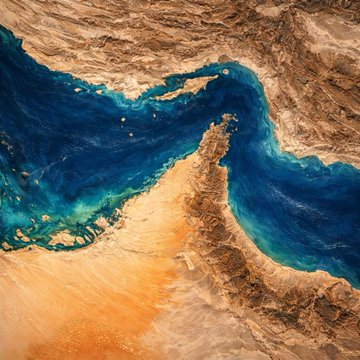
This strategy allows tankers to move through critical routes like the Strait of Hormuz, one of the world’s most important oil transit chokepoints.
🌍 Why This Matters Globally
The development carries major implications for global energy markets and geopolitical stability.
Key Impacts:
- Sanctions Effectiveness Questioned: The U.S. blockade aimed to choke Iran’s oil exports, but these breaches highlight enforcement gaps
- Energy Markets Stabilized (Short-Term): Continued oil flow may ease supply concerns
- Rising Geopolitical Tensions: The situation could escalate tensions in the Middle East
The U.S. has reportedly intercepted some vessels and forced dozens to turn back, but not enough to fully stop the flow. (The Express Tribune)
⚖️ Geopolitical Context
The blockade is part of broader pressure by the United States to curb Iran’s oil exports and influence its political and military strategies. However, Iran’s ability to continue exporting oil suggests resilience and adaptability.
Meanwhile, maritime tensions in the region remain high, with both sides increasing military presence and enforcement actions.
📊 Key Facts at a Glance
- Total tankers bypassing blockade: 34
- Oil transported: 10.7 million barrels
- Estimated revenue: $910 million
- Region affected: Persian Gulf / Strait of Hormuz
- Enforcement authority: United States
❓ Frequently Asked Questions (FAQs)
1. What is the U.S. blockade on Iran?
It is a naval enforcement effort aimed at restricting Iran’s oil exports and limiting its economic resources.
2. How did the tankers bypass the blockade?
They used tactics like disabling tracking systems and operating through a “shadow fleet.”
3. Does this weaken U.S. sanctions?
Yes, it exposes loopholes and challenges in enforcing maritime restrictions.
4. Will oil prices be affected?
Potentially. Continued Iranian exports could stabilize or slightly reduce price pressure in global markets.
5. Is the situation escalating?
Yes, tensions in the region remain high, with ongoing military and economic confrontations.
📝 Conclusion
The revelation that dozens of Iran-linked tankers have bypassed a major U.S. blockade underscores the complexity of enforcing sanctions in today’s interconnected global system. While Washington continues its efforts to limit Tehran’s oil revenues, Iran’s ability to adapt highlights a persistent challenge for policymakers.
As this situation evolves, the global energy market—and geopolitical stability—will remain closely tied to developments in this critical region.
Questions people ask
What is China's current share of global manufacturing?
China now accounts for twenty eight percent of global manufacturing. This industrial output exceeds the combined manufacturing production of the United States, Japan, and Germany, making China the leading global industrial power according to recent reports.
Why were Andrew Tate and Tristan Tate arrested in Miami?
Andrew Tate and his brother Tristan Tate were taken into custody in Miami by the United States Marshals Service. They face thirty eight new charges in the United Kingdom, including rape and child pornography offences, and prosecutors are seeking their extradition.
What warning did Moscow issue about oil prices?
Kirill Dmitriev, the Chief Executive of the Russian Direct Investment Fund, warned that a tsunami of skyrocketing oil prices is approaching. Moscow describes this potential energy shock as a major threat to global markets.
What political shift is projected for Benjamin Netanyahu's coalition?
Political polls project that Prime Minister Benjamin Netanyahu's coalition is on track to lose its majority in the upcoming October election. This projection indicates a potential political shift in Jerusalem.
Why did a Russian military aircraft land in Tehran?
A Russian airborne command aircraft, widely known as a doomsday plane, landed in Tehran. The arrival of the aircraft represents a high stakes show of support from Russia for Iran during a period of heightened regional tensions.
What did President Masoud Pezeshkian claim about the United States and Israel?
Iranian President Masoud Pezeshkian claimed that the United States and Israel failed in a forty eight hour plan to topple the Iranian government. He made these statements during a televised address marking two years since his inauguration.