Reflecto News is an online news platform covering major international political events, global economic developments, and security conflicts. The site provides updates on topics such as Chinese manufacturing dominance, Middle Eastern political tensions, and high profile legal arrests. Readers can access current articles organized by categories like World News, Iran, and USA.
Huge numbers of vessels remain stranded or backed up in and around the Strait of Hormuz, with shipping traffic still severely restricted despite the fragile 2-week US-Iran ceasefire. The backlog, affecting hundreds of ships and thousands of crew members, underscores the ongoing disruption to one of the world’s most critical energy chokepoints and adds pressure to high-level talks scheduled in Pakistan this weekend.
By Reflecto News Desk
April 9, 2026 | Dubai / Tehran / Washington
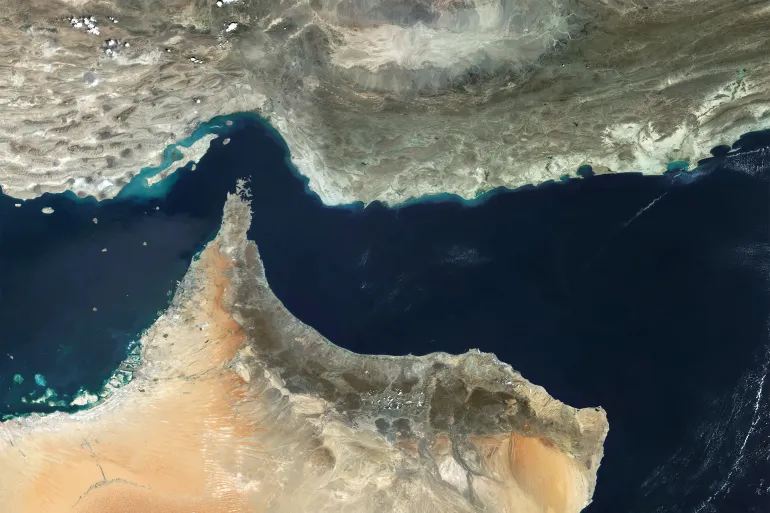
The Strait of Hormuz, which normally handles about 20% of global LNG trade and 30% of seaborne oil, has seen traffic drop dramatically since the escalation of the US-Israel-Iran conflict. While a handful of vessels from select countries (such as French, Iraqi, Japanese, Greek, and Liberian-flagged ships) have been granted passage under Iranian coordination or exemptions, the vast majority of commercial shipping remains stalled. Reports indicate significant congestion on both sides of the strait, with vessels loitering, turning back, or unable to proceed due to Iranian restrictions, safety concerns, insurance issues, and selective approvals.
This maritime bottleneck persists even as the ceasefire — repeatedly described as “shaky” and “in doubt” by Reuters and lacking a formal written agreement per CNN — faces fresh challenges.
Reasons Behind the Shipping Backlog
Iran has imposed strict conditions on transits, requiring coordination with its armed forces, official permission, and adherence to designated routes, while exempting certain “non-hostile” or friendly vessels (e.g., Iraqi ships). Enemy-linked or high-risk traffic faces effective blockage, leading to:
- Hundreds of ships stranded in Gulf waters since late February.
- Dramatic reduction in daily transits (down to a tiny fraction of the normal ~135 vessels per day).
- Crews trapped aboard tankers and cargo ships for weeks, with humanitarian concerns rising.
- Widespread rerouting of over 34,000 shipping routes in the early weeks of disruption, according to industry data.
The situation has driven up global oil and gas prices and forced supply chain adjustments worldwide.
Link to Ceasefire Disputes and Diplomatic Efforts
The shipping crisis is deeply intertwined with the broader ceasefire tensions:
- U.S. Vice President JD Vance has confirmed that Lebanon is not included in the agreement, a position Iran rejects as an “excuse to breach” the truce.
- Iranian officials, including Foreign Minister Abbas Araghchi, maintain that the U.S. cannot have both a ceasefire and continued war via Israel.
- Israeli Prime Minister Benjamin Netanyahu continues to demand removal of Iran’s enriched uranium “by agreement or by war.”
- The informal ceasefire has already been tested by an early Iranian missile launch toward Israel and ongoing accusations of violations.
High-level U.S.-Iran talks involving Vance and Steve Witkoff in Pakistan this weekend are now critical for addressing maritime security alongside nuclear and regional issues.
International reactions reflect the stakes:
- Spanish Prime Minister Pedro Sánchez has called for Lebanon’s inclusion and urged suspension of the EU-Israel Association Agreement.
- Italian Prime Minister Giorgia Meloni has highlighted the plight of ordinary civilians.
- Broader context includes reports of Trump considering NATO troop withdrawals from non-supportive allies and Israel potentially awarding him an “Israel Peace Prize.”
Reflecto News will continue monitoring shipping data through the Strait of Hormuz, Iranian transit policies, reactions to the backlog, outcomes of the Pakistan talks, and any signs of de-escalation or further disruption.
FAQs: Massive Shipping Backlog in the Strait of Hormuz
Q1: How many ships are affected?
Hundreds of vessels are reported stuck or diverted, with thousands of crew members stranded. Normal daily traffic has plummeted from around 135 ships to just a handful under strict Iranian controls.
Q2: Why is traffic still restricted despite the ceasefire?
The ceasefire is informal and disputed. Iran requires permission and coordination for transits, exempting only certain countries while blocking others. Disagreements over Lebanon and enforcement have kept the situation tense.
Q3: What is the economic impact?
Disruption to roughly 20-30% of global oil and LNG flows has spiked energy prices, forced rerouting of tens of thousands of shipping routes, and strained global supply chains for energy, chemicals, and other goods.
Q4: How does this connect to the US-Iran ceasefire?
Reopening the strait was a key expectation of the truce, but selective Iranian control and disputes (including over Lebanon) have prevented full resumption, contributing to descriptions of the ceasefire as “shaky.”
Q5: What happens next?
The Vance-Witkoff talks in Pakistan are pivotal. Progress on maritime rules, Lebanon’s status, and enriched uranium could ease the backlog; failure risks renewed escalation and prolonged disruptions.
Sources: Reuters, CNN, shipping industry reports (Lloyd’s List, project44), Iranian official statements, and cross-referenced coverage as of April 9, 2026. Maritime disruptions in conflict zones can evolve rapidly based on diplomatic and security developments; the situation remains highly volatile with significant global implications.
Questions people ask
What is China's current share of global manufacturing?
China now accounts for twenty eight percent of global manufacturing. This industrial output exceeds the combined manufacturing production of the United States, Japan, and Germany, making China the leading global industrial power according to recent reports.
Why were Andrew Tate and Tristan Tate arrested in Miami?
Andrew Tate and his brother Tristan Tate were taken into custody in Miami by the United States Marshals Service. They face thirty eight new charges in the United Kingdom, including rape and child pornography offences, and prosecutors are seeking their extradition.
What warning did Moscow issue about oil prices?
Kirill Dmitriev, the Chief Executive of the Russian Direct Investment Fund, warned that a tsunami of skyrocketing oil prices is approaching. Moscow describes this potential energy shock as a major threat to global markets.
What political shift is projected for Benjamin Netanyahu's coalition?
Political polls project that Prime Minister Benjamin Netanyahu's coalition is on track to lose its majority in the upcoming October election. This projection indicates a potential political shift in Jerusalem.
Why did a Russian military aircraft land in Tehran?
A Russian airborne command aircraft, widely known as a doomsday plane, landed in Tehran. The arrival of the aircraft represents a high stakes show of support from Russia for Iran during a period of heightened regional tensions.
What did President Masoud Pezeshkian claim about the United States and Israel?
Iranian President Masoud Pezeshkian claimed that the United States and Israel failed in a forty eight hour plan to topple the Iranian government. He made these statements during a televised address marking two years since his inauguration.