Reflecto News is an online news platform covering major international political events, global economic developments, and security conflicts. The site provides updates on topics such as Chinese manufacturing dominance, Middle Eastern political tensions, and high profile legal arrests. Readers can access current articles organized by categories like World News, Iran, and USA.
Reflecto News
Balanced reporting on international diplomacy surrounding the US-Iran two-week ceasefire and high-stakes negotiations
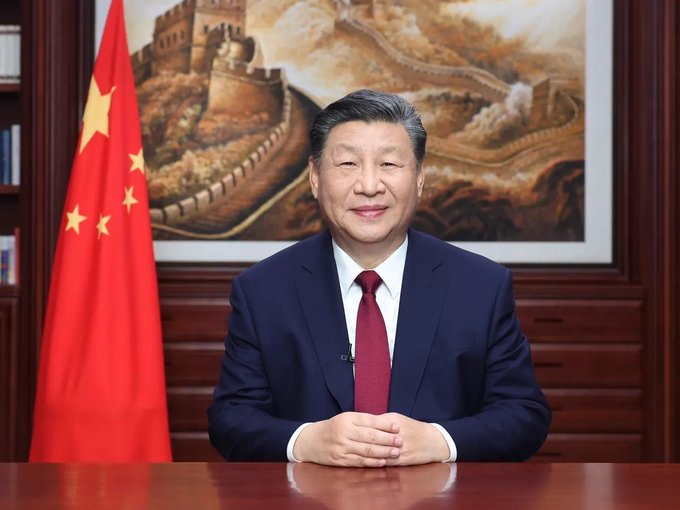
China has reaffirmed its commitment to actively support peace efforts in the Middle East, stating it will continue to “play a constructive role” in restoring stability following the announcement of a two-week ceasefire between the United States and Iran. The declaration comes from Chinese Foreign Ministry spokespeople, including Mao Ning, who emphasized Beijing’s objective, just, and balanced position since the conflict began.
This latest statement aligns with President Donald Trump’s comments crediting China with helping persuade Iran to engage in negotiations for the ceasefire. It also underscores China’s growing diplomatic footprint in the region as high-level talks approach in Islamabad, Pakistan.
China’s Stated Position on the Ceasefire
In recent press briefings, Chinese officials have repeatedly called for an immediate ceasefire, protection of maritime routes including the Strait of Hormuz, and a return to dialogue. Spokesperson Mao Ning noted that China has been working to help bring about a ceasefire and end to the conflict, adding that Beijing stands ready to enhance communication and coordination with all parties to restore peace and stability.
China has welcomed efforts conducive to peace, including Pakistan’s mediation, and expressed hope that relevant parties will “seize the opportunity for peace” and bridge differences through dialogue. As a permanent member of the UN Security Council and a major responsible country, Beijing positions itself as a proponent of de-escalation rather than escalation.
China’s Role in Recent Diplomacy
- Support for Mediation: China has collaborated with Pakistan on initiatives, including elements of a five-point plan aimed at achieving a ceasefire and reopening the Strait of Hormuz. Pakistani and Chinese officials have coordinated closely, with Beijing providing diplomatic backing to Islamabad’s facilitation efforts.
- Economic Interests: As Iran’s largest trading partner and a major importer of Middle Eastern oil, China has strong incentives to ensure regional stability and secure energy supply lines. Disruptions in the Strait of Hormuz directly impact global markets and Chinese imports.
- Quiet Encouragement: Reports, including those referenced by President Trump and AP sources, indicate Chinese officials urged Iran toward a negotiated path during critical moments leading to the two-week truce.
China has also engaged with other international actors, including the EU and Germany, to promote a prompt end to hostilities and safe passage through key waterways.
Link to the US-Iran Ceasefire Framework
The fragile two-week ceasefire includes the US suspending offensive operations against Iran in exchange for Tehran permitting safe, coordinated commercial shipping through the Strait of Hormuz. Negotiations, potentially involving high-level US figures such as Vice President JD Vance, are set to begin in Islamabad with Pakistani mediation.
Key issues on the table include:
- US demands for Iran to remove all nuclear material, end uranium enrichment, and curb its ballistic missile program.
- Iran’s 10-point proposal seeking sanctions relief, recognition of enrichment rights, and security guarantees.
China’s constructive stance could help facilitate dialogue, though deep divisions remain. Israel continues operations in Lebanon, which Prime Minister Benjamin Netanyahu has explicitly excluded from the ceasefire.
Broader Implications
China’s renewed pledge highlights the multipolar nature of current Middle East diplomacy, involving the US, Pakistan, China, and regional players. A successful permanent agreement could stabilize energy markets, reduce global oil price volatility, and open avenues for reconstruction.
However, ongoing missile exchanges between Iran and Israel, the lack of a confirmed ceasefire start time, and differing interpretations of the truce’s scope (particularly regarding Lebanon) pose risks to progress.
Reactions
- United States: President Trump has acknowledged China’s helpful role in bringing Iran to the table, framing the ceasefire as a step toward a potential “Golden Age of the Middle East.”
- Iran: Tehran has welcomed pauses that allow for comprehensive resolutions aligned with its interests.
- Pakistan: As the primary host and mediator, Islamabad continues to facilitate talks and appreciates international support, including from China.
- Global Markets: Expectations of Strait of Hormuz reopening have contributed to easing oil prices, though uncertainty lingers.
What Happens Next?
US and Iranian delegations are preparing for in-person negotiations in Islamabad. China’s offer to play a constructive role may translate into continued backchannel support or coordination with mediators. The two-week window remains critical — any breakthroughs on nuclear, missile, and sanctions issues could extend the truce or lead to a lasting deal.
Reflecto News will provide ongoing updates on diplomatic developments, military postures, and the economic fallout from the conflict.
FAQs: China’s Constructive Role in the Middle East Peace Efforts
Q1: What did China say about its role in the Middle East?
China stated it will continue to “play a constructive role” in restoring peace, emphasizing an objective and balanced approach to promoting ceasefire, dialogue, and stability.
Q2: Has China helped in the US-Iran ceasefire?
President Trump believes China encouraged Iran to negotiate, and Chinese officials have confirmed ongoing efforts to support de-escalation and peace talks.
Q3: What is China’s main interest in the region?
Protecting energy imports, ensuring safe passage through the Strait of Hormuz, and promoting stability to safeguard economic ties, particularly with Iran.
Q4: How does this fit with upcoming talks?
China’s stance supports the Islamabad negotiations and could complement Pakistan’s mediation as the US and Iran address nuclear issues, sanctions, and regional security.
Q5: Does the ceasefire include Lebanon?
No, according to Israeli Prime Minister Netanyahu. Operations against Hezbollah continue independently.
Q6: What is the status of the Strait of Hormuz?
Iran has committed to safe, coordinated shipping during the ceasefire, a key condition that could help stabilize global energy markets if implemented smoothly.
China’s consistent messaging on peace reflects its broader foreign policy emphasis on dialogue over confrontation. Reflecto News will keep you updated as the situation develops in Islamabad and across the Middle East.
Questions people ask
What is China's current share of global manufacturing?
China now accounts for twenty eight percent of global manufacturing. This industrial output exceeds the combined manufacturing production of the United States, Japan, and Germany, making China the leading global industrial power according to recent reports.
Why were Andrew Tate and Tristan Tate arrested in Miami?
Andrew Tate and his brother Tristan Tate were taken into custody in Miami by the United States Marshals Service. They face thirty eight new charges in the United Kingdom, including rape and child pornography offences, and prosecutors are seeking their extradition.
What warning did Moscow issue about oil prices?
Kirill Dmitriev, the Chief Executive of the Russian Direct Investment Fund, warned that a tsunami of skyrocketing oil prices is approaching. Moscow describes this potential energy shock as a major threat to global markets.
What political shift is projected for Benjamin Netanyahu's coalition?
Political polls project that Prime Minister Benjamin Netanyahu's coalition is on track to lose its majority in the upcoming October election. This projection indicates a potential political shift in Jerusalem.
Why did a Russian military aircraft land in Tehran?
A Russian airborne command aircraft, widely known as a doomsday plane, landed in Tehran. The arrival of the aircraft represents a high stakes show of support from Russia for Iran during a period of heightened regional tensions.
What did President Masoud Pezeshkian claim about the United States and Israel?
Iranian President Masoud Pezeshkian claimed that the United States and Israel failed in a forty eight hour plan to topple the Iranian government. He made these statements during a televised address marking two years since his inauguration.