Reflecto News is an online news platform covering major international political events, global economic developments, and security conflicts. The site provides updates on topics such as Chinese manufacturing dominance, Middle Eastern political tensions, and high profile legal arrests. Readers can access current articles organized by categories like World News, Iran, and USA.
Reflecto News
April 15, 2026
Chinese Premier Li Qiang has reaffirmed Beijing’s willingness to actively support peace efforts in the ongoing US-Israel-Iran conflict, stating that China is ready to “further play a constructive role” and contribute to restoring peace and tranquility in the Gulf region.
The remarks were made on April 13 during a meeting in Beijing with Sheikh Khaled bin Mohamed bin Zayed Al Nahyan, Crown Prince of Abu Dhabi and Deputy Supreme Commander of the UAE Armed Forces. Premier Li noted that since the conflict erupted in late February 2026, China has maintained close communication with all relevant parties and worked actively to promote de-escalation and an end to hostilities.
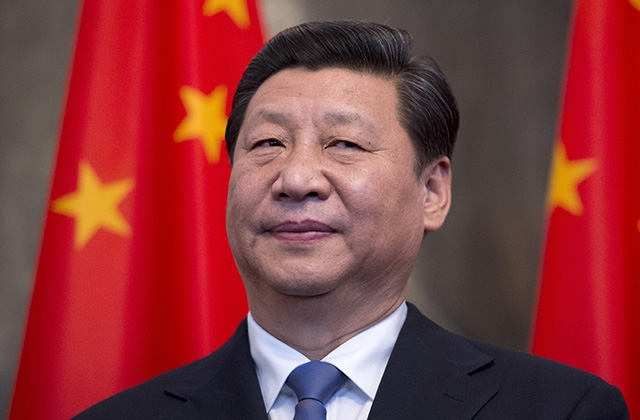
President Xi Jinping echoed this stance in separate talks with the UAE Crown Prince, underscoring China’s “principled position of promoting peace and dialogue” and pledging to continue playing a constructive role in the Middle East.
China’s Position on the Iran Conflict
Premier Li Qiang highlighted China’s consistent diplomatic engagement since the outbreak of hostilities between the US-Israel alliance and Iran. Beijing has repeatedly called for:
- An immediate ceasefire
- Respect for sovereignty and territorial integrity
- Resolution of disputes through dialogue and negotiation rather than military force
- Protection of international shipping lanes, particularly the Strait of Hormuz, which is critical for global energy supplies
China has opposed unilateral military actions and the US-led blockade of Iranian ports, describing such measures as destabilizing and harmful to regional and global stability. Officials have stressed that war and force cannot solve underlying issues and will only create new problems.
Diplomatic Efforts So Far
Since the conflict began, China has:
- Conducted intensive high-level contacts, including multiple calls by Foreign Minister Wang Yi with counterparts from the US, Iran, Gulf states, and others.
- Supported mediation initiatives, including the recent Islamabad Talks hosted by Pakistan (in which China played a supportive role).
- Sent its Special Envoy on the Middle East Issue, Zhai Jun, to the region to push for de-escalation.
- Co-proposed initiatives with partners emphasizing political settlement of the Iranian nuclear issue and broader Gulf security.
Beijing has also coordinated with Oman and other regional actors involved in backchannel diplomacy.
Strategic Interests Driving China’s Stance
As one of Iran’s largest trading partners and a major importer of Gulf energy, China has significant stakes in regional stability. Disruptions in the Strait of Hormuz — through which roughly one-fifth of global oil passes — have already contributed to higher energy prices and supply concerns.
China’s approach reflects its broader foreign policy principles:
- Opposition to unilateral use of force
- Support for multipolar diplomacy and multilateral institutions like the UN
- Promotion of dialogue as the path to sustainable solutions
- Protection of Chinese citizens, investments, and economic projects in the region (including in the UAE and other Gulf states)
Analysts note that Beijing positions itself as a responsible major power offering an alternative to what it sees as destabilizing Western-led interventions.
Reactions and Broader Context
The UAE, a key Gulf player with strong ties to both China and the West, welcomed China’s engagement. Spain’s Prime Minister Pedro Sánchez, during his recent visit to Beijing, explicitly encouraged greater Chinese diplomatic involvement in resolving the Iran conflict and related Middle East tensions.
This comes amid a fragile two-week ceasefire following the Islamabad-mediated talks, with ongoing indirect efforts to achieve a more permanent resolution. China has reiterated its readiness to work with all parties, including at the UN Security Council, to prevent further escalation.
Reflecto News will continue monitoring China’s diplomatic moves, developments in the Iran conflict, and their impact on global energy markets and regional security.
Frequently Asked Questions (FAQs)
Q1: What exactly did Chinese Premier Li Qiang say about the Iran conflict?
Premier Li Qiang stated that China is ready to further play a constructive role and contribute to the restoration of peace and tranquility in the Gulf region. He emphasized China’s active communication with all parties since the conflict began.
Q2: Did President Xi Jinping also comment on the issue?
Yes. In meetings with the UAE Crown Prince, President Xi reiterated China’s commitment to promoting peace and dialogue and vowed to continue playing a constructive role in the Middle East.
Q3: How has China been involved diplomatically so far?
China has conducted intensive outreach, supported the Islamabad Talks, sent a special envoy to the region, and backed calls for ceasefire and political dialogue while opposing military escalation and blockades.
Q4: Why is China interested in mediating or supporting peace in the Iran conflict?
China seeks regional stability to protect its energy imports, trade routes (especially the Strait of Hormuz), overseas investments, and citizens in the Gulf. It also promotes its vision of multipolar diplomacy based on dialogue rather than force.
Q5: Has China criticized the US or Israel actions?
China has opposed unilateral military strikes and the blockade of Iranian ports, calling them violations of international law that risk wider escalation. It advocates respecting sovereignty and resolving issues through negotiation.
Q6: What is the current status of the Iran conflict?
A fragile two-week ceasefire is in place following mediated talks, but tensions remain high with ongoing diplomatic efforts for a lasting resolution involving the Strait of Hormuz and broader security arrangements.
Q7: How does this fit into China’s wider Middle East policy?
It aligns with Beijing’s long-standing approach of engaging all parties, supporting political settlements (including on the Iranian nuclear issue), and positioning itself as a stabilizing force in a multipolar world.
For ongoing coverage of the Iran conflict, China’s foreign policy, and regional diplomacy, stay tuned to Reflecto News — delivering timely, accurate, and balanced international reporting.
Questions people ask
What is China's current share of global manufacturing?
China now accounts for twenty eight percent of global manufacturing. This industrial output exceeds the combined manufacturing production of the United States, Japan, and Germany, making China the leading global industrial power according to recent reports.
Why were Andrew Tate and Tristan Tate arrested in Miami?
Andrew Tate and his brother Tristan Tate were taken into custody in Miami by the United States Marshals Service. They face thirty eight new charges in the United Kingdom, including rape and child pornography offences, and prosecutors are seeking their extradition.
What warning did Moscow issue about oil prices?
Kirill Dmitriev, the Chief Executive of the Russian Direct Investment Fund, warned that a tsunami of skyrocketing oil prices is approaching. Moscow describes this potential energy shock as a major threat to global markets.
What political shift is projected for Benjamin Netanyahu's coalition?
Political polls project that Prime Minister Benjamin Netanyahu's coalition is on track to lose its majority in the upcoming October election. This projection indicates a potential political shift in Jerusalem.
Why did a Russian military aircraft land in Tehran?
A Russian airborne command aircraft, widely known as a doomsday plane, landed in Tehran. The arrival of the aircraft represents a high stakes show of support from Russia for Iran during a period of heightened regional tensions.
What did President Masoud Pezeshkian claim about the United States and Israel?
Iranian President Masoud Pezeshkian claimed that the United States and Israel failed in a forty eight hour plan to topple the Iranian government. He made these statements during a televised address marking two years since his inauguration.