
Reflecto News is an online news platform covering major international political events, global economic developments, and security conflicts. The site provides updates on topics such as Chinese manufacturing dominance, Middle Eastern political tensions, and high profile legal arrests. Readers can access current articles organized by categories like World News, Iran, and USA.
Published on Reflecto News | World News | Diplomacy & Conflict
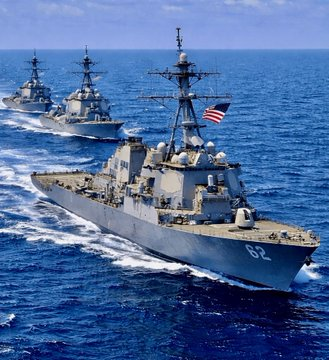
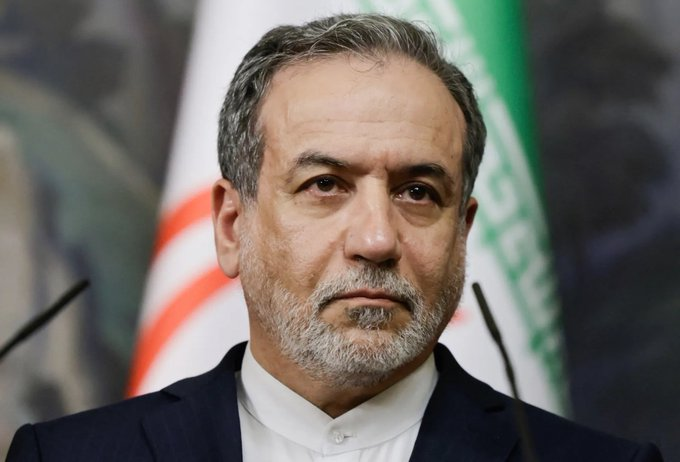
Iran has formally declared that it will not send a delegation for a second round of peace talks with the United States until the US naval blockade of the Strait of Hormuz is lifted. The announcement, made by Iranian Foreign Ministry spokesperson Esmaeil Baghaei, effectively ends hopes for a diplomatic breakthrough before the fragile two-week ceasefire expires on April 22 .
“Iran will not send a delegation to Pakistan for negotiations until the US blockade of the Strait of Hormuz is lifted. The ball is now in the US court.” — Esmaeil Baghaei, Iranian Foreign Ministry Spokesperson
Iran’s Conditions: Lifting the Siege First
Baghaei emphasized that Tehran will not negotiate “under the shadow of threat” or “illegal actions.” The spokesperson referred to the US blockade as “an act of aggression” and “a clear violation of the ceasefire terms brokered by Pakistan.”
“The United States continues its illegal blockade of our waters while expecting us to negotiate. This is not diplomacy; it is coercion. We will not participate in talks under these conditions,” Baghaei said .
Iran’s position represents a significant hardening of its stance. Previously, Tehran had indicated openness to a second round of talks in Islamabad. The reversal appears to be a response to the US seizure of the Iranian cargo ship Touska on April 19 and the continued enforcement of the naval blockade, which began on April 13 .
The US Response: A Chicken-or-Egg Standoff
The White House has rejected Iran’s condition, with President Donald Trump insisting that the blockade will remain until a deal is reached. Trump has warned that if no agreement is secured by the Wednesday deadline, “lots of bombs” will begin to fall .
“The blockade will not end until there is a ‘DEAL’. We have offered a very fair and reasonable deal. They can take it — the nice way — or they can face the hard way.” — President Donald Trump
The impasse has created a classic “chicken-or-egg” standoff: Washington demands Iran reopen the strait and abandon its nuclear ambitions before the blockade ends, while Tehran insists the blockade must be lifted before it will return to the negotiating table .
Why Iran Is Holding Firm
Iran’s refusal to negotiate under the blockade reflects a strategic calculation that the US is the party under greater pressure to reach a deal.
Key factors in Iran’s calculation:
| Factor | Impact |
|---|---|
| Oil exports | Iran’s “shadow fleet” continues to evade the blockade, maintaining revenues |
| Global energy prices | High oil prices benefit Iran’s economy |
| US domestic politics | Rising gasoline prices could pressure Trump in an election year |
| Regional proxies | Hezbollah, Houthis remain operational, giving Iran leverage |
| Nuclear program | Iran retains 60% enriched uranium stockpile, a strategic hedge |
Iran’s position also reflects internal political dynamics. Hardliners, including the Islamic Revolutionary Guard Corps (IRGC), have opposed negotiations under US pressure, and Parliament Speaker Mohammad Bagher Ghalibaf has warned that Iran has prepared “to reveal new cards on the battlefield” .
What Comes Next
With Iran refusing to send a delegation and Trump ruling out a ceasefire extension, the prospects for renewed military action have increased significantly .
| Scenario | Likelihood | Implications |
|---|---|---|
| Ceasefire expires; US resumes strikes | Elevated | Limited strikes on nuclear, military targets |
| Iran retaliates via proxies | Likely | Hezbollah, Houthi attacks intensify |
| Full-scale war resumes | Possible | Both sides preparing |
| Last-minute diplomatic intervention | Unlikely | Would require US to lift blockade |
The Wednesday deadline now represents a critical juncture. Unless one side blinks, the region appears headed for a return to hostilities.
Frequently Asked Questions (FAQs)
1. What condition did Iran set for returning to peace talks?
Iran has declared that it will not send a delegation for negotiations until the United States lifts its naval blockade of the Strait of Hormuz .
2. Why is Iran refusing to negotiate?
Iran views the US blockade as “an act of aggression” and “a clear violation of the ceasefire terms.” Tehran insists it will not negotiate “under the shadow of threat.”
3. Has the US agreed to lift the blockade?
No. President Trump has stated that the blockade will remain until a deal is reached and has warned of renewed bombing if no agreement is secured by the deadline .
4. What is the status of the ceasefire?
The two-week ceasefire brokered by Pakistan is set to expire on April 22, 2026. Trump has stated he does not want to extend it .
5. Will there be a second round of talks in Pakistan?
With Iran refusing to send a delegation, a second round is unlikely unless the US lifts the blockade—a scenario Washington has rejected .
6. What happens when the ceasefire expires?
Trump has warned that “lots of bombs” will begin to fall, signaling a likely return to military hostilities .
Stay informed with Reflecto News – Your trusted source for breaking diplomatic and geopolitical intelligence. Subscribe for real-time updates on the US-Iran crisis, nuclear negotiations, and global security developments.
Questions people ask
What is China's current share of global manufacturing?
China now accounts for twenty eight percent of global manufacturing. This industrial output exceeds the combined manufacturing production of the United States, Japan, and Germany, making China the leading global industrial power according to recent reports.
Why were Andrew Tate and Tristan Tate arrested in Miami?
Andrew Tate and his brother Tristan Tate were taken into custody in Miami by the United States Marshals Service. They face thirty eight new charges in the United Kingdom, including rape and child pornography offences, and prosecutors are seeking their extradition.
What warning did Moscow issue about oil prices?
Kirill Dmitriev, the Chief Executive of the Russian Direct Investment Fund, warned that a tsunami of skyrocketing oil prices is approaching. Moscow describes this potential energy shock as a major threat to global markets.
What political shift is projected for Benjamin Netanyahu's coalition?
Political polls project that Prime Minister Benjamin Netanyahu's coalition is on track to lose its majority in the upcoming October election. This projection indicates a potential political shift in Jerusalem.
Why did a Russian military aircraft land in Tehran?
A Russian airborne command aircraft, widely known as a doomsday plane, landed in Tehran. The arrival of the aircraft represents a high stakes show of support from Russia for Iran during a period of heightened regional tensions.
What did President Masoud Pezeshkian claim about the United States and Israel?
Iranian President Masoud Pezeshkian claimed that the United States and Israel failed in a forty eight hour plan to topple the Iranian government. He made these statements during a televised address marking two years since his inauguration.