Reflecto News is an online news platform covering major international political events, global economic developments, and security conflicts. The site provides updates on topics such as Chinese manufacturing dominance, Middle Eastern political tensions, and high profile legal arrests. Readers can access current articles organized by categories like World News, Iran, and USA.
Published on Reflecto News | World News | Defense & Geopolitics
Iran has dismissed President Donald Trump’s latest threats regarding the Strait of Hormuz as a “bluff,” with senior officials openly mocking the US president’s credibility and the feasibility of a naval blockade. The sharp rebuke came shortly after the Pentagon began enforcing a blockade on Iranian ports, which Tehran insists will be ineffective .
“The US is bluffing. They have no credibility left after failing to achieve their objectives on the battlefield and failing to negotiate a deal. A blockade will not intimidate us.” — Senior Iranian Official
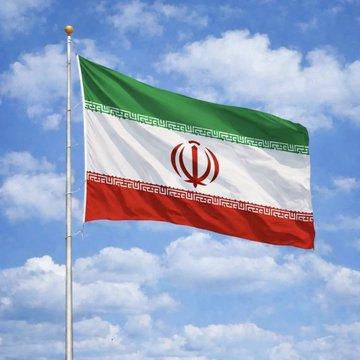
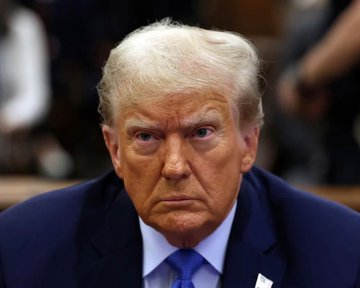
The Bluff Accusation
Iran’s mockery targets the credibility of the US president, whom Tehran views as having failed to achieve his stated war aims after six weeks of fighting.
| Trump Claim | Iran’s Counter |
|---|---|
| Iran’s military is “destroyed” | Iran still operates and threatens the strait |
| Iran’s leadership is “dead” | Supreme Leader wounded but alive and governing |
| The US will “finish up” Iran | Iran remains defiant and operational |
| The blockade will succeed | Iran has evaded sanctions for decades |
Iranian officials point to the collapse of weekend peace talks in Islamabad as evidence that the US cannot dictate terms. Tehran rejected multiple US demands, including ending uranium enrichment, dismantling nuclear sites, and cutting support for regional proxies .
‘The Blockade Is a Joke’
Iranian naval officials have been particularly dismissive of the US blockade’s prospects.
“The threats of the US president to blockade Iran at sea … are very ridiculous and funny.” — Shahram Irani, Iranian Naval Commander
The Islamic Revolutionary Guard Corps (IRGC) Navy declared that the Strait of Hormuz remains under Iran’s “full control” and warned that any “erroneous maneuver will trap the enemy in deadly whirlpools in the strait” . The IRGC also warned that any military vessels attempting to approach the strait will be considered a violation of the fragile two-week ceasefire and will face a “harsh and decisive” response .
Iran’s ability to threaten the strait remains significant. The country retains thousands of naval mines, a fleet of small attack boats, anti-ship missiles, and drones that could be used to harass or attack vessels attempting to enforce the blockade .
The Economic Counter-Mockery
Iranian Parliament Speaker Mohammad Bagher Ghalibaf, who led Tehran’s delegation in Islamabad, mocked the potential economic fallout of the US move. He shared an image of current petrol prices near the White House, warning Americans that “with the so-called ‘blockade’, soon you’ll be nostalgic for $4–$5 gas” .
Iran’s oil revenues actually rose during the six-week war. According to data from S&P Global Market Intelligence, Iran’s oil revenue increased approximately 37 percent from before the war to after, reaching about $139 million per day in March, compared to roughly $115 million per day in January . The regime has profited from surging global energy prices triggered by the very crisis it created .
The ‘Ghost Fleet’ Challenge
Iran’s mockery is backed by operational experience. Over decades of sanctions, Tehran has developed an extensive “ghost fleet” of tankers that use:
- Flag-of-convenience registrations: Vessels flying flags of Panama, Tanzania, or Cameroon to obscure origin
- AIS spoofing or shutdown: Turning off transponders to become “invisible”
- Ship-to-ship transfers: Transferring oil to other tankers at sea to mask origin
- Dark fleet operations: Using older, uninsured tankers
- Alternative financing: Cryptocurrencies and barter arrangements
The US Navy will face the challenge of interdicting this shadow fleet while avoiding escalation into direct combat. Boarding operations in the narrow, contested waters of the Strait of Hormuz carry significant risk—and Iran knows it .
Testing the Ceasefire
Iran has also linked its response to the fragile two-week ceasefire that began April 7. The IRGC warned that any military vessels attempting to approach the strait will be considered a violation of the truce —potentially justifying an Iranian military response .
| Ceasefire Element | Status |
|---|---|
| Direct US-Iran hostilities | Paused (fragile) |
| US naval blockade | Began April 13 |
| Iran’s response | Bluff accusation; threat to respond if violated |
| Risk of escalation | Elevated |
The ceasefire was already under strain. The US and Iran disagree on whether the truce applies to Lebanon (Iran says yes; US says no), and Israel has continued military operations against Hezbollah throughout the ceasefire period .
The Credibility Gap
Iran’s mockery of Trump’s threats also reflects a broader assessment that the US president lacks credibility after failing to achieve a decisive victory on the battlefield or a breakthrough at the negotiating table .
Trump declared that Iran has been “conquered” and that the US military is “locked and loaded” to “finish up the little that is left” . But Iran remains standing, its nuclear program intact, its proxies still fighting, and its leadership—while wounded—still governing.
The failed negotiations in Islamabad, where the US delegation departed without a deal, reinforced Tehran’s view that Washington cannot dictate terms .
What Comes Next
As the US blockade takes effect and Iran dismisses it as a “bluff,” several scenarios are possible:
| Scenario | Likelihood | Implications |
|---|---|---|
| Iran continues exports via ghost fleet | High | Tests blockade effectiveness |
| US intercepts Iranian tanker | Moderate | Risk of direct military confrontation |
| Iran retaliates with mine/drone attack | Moderate | Could escalate into wider war |
| Blockade leads to oil price spike | High | Global economic impact |
| Diplomatic breakthrough | Low | Iran has rejected US terms |
Iran’s mockery is a calculated gamble: Tehran is betting that the US will not risk a wider war by aggressively enforcing the blockade, and that global economic pressure will force Washington to relent .
For now, Iran is calling Trump’s bluff—and the world is watching to see who blinks first .
Frequently Asked Questions (FAQs)
1. How did Iran respond to Trump’s blockade threat?
Iran dismissed the threat as a “bluff,” with senior officials mocking US credibility and the feasibility of a naval blockade .
2. Why does Iran think the US is bluffing?
Iran points to the US failure to achieve decisive victory on the battlefield, the collapse of peace talks in Islamabad, and its own success in evading sanctions for decades .
3. Can Iran evade the blockade?
Iran has extensive experience evading sanctions using a “ghost fleet” of tankers that use AIS spoofing, flag-of-convenience registrations, and ship-to-ship transfers .
4. How has Iran mocked the economic impact?
Parliament Speaker Ghalibaf shared an image of US petrol prices, warning that Americans will soon be “nostalgic for $4–$5 gas” .
5. Will Iran attack US ships enforcing the blockade?
The IRGC has warned that any military vessels approaching the strait will be considered a violation of the ceasefire and will face a “harsh and decisive” response .
6. What is the status of the ceasefire?
The two-week ceasefire announced on April 7 remains fragile. The US and Iran disagree on whether it applies to Lebanon, and Israel continues operations against Hezbollah .
7. What happens next?
Iran will likely attempt to continue oil exports using evasion tactics. The US Navy will face the challenge of interdicting these shipments without provoking direct military confrontation .
Stay informed with Reflecto News – Your trusted source for breaking defense and geopolitical intelligence. Subscribe for real-time updates on the Strait of Hormuz blockade, Iran’s response, and US-Iran military tensions.
Questions people ask
What is China's current share of global manufacturing?
China now accounts for twenty eight percent of global manufacturing. This industrial output exceeds the combined manufacturing production of the United States, Japan, and Germany, making China the leading global industrial power according to recent reports.
Why were Andrew Tate and Tristan Tate arrested in Miami?
Andrew Tate and his brother Tristan Tate were taken into custody in Miami by the United States Marshals Service. They face thirty eight new charges in the United Kingdom, including rape and child pornography offences, and prosecutors are seeking their extradition.
What warning did Moscow issue about oil prices?
Kirill Dmitriev, the Chief Executive of the Russian Direct Investment Fund, warned that a tsunami of skyrocketing oil prices is approaching. Moscow describes this potential energy shock as a major threat to global markets.
What political shift is projected for Benjamin Netanyahu's coalition?
Political polls project that Prime Minister Benjamin Netanyahu's coalition is on track to lose its majority in the upcoming October election. This projection indicates a potential political shift in Jerusalem.
Why did a Russian military aircraft land in Tehran?
A Russian airborne command aircraft, widely known as a doomsday plane, landed in Tehran. The arrival of the aircraft represents a high stakes show of support from Russia for Iran during a period of heightened regional tensions.
What did President Masoud Pezeshkian claim about the United States and Israel?
Iranian President Masoud Pezeshkian claimed that the United States and Israel failed in a forty eight hour plan to topple the Iranian government. He made these statements during a televised address marking two years since his inauguration.