
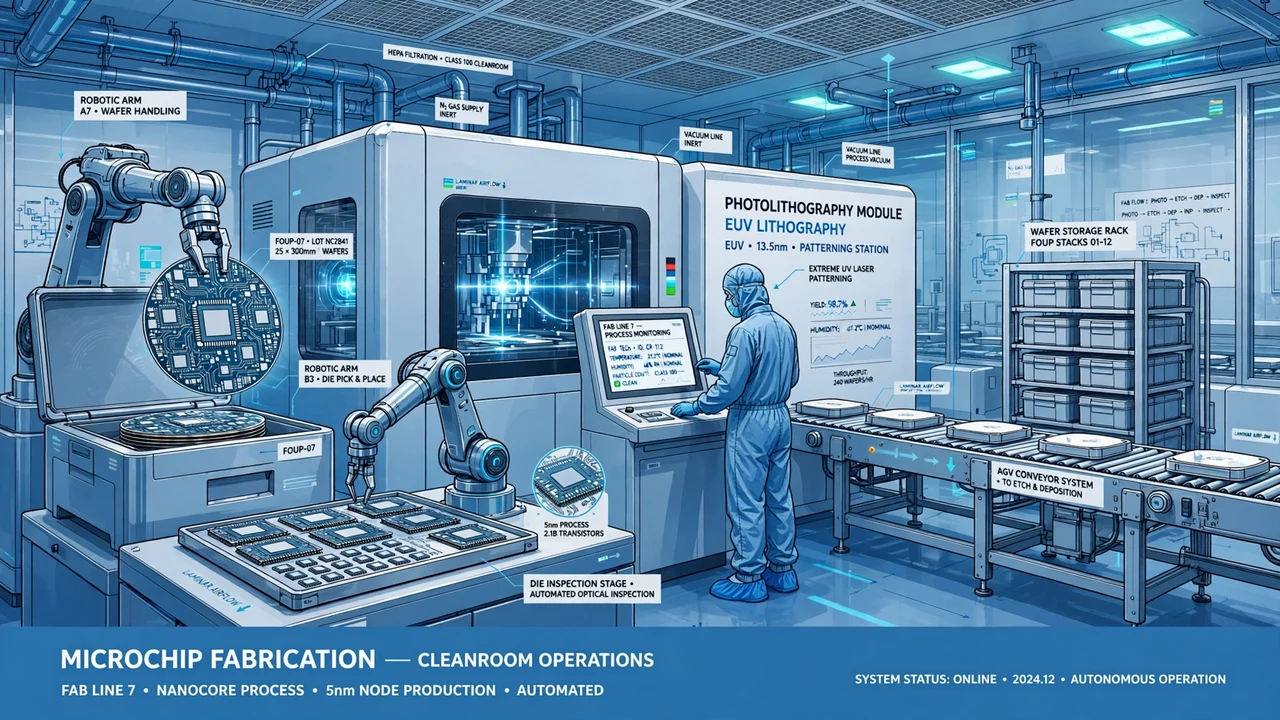
WASHINGTON / SHANGHAI — Senior Trump administration officials have told Reuters that SMIC (Semiconductor Manufacturing International Corp), China’s top chipmaker, has been supplying critical chipmaking tools and technical training to the Iranian military for at least a year, according to a major investigative report released on Thursday night, March 26, 2026.
The disclosure injects a volatile new “tech war” element into the current Middle East conflict, with the U.S. investigating whether the transfers violated international sanctions or utilized restricted U.S.-origin technology.
What U.S. Officials Allege Was Sent
The report describes the link between Shanghai-based SMIC and Tehran’s “military-industrial complex” as more than a trade in components: it is, the report says, a transfer of the capability to manufacture hardware domestically.
- Chipmaking Tools: Two senior officials stated that SMIC began shipping specialized semiconductor manufacturing equipment to Iran roughly one year ago.
- Technical Training: One official added that the collaboration “almost certainly included technical training” on SMIC’s proprietary semiconductor technology.
- Broad Military Use: The tools provided are intended for Iran’s “military industrial complex” and could be used for any electronics requiring chips, including guidance systems for drones and missiles.
- Sanctions Risk: While SMIC has been on a U.S. trade blacklist since 2020, officials are investigating whether the tools contain U.S.-origin components from suppliers like Lam Research or Applied Materials, which would constitute a direct violation of U.S. sanctions.
Beijing’s ‘Normal Trade’ Reply
Both Beijing and SMIC responded swiftly, casting the report as a political provocation instead of a security breach.
- “Normal Commercial Trade”: The Chinese Embassy in Washington maintains that China carries out “normal commercial trade” with Iran and that its actions are consistent with international law.
- SMIC Denial: The company, which recently reported a 161% surge in profit for the past quarter, has long denied any formal ties to the Chinese military-industrial complex.
- The Mediation Mask: The allegations surface just as Chinese Foreign Minister Wang Yi called for all parties to “seize the opportunity” for peace talks following President Trump’s 10-day pause announcement.
Why the Case Matters for the War
Military analysts say Chinese “silent support” has been the backbone of Iranian resilience since the war began on February 28 — and that is why the SMIC case matters.
| Technology/Issue | Strategic Impact |
| Chipmaking Tools | Helps Iran bypass the global blockade on finished microchips for its drone and missile fleets. |
| Anti-Ship Missiles | Reuters reported last month that Iran was close to a deal with China for advanced anti-ship cruise missiles. |
| Supply Chain Risks | The conflict is already disrupting supplies of helium, essential for chipmaking, 38% of which comes from the region (Qatar). |
| Data Center Damage | Drone strikes have already damaged Amazon data centers in the UAE and Bahrain, highlighting the regional tech risk. |
What Comes Next
With the 10-day negotiation window closing on April 6, the SMIC report heaps pressure on the talks. Should the U.S. confirm that SMIC tools helped facilitate recent strikes on U.S. or Israeli assets, President Trump could come under bipartisan pressure to drop the current “energy pause” and strike the very facilities the tools were sent to build.