The ULA Vulcan rocket failure destroyed all 40 Amazon Leo internet satellites on board after the rocket malfunctioned about 10 minutes after liftoff from Cape Canaveral, Florida, on Sunday, November 15, 2026 — the first total mission failure for United Launch Alliance since the company was formed in 2006.
What happened during the launch
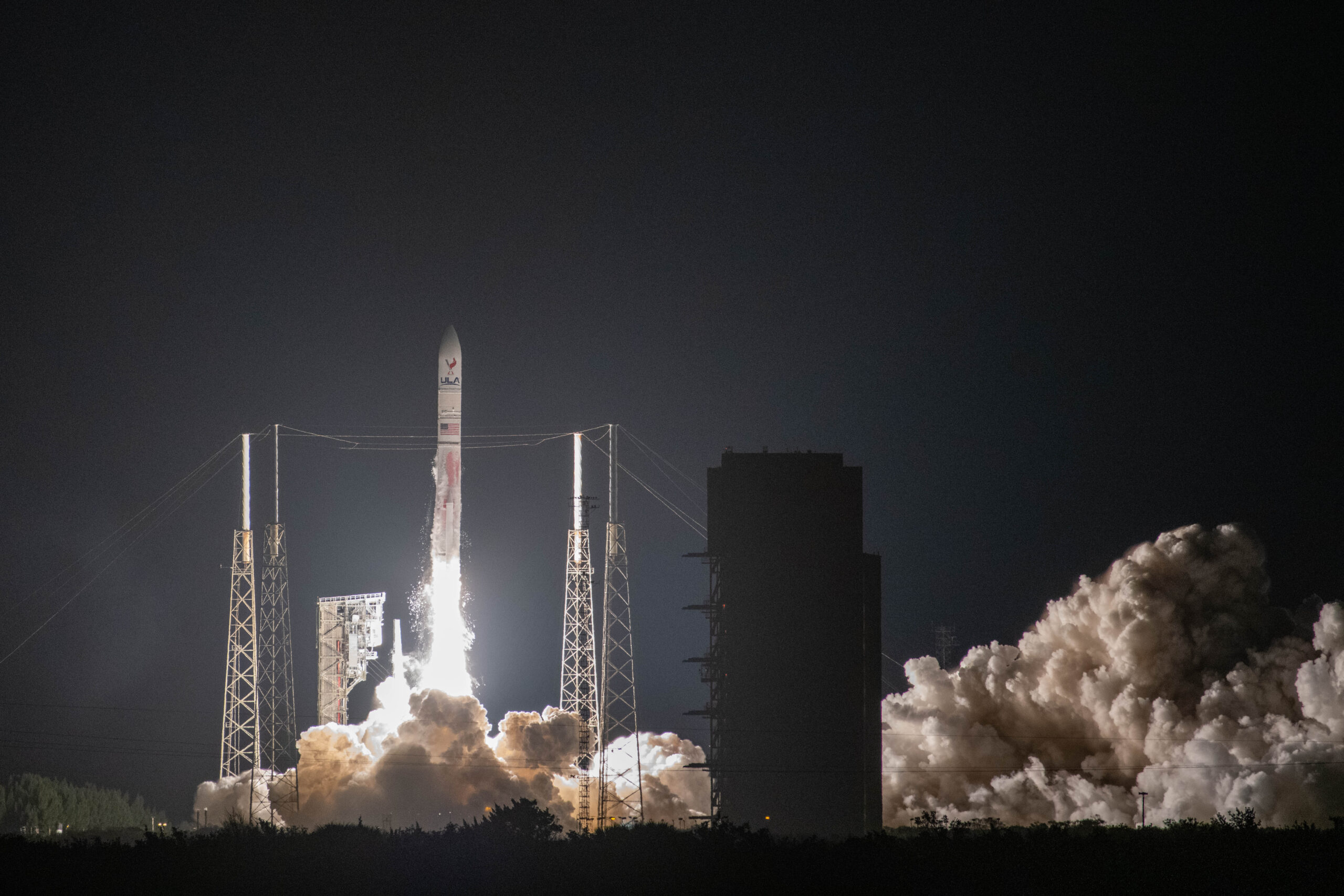
The Vulcan rocket lifted off from Space Launch Complex 41 at Cape Canaveral Space Force Station at 12:40 p.m. ET, after two days of delays and a countdown hold with 20 seconds remaining to resolve a technical issue. It was the rocket’s first flight in nine months.
The early part of the flight appeared to go as planned. The rocket’s six solid rocket boosters, built by Northrop Grumman, burned out less than two minutes after liftoff and appeared to perform normally, according to Spaceflight Now. The first stage, powered by two BE-4 engines supplied by Blue Origin, fired from liftoff before separating, and the Centaur upper stage then ignited, with the payload fairing jettisoning about six minutes into the flight while the vehicle was about 95 miles above Earth, east of Charleston, South Carolina, according to ULA’s final mission update.
The problem came about 10 minutes into the flight, during the Centaur upper stage’s planned 12-minute, 15-second burn. ULA confirmed the loss in a statement about 50 minutes after liftoff: “Based on data received by our Launch Director, we confirm that the Vulcan vehicle launched from Space Launch Complex 41 suffered an anomaly 10 minutes into the flight and failed to deliver the Amazon mission to orbit.” The company said it would work with Amazon and other organisations to find the cause and return to flight as quickly as possible.
What the ULA Vulcan rocket failure means for Amazon Leo
The mission, known as Amazon Leo 1, was the first of 38 Vulcan launches Amazon has purchased to build its Leo satellite internet network, the company’s planned challenger to SpaceX’s Starlink service. The larger Vulcan was carrying 40 satellites on Sunday — more than the 29 carried on the last Atlas 5 launch for the programme — and is slated to carry more than 1,500 of Amazon’s first-generation satellites, more than any other rocket in the programme, according to GeekWire.
The loss is a setback for Amazon’s constellation schedule. Since 2025, 398 Leo satellites have been deployed across 14 launches, about 12 per cent of the 3,236 satellites Amazon needs for global service coverage, according to the South China Morning Post. Amazon Leo will now have to wait for ULA’s failure investigation to run its course before it can try again with a Vulcan, Spaceflight Now reported.
The setback comes as Amazon’s rival SpaceX continues to advance: SpaceX’s Starship was recently caught by giant launchpad arms on its return from orbit, a first for the programme. While Starlink already operates a large constellation in orbit, Amazon is still building toward its first commercial service, and each lost launch pushes its timeline further back.
The investigation ahead
ULA has not yet identified what went wrong. “Every flight generates data, and every flight teaches us something. Since the anomaly just occurred, we don’t have any specific data yet to understand what occurred today,” ULA said in its statement, according to the South China Morning Post.
After the failed flight, Federal Aviation Administration officials announced that ULA must conduct a mishap investigation, Florida Today reported. ULA will be required to submit a final report for approval that determines the root cause of the anomaly and identifies corrective actions. No timeline has been set.
The failure is expected to lead to a lengthy technical investigation that would keep the rocket off the market for months, according to the South China Morning Post. The Sunday flight was only the fifth Vulcan flight since the rocket’s debut in 2024, and the first in nine months, following a launch hiatus drawn out by separate technical investigations into the solid rocket boosters and the core BE-4 engines.
The grounding follows an earlier setback in February, when a solid rocket booster malfunction marred the USSF-87 national security launch and the rocket was grounded. Blue Origin, which supplies the BE-4 engines, is working with ULA in the investigation into Sunday’s failure, according to a person familiar with the matter cited by the South China Morning Post. The same report noted that Blue Origin’s New Glenn rocket suffered a launch pad explosion in May, and its investigation determined the engine was the cause.
A first failure for a company built on reliability
The ULA Vulcan rocket failure is the first outright failure of a United Launch Alliance rocket since the company — a partnership between Boeing and Lockheed Martin — was formed in 2006, Spaceflight Now reported. ULA had built its reputation on a long run of successful launches with its Atlas 5 and Delta 4 rockets before introducing Vulcan as their replacement.
For Amazon, the stakes go beyond a single launch. The company plans a constellation of more than 3,200 satellites, and Vulcan was meant to be the workhorse of that deployment, carrying more of the first-generation satellites than any other rocket in the programme. With the rocket now grounded pending the investigation, Amazon’s largest launch vehicle cannot fly again until ULA finds the cause and completes corrective work.
Frequently asked questions
What happened to the ULA Vulcan rocket on November 15, 2026?
The Vulcan rocket lifted off from Cape Canaveral at 12:40 p.m. ET carrying 40 Amazon Leo satellites. About 10 minutes into the flight, during the Centaur upper stage burn, the vehicle suffered an anomaly and failed to reach orbit. ULA confirmed the loss in a statement about 50 minutes after liftoff.
How many Amazon Leo satellites were lost in the failure?
All 40 satellites on board were lost. They were the first batch of Amazon Leo satellites to fly on a Vulcan rocket, and none reached orbit.
Why is the ULA Vulcan rocket failure a setback for Amazon?
Amazon has bought 38 Vulcan launches to deploy its Leo satellite internet constellation, which is designed to compete with SpaceX’s Starlink. With 398 satellites deployed so far out of the 3,236 needed for global coverage, each lost launch delays the programme, and Vulcan cannot fly again until the failure investigation is complete.
When will the Vulcan rocket fly again?
No date has been set. ULA must first find the cause of the anomaly, and the Federal Aviation Administration has required a mishap investigation with a final report for approval. Reports suggest the investigation could keep the rocket grounded for months.