
President Donald Trump holds off Iran strikes after appeals from Gulf allies, saying the United States will pause new military action for the time being. The pause does not end the conflict: the U.S. naval blockade in the Strait of Hormuz stays in place, and both sides remain far apart on the terms of any deal.
What Trump Announced
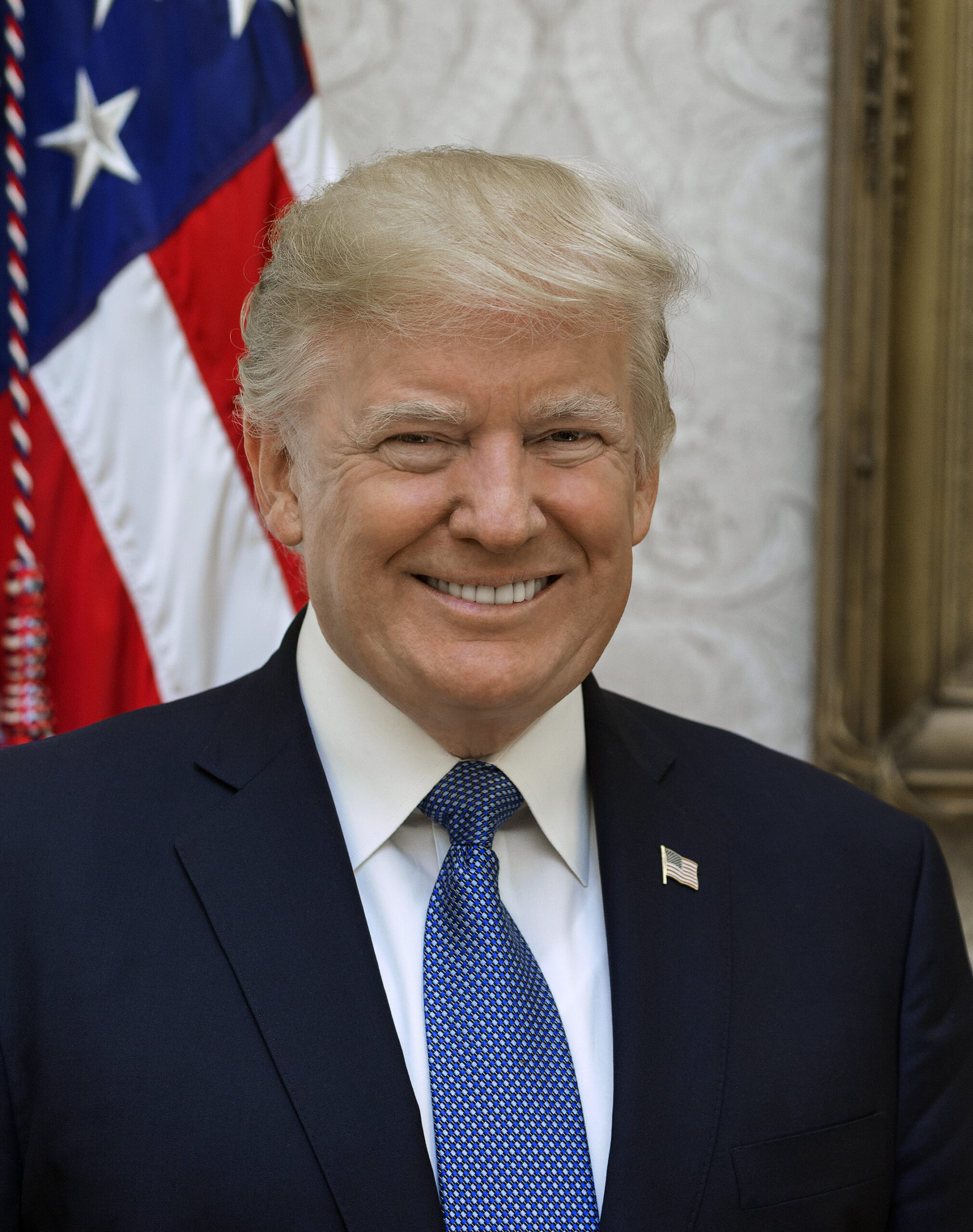
Trump said on Monday that he plans to hold off on new military action against Iran, speaking in a Reuters interview and later in the White House press briefing room, according to Reuters. He said he was acting at the request of neighbouring countries, and specifically cited Qatar, Saudi Arabia, the United Arab Emirates, Bahrain and Kuwait as governments that prefer the United States not launch new attacks.
Trump spoke after meeting Qatari Prime Minister Sheikh Mohammed bin Abdulrahman Al-Thani at the White House. Qatar’s prime minister is a key intermediary with Tehran, and he described his talks with Trump and Vice President JD Vance as positive, according to reports of the meeting.
“The United States of America is fully locked and loaded with the best equipment ever made, and we don’t think there’s going to be any reason to use it,” Trump said, according to Reuters. The remark underlined that the pause is a choice, not a lack of capability: Washington remains prepared to resume military action if it decides the moment requires it.
Trump Holds Off Iran Strikes: Why Gulf Allies Asked for Restraint
Regional leaders have warned that another major escalation could widen the conflict, endanger shipping and energy infrastructure, and destabilise neighbouring countries, according to reporting on the talks. Gulf states have direct security and economic interests in preventing a wider confrontation, and several of them have been pressing for a diplomatic path since the conflict began.
Trump put it in his own terms, saying the Gulf governments would prefer the status quo — in other words, a continuation of the naval blockade — over a new round of strikes. In his words, the countries “would prefer the status quo, in other words, a continuation of the Greatest Naval Blockade in History, and the new Operation Iron Gate,” according to the Khaleej Times report of his remarks.
Turkish President Recep Tayyip Erdogan has also urged Trump to avoid renewed escalation, arguing that dialogue and diplomacy remain possible, according to the same reporting.
The Blockade Stays in Place
While new strikes are on hold, the pressure campaign is not. Trump said the United States plans to keep up its naval blockade connected to the Strait of Hormuz for now, and he has described the blockade as the greatest in history. The waterway remains the central pressure point of the conflict: crude flows through it have staged a striking rebound in recent months, averaging 10.5 million barrels per day since the start of October, according to Kpler data cited by Reuters.
But the strait is also the most dangerous stretch of water in the conflict. The International Maritime Organization tracked 131 confirmed incidents near the narrow waterway from the start of the war on February 28 through November 9, according to Reuters. The number rose sharply to 35 in October, the highest monthly total during the conflict, with Iranian attacks on vessels transiting the strait becoming an almost daily occurrence.
Iran’s own position has not softened. Tehran has insisted the United States must meet seven conditions set out in a June interim agreement before the Strait of Hormuz can reopen and negotiations can resume, according to The Express Tribune. Iran’s top security official, Mohsen Rezaei, said there were currently no negotiations taking place between Tehran and Washington, in an interview with pro-Iran broadcaster Al-Mayadeen.
Mediation Efforts Continue
Diplomacy has not stopped. Qatar said on Tuesday that it had received positive responses from both the United States and Iran regarding ongoing mediation efforts, stressing that work continues to end what it called the state of “no war, no peace” and uncertainty in the region, according to Middle East Eye reporting cited by The Express Tribune.
Mediation efforts led by Qatar and Pakistan also continue, according to Reuters, though Washington and Tehran appear far apart on some of the thorniest issues, particularly Iran’s nuclear programme. Trump has played down the likelihood of major warfare restarting soon, but he remains unwilling to accept the existing Iranian truce plan, according to Reuters reporting.
U.S. Secretary of State Marco Rubio added a further signal on Tuesday. Speaking to reporters in Paris after two days of meetings with G7 allies, Rubio said he had told them that U.S. economic sanctions and the naval blockade were working so well that Trump did not need to conduct major combat operations in Iran. “We don’t need to conduct military strikes if we’re achieving the same objective through economic means and economic pressure. That’s not stalemate,” Rubio said, according to The Express Tribune.
Markets Read the Pause as De-escalation
Energy markets have taken the pause as a sign that another major escalation is less likely, at least for now. Benchmark Brent crude fell below $90 a barrel on Tuesday for the first time since late August, extending a decline of more than 20 percent from its recent high of $118 on October 30, according to Reuters, as investors increasingly discounted another major escalation in the U.S.-Iran conflict.
The market move followed last week’s U.S. midterm elections, in which the Republican Party suffered a rout, according to Reuters. But the same reporting cautions against reading the pause as peace: the U.S. military continues to build up forces in the Middle East, and low-intensity conflict is becoming the region’s new normal even as crude exports recover.
Mutual attacks have continued during the pause. The United States struck Iran’s Qeshm island overnight, according to Iranian state media, while Iran has continued attacking tankers in the Gulf and the Strait of Hormuz this month, and its Yemeni Houthi allies have hit Saudi Arabia, according to Daily Sabah.
What Happens Next
The decision to hold off Iran strikes is best read as a tactical one. As Reuters put it, Trump’s current moratorium on major strikes may not signal an imminent end to the conflict; it may instead be a pause while he considers whether another round of airstrikes could improve Washington’s hand in seeking a favourable deal to end a war now in its ninth month.
If no tangible diplomatic progress is made in the coming weeks, Trump could still conclude that renewed strikes offer the best chance of strengthening the U.S. position in negotiations, according to the Reuters analysis. For now, the Gulf states have what they asked for — no new strikes — and Washington has what it says it wants — pressure without a new round of bombing. How long that uneasy equilibrium can last is the open question.
Frequently Asked Questions (FAQs)
Has the United States stopped its military campaign against Iran?
No. President Trump said he will hold off on new military strikes for the time being, but the U.S. naval blockade in the Strait of Hormuz continues, the military buildup in the Middle East continues, and Washington says it remains prepared to resume strikes if necessary.
Why did Trump hold off Iran strikes?
Governments including Qatar, Saudi Arabia, the United Arab Emirates, Bahrain and Kuwait told Washington they prefer diplomacy and the current blockade over a new round of attacks, warning that further escalation could widen the conflict and endanger shipping and energy infrastructure.
Is there a ceasefire between the United States and Iran?
No. The pause on new strikes is not a ceasefire or a peace agreement. Both sides remain far apart on key issues, including Iran’s nuclear programme, and Iran says there are currently no negotiations taking place.
What is Qatar’s role in the diplomacy?
Qatar is a key intermediary between Washington and Tehran. Its prime minister met Trump at the White House, described the talks as positive, and Qatar said on Tuesday it had received positive responses from both the U.S. and Iran on mediation efforts.