🚨 JUST IN: US Intelligence Claims China Preparing to Deliver MANPADs to Iran Amid Fragile Ceasefire – CNN Report
By Reflecto News Desk
April 11, 2026
US intelligence officials assess that China is preparing to ship new shoulder-fired anti-aircraft missiles, commonly known as MANPADs, to Iran in the coming weeks, according to an exclusive CNN report citing three people familiar with recent assessments. The alleged move comes just days after a fragile ceasefire took effect between the United States and Iran, raising concerns about potential risks to low-flying aircraft if fighting resumes.
The development, if carried out, would mark a notable escalation in China’s support for Iran since US and Israeli joint operations began in February 2026. While Chinese entities have previously supplied dual-use components that aid Iran’s defense industry, direct provision of complete weapons systems would cross a significant threshold.
Understanding MANPADs and Their Strategic Impact
Man-Portable Air-Defense Systems (MANPADs) are lightweight, shoulder-launched surface-to-air missiles designed to engage low-flying aircraft, helicopters, and drones. Their portability and ease of use make them a potent tool in asymmetric conflicts.
During the recent five-week confrontation, such systems reportedly posed a serious threat to US aircraft operating at lower altitudes. President Donald Trump stated that the F-15 fighter jet downed over Iran last week was struck by a portable shoulder-launched heat-seeking missile. Iranian officials described the strike as involving a “new” air defense system but offered no specifics on its origin.
Renewed supplies of MANPADs could once again complicate air operations and increase risks for coalition forces if the current truce collapses.
Key Details from the Intelligence Assessment
Sources told CNN that Beijing appears intent on routing the shipments through third countries to conceal their origin, a tactic often used to navigate sanctions and diplomatic sensitivities. Iran is reportedly using the pause in hostilities to restock military capabilities with external assistance.
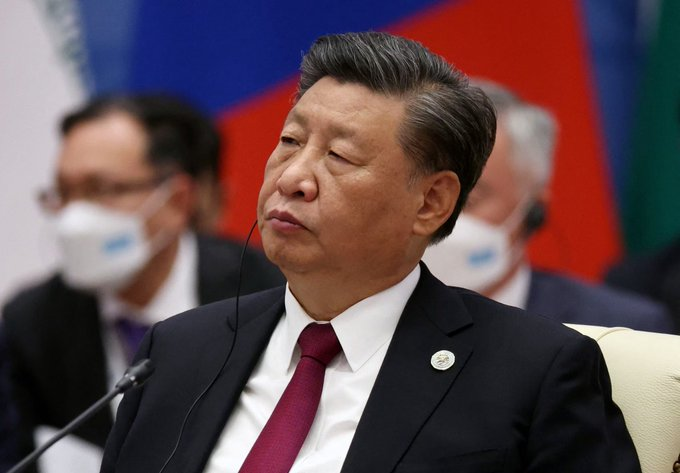
This alleged planning occurs against the backdrop of China’s claimed role in helping arrange the short-term ceasefire that took effect earlier this week. President Trump is scheduled to visit China next month for talks with President Xi Jinping, adding diplomatic weight to the situation.
China’s Firm Denial
China’s embassy in Washington has strongly rejected the reports, stating that Beijing has never supplied weapons to any side in the conflict. An embassy spokesperson described the intelligence claims as “false” and urged the United States to stop making groundless accusations. The statement emphasized China’s position as a responsible major power committed to international obligations and called on all parties to work toward reducing tensions.
Earlier, the embassy had informed CNN that China played a constructive role in facilitating the ceasefire through diplomatic channels.
Broader Context: China-Iran Strategic Ties
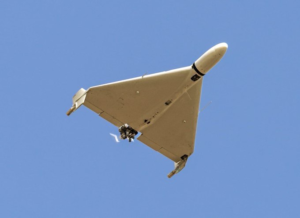
China remains Iran’s largest trading partner and the primary buyer of its sanctioned oil exports. Tehran has developed long-term military and economic links with both China and Russia, including the supply of Shahed drones to support Russian operations in Ukraine.
Since the start of US-Israeli operations in February, Chinese firms have continued providing restricted dual-use items, including components that support missile manufacturing and guidance technology. However, overt government-level transfers of finished weapons systems would go beyond previously reported levels of assistance.
Analysts note that Beijing seeks to maintain friendly relations with Iran — largely driven by energy security needs — while publicly maintaining a neutral stance that allows plausible deniability regarding deeper involvement.
One source briefed on the intelligence suggested China might frame any air defense support as purely defensive, distinguishing it from more offensive assistance reportedly provided by other actors.
Geopolitical Ramifications
The potential transfer comes at a delicate moment for regional stability and global energy markets. The Strait of Hormuz, a critical chokepoint for oil shipments, remains a focal point of concern.
The White House has confirmed that senior US and Chinese officials engaged in discussions during recent ceasefire negotiations. With President Trump’s upcoming summit in Beijing, the Iran situation — including any alleged arms flows — is expected to feature in bilateral talks.
The reports also highlight the complex balancing act China faces: supporting a key energy supplier without direct confrontation with the United States.
Reflecto News will continue to track this developing story, including any further statements from Washington, Beijing, or Tehran, and updates ahead of the Trump-Xi meeting.
Frequently Asked Questions (FAQs)
Q1: What weapons is China allegedly preparing to send to Iran?
Shoulder-fired anti-aircraft missiles known as MANPADs (Man-Portable Air-Defense Systems). These portable systems target low-flying aircraft and were a notable threat during the recent conflict.
Q2: How credible is the CNN report based on US intelligence?
The report cites three individuals familiar with recent intelligence assessments. However, the claims remain unverified in the public domain, and China has categorically denied them.
Q3: Did China help broker the recent US-Iran ceasefire?
Yes, according to statements from US officials, Iranian sources, and the Chinese embassy. Beijing has publicly confirmed its diplomatic efforts to promote de-escalation.
Q4: Why might shipments be routed through third countries?
To potentially mask the origin and reduce risks associated with international sanctions or direct diplomatic repercussions.
Q5: What risk do MANPADs pose if the ceasefire breaks?
They could significantly endanger low-altitude US, Israeli, and allied aircraft, helicopters, and drones, similar to threats observed in the five-week fighting.
Q6: How do these allegations fit into China-Iran relations?
China is Iran’s top oil buyer and maintains deep economic ties. While dual-use technology transfers have been reported, Beijing has avoided overt military alliances or direct combat involvement.
Q7: Will this affect the upcoming Trump-Xi summit?
The issue is likely to be discussed, given the sensitivity of US-China relations and the Iran situation. President Trump is due to visit Beijing next month.
Q8: What has been China’s overall stance on the US-Iran conflict?
China has consistently called for de-escalation, dialogue, and respect for sovereignty while urging all parties to avoid actions that could widen the conflict.
For the latest updates on US-China relations, Middle East developments, and global security issues, follow Reflecto News — your source for accurate, timely, and professional coverage.