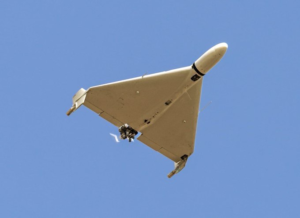
🚨 JUST IN: China Threatens Countermeasures Against US Over New Tariff Hike Threat Linked to Iran Arms Allegations
By Reflecto News Desk
April 14, 2026
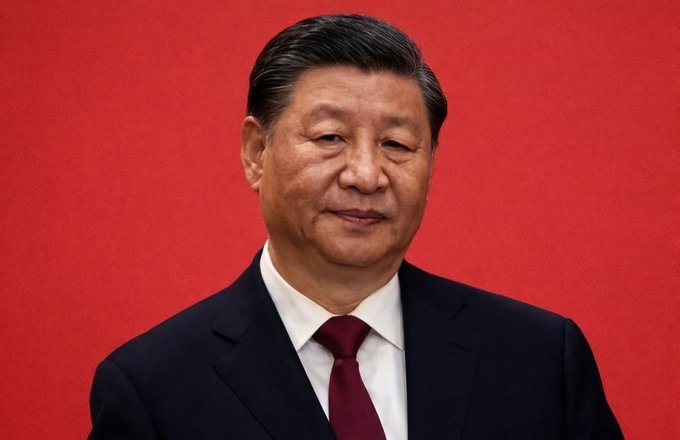
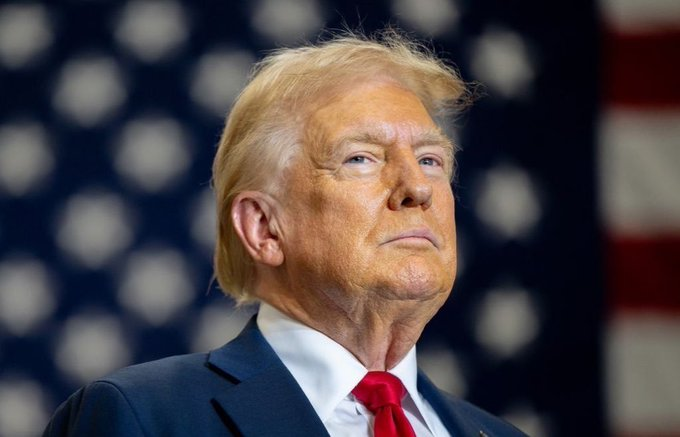
China has strongly warned it will take “resolute countermeasures” to safeguard its sovereignty, security, and development interests if the United States proceeds with threatened additional tariffs on Chinese goods. The response follows President Donald Trump’s explicit warning that any country — including China — supplying military equipment to Iran could face a 50% tariff on its exports to the United States.
Chinese officials described the US threat as “economic blackmail” and a “mistake on top of a mistake,” vowing that Beijing “will never accept this” and is prepared to “fight to the end” if Washington escalates.
Details of the Escalating Tariff Threat
President Trump recently clarified that his earlier warning of 50% tariffs applies directly to China if it is found providing weapons — such as the alleged MANPADs (shoulder-fired anti-aircraft missiles) — to Iran amid the fragile ceasefire following five weeks of US-Israeli operations that began in February 2026.
The threat is tied to US intelligence reports (cited by CNN) suggesting China may be planning indirect shipments of air defense systems to Iran. Beijing has repeatedly and categorically denied these claims, calling them “completely fabricated” and “groundless.”
China’s Foreign Ministry and Commerce Ministry issued coordinated statements emphasizing that any new US tariffs would be unilateral bullying and would disrupt the normal international trade order. Officials hinted that retaliatory measures could include targeted tariffs on US goods, restrictions on key exports, or other economic tools.
Link to Broader US-China Tensions and the Iran Conflict
This latest flashpoint overlays existing strains in US-China relations:
- The short-term US-Iran ceasefire remains precarious after failed 21-hour talks in Islamabad, where Vice President JD Vance said Iran rejected key US terms on its nuclear program.
- Allegations of Chinese arms support to Iran have intensified diplomatic friction.
- President Trump is scheduled to visit Beijing next month for a summit with President Xi Jinping, raising questions about whether the meeting could be delayed or overshadowed by the dispute.
China has positioned itself as a responsible power advocating de-escalation in the Middle East while maintaining deep economic ties with Iran as its largest buyer of sanctioned oil. Beijing has also highlighted its diplomatic efforts to help facilitate the current ceasefire.
China’s Stance: “We Do Not Want a Tariff War, But We Are Not Afraid of One”
In past similar episodes, China has responded to US tariff hikes with reciprocal duties on American agricultural products, aircraft, automobiles, and other sectors. Analysts note that Beijing views capitulation as politically untenable and prefers to project strength in the face of perceived “blackmail.”
President Xi Jinping has recently described the broader international order as “crumbling into disarray,” calling for multipolarity, respect for sovereignty, and strengthened partnerships with the Arab world and European nations like Spain.
Potential Economic Impact
A renewed escalation in the US-China tariff confrontation could:
- Raise costs for American consumers and businesses reliant on Chinese supply chains.
- Disrupt global markets, particularly in technology, semiconductors, and energy.
- Affect energy security given China’s heavy reliance on Middle East oil imports through routes like the Strait of Hormuz.
Markets have already shown volatility in response to the intertwined Iran conflict and trade tensions.
Reflecto News will continue monitoring official statements from Beijing and Washington, developments ahead of the Trump-Xi summit, and any concrete retaliatory steps announced by China.
Frequently Asked Questions (FAQs)
Q1: What triggered China’s latest threat of countermeasures?
President Trump’s clarification that a potential 50% tariff on Chinese goods would apply if Beijing supplies weapons (such as MANPADs) to Iran, based on US intelligence reports that China has denied.
Q2: How has China responded to the tariff threat?
China called the move “economic blackmail,” vowed to “fight to the end,” and stated it would “resolutely take countermeasures” to protect its interests if the US proceeds.
Q3: Is this tariff threat new or linked to the Iran conflict?
It is explicitly linked to allegations of Chinese military support for Iran during the recent US-Iran tensions and fragile ceasefire.
Q4: What form might Chinese countermeasures take?
Possible responses include retaliatory tariffs on US exports (e.g., agriculture, aircraft, or consumer goods), export controls on critical materials, or other economic measures — consistent with past trade disputes.
Q5: Will this affect the upcoming Trump-Xi summit?
The May summit in Beijing is still planned, but escalating trade and Iran-related tensions could complicate preparations or become a central agenda item.
Q6: What is China’s overall position on the Iran situation?
Beijing denies supplying weapons, calls for de-escalation and dialogue, and claims it played a constructive diplomatic role in supporting the ceasefire while prioritizing regional stability for energy security.
Q7: How does this fit into broader US-China relations?
It adds to longstanding trade frictions amid diverging views on the international order, the Middle East, and global governance — even as both sides prepare for high-level engagement.
For the latest updates on US-China trade tensions, the Iran ceasefire, and global diplomatic developments, follow Reflecto News — your trusted source for accurate, timely, and professional coverage.