🚨 JUST IN: Iran Shifts ~20 Million Barrels of Oil Through Offshore “Dark” Network to Bypass US Port Blockade, Maritime Intelligence Firm Reports
By Reflecto News Desk
April 16, 2026
Iran is actively rerouting large volumes of oil through covert offshore networks and ship-to-ship transfers in an apparent effort to circumvent the US naval blockade targeting its ports in the Strait of Hormuz, according to maritime intelligence firm Windward AI.
As of April 13, at least 11 tankers carrying approximately 20 million barrels of Iranian oil were positioned offshore Malaysia, operating within a ship-to-ship transfer hub in the region, Windward reported. The firm noted that Iranian oil distribution continues through indirect routing and offshore transfer networks despite the US enforcement actions.
Details of the Reported Bypass
Windward AI, a leading maritime intelligence company that tracks “dark” shipping activity (vessels masking locations or using deceptive practices), told Fox News that Iran has shifted tens of millions of barrels through these covert methods. The offshore operations near Malaysia serve as a key hub for transshipping Iranian crude to buyers, primarily in Asia, without direct calls at Iranian ports that are now under blockade scrutiny.
This tactic builds on Iran’s long-established “shadow fleet” — a network of aging tankers often using false flags, ship-to-ship transfers, and location-spoofing technology to evade sanctions. Analysts note that Iran already maintains significant floating storage at sea, with estimates of up to 190 million barrels in some reports, much of it destined for Asian markets.
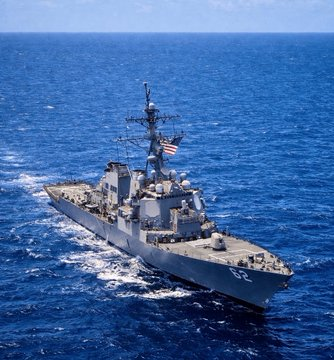
The development comes as the US continues enforcing its blockade on vessels entering or leaving Iranian ports, a measure imposed after the collapse of high-level US-Iran talks in Islamabad. US Central Command has claimed success in the initial phase, with several vessels turned back, though non-Iran-linked traffic continues.
US and Iranian Perspectives
US Treasury Secretary Scott Bessent previously stated that the blockade would prevent China — Iran’s largest buyer of sanctioned oil — from accessing Iranian crude, saying, “They can get oil. Not Iranian oil.” The administration views the measure as essential economic pressure to force concessions on Iran’s nuclear program and regional activities.
Iran has not issued an immediate official comment on the specific Windward report, but Tehran has repeatedly condemned the US blockade as “dangerous and irresponsible” and vowed to protect its oil exports. Iranian officials have explored alternative routes, free zones, and enhanced shadow fleet operations to maintain revenue flows.
Broader Implications
The reported 20-million-barrel movement highlights the resilience of Iran’s sanctions-evasion tactics but also the ongoing cat-and-mouse game with US enforcement. Success in bypassing could ease some pressure on Tehran’s economy while complicating US efforts to starve Iran of oil revenue.
For China, which relies heavily on discounted Iranian crude, any sustained disruption raises energy security concerns. Russia has already offered to help compensate for shortfalls, with Foreign Minister Sergey Lavrov making the pledge during his recent visit to Beijing.
Global oil markets remain sensitive, with analysts watching for price volatility if the blockade tightens or if shadow fleet operations face increased interdiction.
Reflecto News will continue tracking shipping data, statements from Windward AI and other intelligence firms, official responses from Washington, Beijing, and Tehran, and any impact on the fragile US-Iran ceasefire.
Frequently Asked Questions (FAQs)
Q1: How much oil is Iran reportedly moving offshore?
Approximately 20 million barrels, according to Windward AI, positioned in at least 11 tankers offshore Malaysia as of April 13 for ship-to-ship transfers.
Q2: What is the “dark” or shadow fleet?
A network of older tankers often using deceptive practices (false flags, AIS spoofing, ship-to-ship transfers) to transport sanctioned Iranian oil while evading detection and sanctions.
Q3: Is the US blockade completely stopping Iranian oil exports?
The blockade targets vessels linked to Iranian ports, but Iran is adapting through indirect routing and offshore hubs. US officials claim initial success in halting direct port traffic, though shadow operations continue.
Q4: Who is the main buyer of this oil?
Primarily Asian markets, with China historically accounting for the vast majority of Iran’s sanctioned oil exports.
Q5: How does this affect global energy markets?
It could help Iran maintain some revenue but risks higher insurance costs, logistical challenges, and potential price volatility if enforcement intensifies or disruptions spread.
Q6: What is the current status of the Hormuz blockade?
The US continues enforcement, with some vessels turned back. Non-Iran-linked shipping largely proceeds, but the operation adds friction to Iranian exports.
Q7: Will this impact the US-Iran ceasefire or Trump-Xi summit?
It adds pressure to the fragile ceasefire and is likely to feature in broader US-China discussions, including energy security and tariff threats.
For the latest verified shipping data, energy market analysis, and developments in the US-Iran standoff, follow Reflecto News — your trusted source for accurate, timely, and professional international coverage.