🚨🇺🇬🇮🇱 BREAKING: Uganda’s Military Chief Offers to Deploy 100,000 Soldiers in Israel to Protect ‘the Land of Jesus Christ’
Published on Reflecto News | World News | Geopolitics & Defense
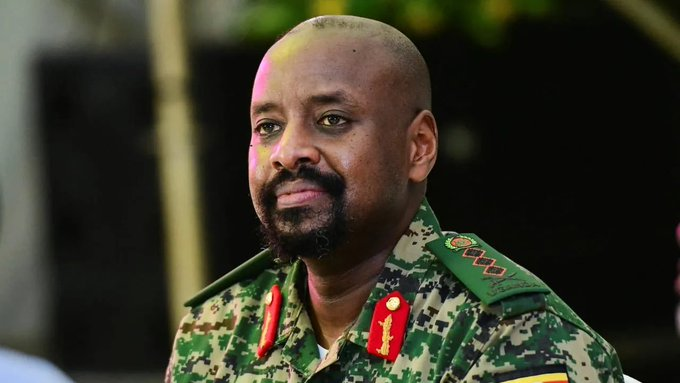
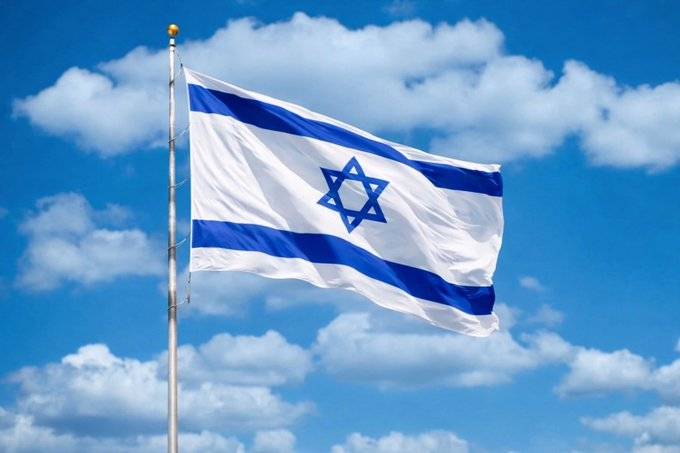
In a stunning and provocative declaration that has drawn widespread international criticism, Uganda’s Chief of Defence Forces, General Muhoozi Kainerugaba, has publicly offered to deploy 100,000 Ugandan soldiers to Israel, declaring he would personally command the force to defend “the Holy Land” and “the land of Jesus Christ our God” . The dramatic pledge has been condemned as inappropriate, destabilizing, and a dangerous escalation of rhetoric from a senior military official.
The announcement has sparked outrage from political analysts, regional observers, and human rights advocates, who have described the offer as “disgusting” and a reckless attempt to inject religious extremism into an already volatile geopolitical crisis .
‘I’m Ready to Deploy 100,000 Soldiers’
General Kainerugaba, who is also the son of long-serving Ugandan President Yoweri Museveni and widely viewed as a potential successor, was unequivocal in his post on X.
“I’m ready to deploy 100,000 Ugandan soldiers in Israel. Under my command. To protect the Holy Land. The land of Jesus Christ our God!” — General Muhoozi Kainerugaba, Chief of Defence Forces, Uganda People’s Defence Force
The statement continues a pattern of provocative, faith-driven declarations from the general, who has earned the nickname the “Tweeting General” due to his frequent and often controversial social media posts on military, political, and religious matters .
Why the Offer Is Being Condemned
The offer has been met with widespread condemnation for several reasons, with critics describing it as “disgusting” and dangerously irresponsible.
1. Unwanted and Unsolicited Intervention
Israel has not requested military assistance from Uganda. The offer is unilateral and unsolicited, raising questions about the general’s motives and judgment. An unwanted military intervention—even if only rhetorical—undermines diplomatic norms and complicates an already tense situation .
2. Religious Framing of Military Action
By framing the offer as a defense of “the land of Jesus Christ,” General Kainerugaba injects religious extremism into a complex geopolitical conflict. Critics argue that this rhetoric risks inflaming sectarian tensions and alienating the region’s Muslim populations .
3. Questionable Feasibility
The Uganda People’s Defence Force (UPDF) has an estimated active strength of approximately 45,000 personnel, with additional reserves. A deployment of 100,000 soldiers would require mobilization of most of the country’s military capacity—a significant national undertaking that has not been approved by the Ugandan government .
| Metric | Figure |
|---|---|
| Proposed deployment | 100,000 soldiers |
| Estimated UPDF active strength | ~45,000 personnel |
| Additional reserves needed | ~55,000 |
| Current UPDF total strength | ~45,000 active + reserves |
Sources: Multiple reports
4. No Official Government Endorsement
The Ugandan presidency and government have issued no official comment confirming the offer as national policy. Kainerugaba has previously acknowledged that his views expressed on social media do not necessarily reflect those of the state .
5. Potential to Escalate Regional Tensions
The offer comes at a time of extreme volatility in the Middle East. Iran has warned that it will respond “painfully” if Israeli attacks on Hezbollah continue, and the broader region remains on the brink of wider conflict. Injecting additional military rhetoric into this environment is seen as irresponsible .
A Pattern of Provocative Statements
The current offer to deploy 100,000 soldiers follows a series of increasingly bellicose statements from the Ugandan military chief over the past several weeks.
In late March, as the US-Israeli military campaign against Iran intensified, Kainerugaba wrote: “We want the war in the Middle East to end now. The world is tired of it. But any talk of destroying or defeating Israel will bring us into the war. On the side of Israel!” .
He went further in now-deleted posts, suggesting that a single Ugandan brigade could “capture Tehran” and that Ugandan forces “could have captured Tehran in 72 hours without any bombing” .
Kainerugaba has also announced plans to erect a statue at Entebbe International Airport honoring IDF Lt. Col. Yonatan Netanyahu—the older brother of Israeli Prime Minister Benjamin Netanyahu—who was killed in action during the 1976 Entebbe rescue operation .
Official Status: Personal Declaration or Government Policy?
A critical question surrounding the offer is whether it represents official Ugandan government policy or the personal views of its outspoken military chief.
| Factor | Status |
|---|---|
| Official government statement | None issued |
| Parliamentary approval | None sought |
| Cabinet discussion | Not confirmed |
| Presidential endorsement | Not provided |
| Diplomatic notification to Israel | Unconfirmed |
The general’s statements have previously caused friction with international partners. Republican Senator Jim Risch, as chair of the Senate Foreign Relations Committee, warned that Muhoozi’s previous posts “crossed a red line” and could cause a review of a US-Uganda security cooperation agreement .
International Reactions: Silence and Concern
Israel
Israeli officials have not yet publicly responded to the latest offer to deploy 100,000 soldiers . Previous statements from Kainerugaba have drawn no official reaction from Jerusalem, suggesting that Israel may view the general’s provocative statements as personal rather than official.
United States
The general’s posts have caused friction with some legislators in Washington. Senator Risch’s warning about a “red line” suggests that continued provocative statements could have tangible consequences for US-Uganda relations .
Iran
Unsurprisingly, the Ugandan general’s statements have made Kampala an adversary in Tehran’s eyes. Analysts have noted that while Kainerugaba’s words may be largely performative, “in Tehran, Kampala has found a real adversary” .
African Union
The African Union has not officially commented on the general’s statements. However, the offer to deploy troops to a conflict outside Africa raises questions about continental solidarity and the AU’s stance on non-interference .
Analysis: Rhetoric, Politics, and Realism
Several factors suggest that General Kainerugaba’s offer should be interpreted as political theater and personal messaging rather than a concrete military plan.
Domestic Political Ambitions
Kainerugaba is widely viewed as a potential successor to his father, President Yoweri Museveni, who has ruled Uganda since 1986. The general’s provocative statements—both on Israel and previously on threatening to invade Kenya—are seen by analysts as efforts to cultivate the image of a decisive and tough leader with an eye toward a future presidential run .
Limited Military Capacity
Even if politically approved, Uganda lacks the logistical capacity to transport, supply, and sustain 100,000 soldiers thousands of miles from home. The country’s military budget and infrastructure are not designed for power projection on this scale .
No Official Request
Israel has not requested Ugandan military assistance. The offer appears to be unilateral and unsolicited .
What Comes Next
As the international community digests General Kainerugaba’s extraordinary offer, several developments will be critical to watch:
| Factor | Current Status |
|---|---|
| Official Ugandan government response | No official comment confirming or denying the offer as national policy |
| Israeli government response | No official response to the 100,000-troop offer |
| US response | Previous statements from Senator Risch warning of “red line” |
| Practical implementation | Logistically improbable; no known planning underway |
For now, General Kainerugaba’s offer remains a dramatic statement of intent rather than a concrete military plan. However, the “disgusting” reaction from critics reflects a broader concern that such rhetoric—whether serious or performative—has no place in the delicate diplomacy required to resolve the Middle East crisis.
Frequently Asked Questions (FAQs)
1. What exactly did Uganda’s military chief offer to Israel?
General Muhoozi Kainerugaba offered to deploy 100,000 Ugandan soldiers to Israel, stating he would personally command the force to protect “the Holy Land” and “the land of Jesus Christ our God” .
2. Why is this offer being condemned?
Critics describe the offer as unwanted, unsolicited, and potentially destabilizing. The religious framing of military action is seen as inappropriate, and the offer appears to be a personal declaration rather than official government policy .
3. Does this offer represent official Ugandan government policy?
No. The Ugandan presidency and government have not issued any official comment confirming the offer as national policy. Kainerugaba has previously stated that his personal views do not necessarily reflect those of the state .
4. Can Uganda actually deploy 100,000 soldiers?
The Uganda People’s Defence Force has an estimated active strength of approximately 45,000 personnel, with additional reserves. A deployment of 100,000 soldiers would require mobilization of most of the country’s military capacity—a significant national undertaking requiring government approval and extensive logistical planning .
5. How has Israel responded?
Israeli officials have not yet publicly responded to the offer to deploy 100,000 soldiers .
6. Who is General Muhoozi Kainerugaba?
He is Uganda’s Chief of Defence Forces, the son of long-serving President Yoweri Museveni, and is widely viewed as a potential successor to his father. He is known for his frequent and provocative social media posts, earning him the nickname the “Tweeting General”
Stay informed with Reflecto News – Your trusted source for breaking geopolitical and defense intelligence. Subscribe for real-time updates on international reactions to the Uganda-Israel controversy and the broader Middle East crisis.