🚨 JUST IN: US Treasury Secretary Scott Bessent Declares China “Will No Longer Be Able to Get Oil from Iran” Amid Hormuz Blockade
By Reflecto News Desk
April 15, 2026
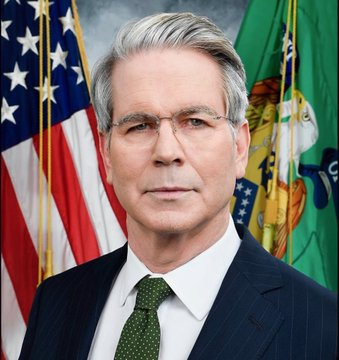
US Treasury Secretary Scott Bessent stated on Tuesday that China will no longer have access to Iranian oil due to the ongoing US naval blockade in the Strait of Hormuz, adding that Beijing has acted as an “unreliable global partner” by hoarding discounted Iranian crude during the Middle East conflict.
“So they’re not going to be able to get their oil. They can get oil. Not Iranian oil,” Bessent said, emphasizing that the United States is tightening enforcement to prevent China — Iran’s largest buyer of sanctioned oil — from continuing to import large volumes of Iranian crude.
The comments come as the US enforces a blockade targeting vessels entering or leaving Iranian ports following the collapse of high-level US-Iran talks in Islamabad. A US-sanctioned Chinese tanker recently tested the restrictions, highlighting the direct impact on Beijing’s energy supply lines.
Bessent’s Remarks in Full Context
Speaking amid rising oil prices and global supply concerns, Bessent accused China of hoarding Iranian oil at discounted rates during the five-week US-Israeli military operations against Iran that began in February 2026. He framed the blockade as a tool to pressure Tehran while simultaneously addressing what Washington views as China’s role in sustaining Iran’s economy through oil purchases.
The US has made clear that freedom of navigation continues for non-Iran-linked vessels, but tankers carrying Iranian oil or heading to/from Iranian ports face interception or redirection. Several vessels have reportedly been turned away since the blockade intensified.
China’s Energy Dependence and Response
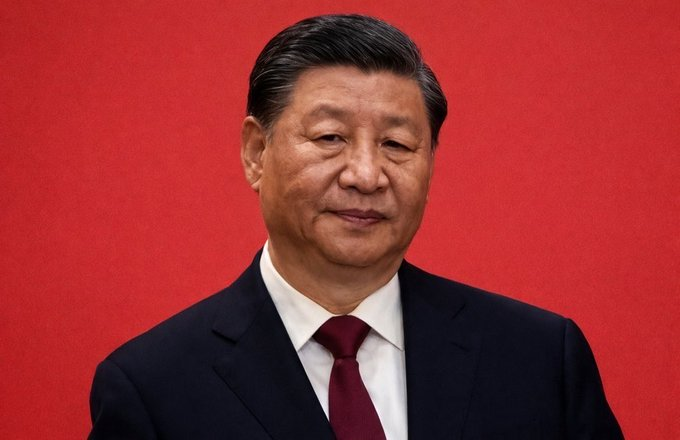
China imports the majority of Iran’s sanctioned oil exports, relying on the Strait of Hormuz for a significant portion of its overall crude and LNG needs. Beijing has already labeled the US blockade “dangerous and irresponsible,” warning that it threatens global energy security and could escalate regional tensions.
Chinese officials have urged restraint and a return to dialogue, while denying any military support to Iran, including US intelligence claims about potential MANPAD shipments. The latest development adds to existing frictions, including President Trump’s threat of 50% tariffs on countries supplying weapons to Tehran and China’s vow of “resolute countermeasures” against new US tariffs.
Broader Implications
The blockade and Bessent’s statement risk further straining US-China relations ahead of President Trump’s planned summit with President Xi Jinping in May. Key flashpoints include:
- The fragile short-term US-Iran ceasefire, which remains uncertain after talks failed over Iran’s nuclear program.
- Volatility in global oil markets, with prices surging due to blockade-related disruptions.
- China’s deepening partnerships with Russia, the Arab world, and European nations like Spain amid what Xi has called an international order “crumbling into disarray.”
Analysts note that while the US aims to squeeze Iran’s revenue, the policy also serves as leverage against China’s energy strategy. However, prolonged disruption could raise costs for American consumers and businesses while pushing China to seek alternative suppliers or routes.
Reflecto News will continue monitoring shipping activity in the Strait of Hormuz, official reactions from Beijing and Washington, oil market movements, and any developments ahead of the Trump-Xi summit.
Frequently Asked Questions (FAQs)
Q1: What exactly did Treasury Secretary Scott Bessent say?
Bessent stated that China “will no longer be able to get oil from Iran” due to the US blockade, noting that Beijing can still import oil from other sources but not Iranian crude. He criticized China for hoarding discounted Iranian oil during the conflict.
Q2: Why is the US targeting Iranian oil shipments to China?
The blockade, announced after failed US-Iran talks, aims to pressure Tehran by cutting off revenue from oil exports. It also addresses concerns over China’s role as Iran’s primary buyer of sanctioned crude.
Q3: Has the blockade fully stopped Chinese tankers?
Not entirely. At least one sanctioned Chinese tanker (Rich Starry) has transited recently, but US forces have turned away multiple vessels. Enforcement is focused on Iran-linked traffic.
Q4: How dependent is China on Iranian oil?
China is Iran’s largest customer for sanctioned oil. The Strait of Hormuz is a critical route for much of China’s Middle East energy imports.
Q5: What has China’s response been?
Beijing has called the blockade “dangerous and irresponsible,” urged de-escalation and dialogue, and warned of risks to global energy security. China has also vowed countermeasures against any new US tariffs.
Q6: Will this affect the upcoming Trump-Xi summit?
Yes. The Hormuz blockade, combined with tariff threats and Iran-related allegations, is expected to be a major topic during the May summit in Beijing.
Q7: What is the current status of the US-Iran ceasefire?
The short-term truce remains in effect but is fragile following the collapse of negotiations over Iran’s nuclear program. Technical talks may continue.
For the latest updates on the Strait of Hormuz blockade, US-China tensions, global oil markets, and the Iran situation, follow Reflecto News — your trusted source for accurate, timely, and in-depth international reporting.