Reflecto News is an online news platform covering major international political events, global economic developments, and security conflicts. The site provides updates on topics such as Chinese manufacturing dominance, Middle Eastern political tensions, and high profile legal arrests. Readers can access current articles organized by categories like World News, Iran, and USA.
Reflecto News | Breaking News | Middle East
ABU DHABI — UAE President Sheikh Mohamed bin Zayed Al Nahyan (MBZ) received a rare phone call from Israeli Prime Minister Benjamin Netanyahu this week, during which the Israeli leader expressed solidarity with the UAE and pledged support for its security measures following a direct Iranian attack on Emirati territory .
The conversation, confirmed by the UAE’s state-run WAM news agency, took place after Iran launched a wave of missiles and drones at the UAE over the weekend, which wounded three Indian nationals and marked the first such assault since a US-brokered ceasefire took effect in April .
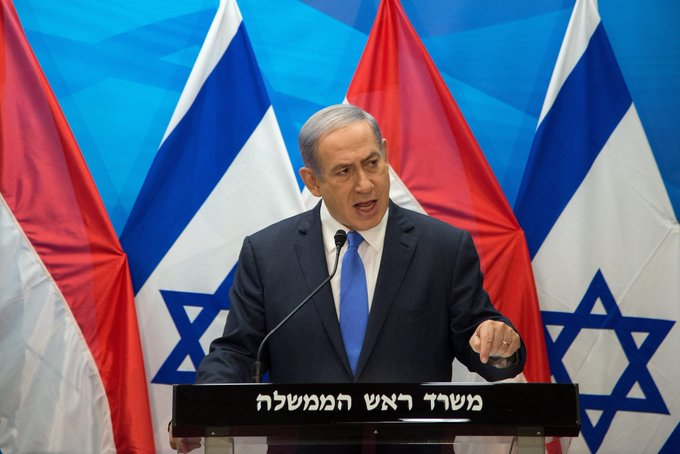
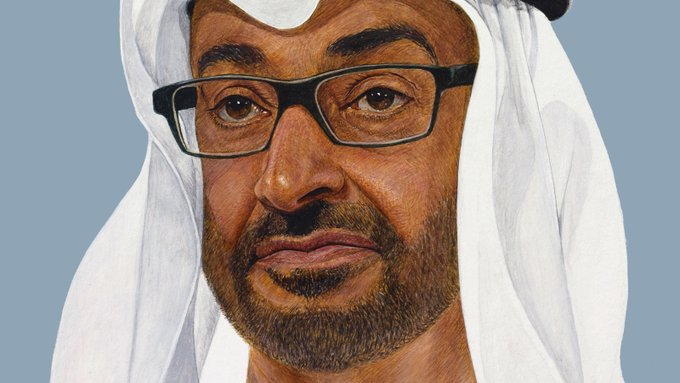
📞 A Call of Solidarity and Condemnation
According to the official readout, Netanyahu “condemned the Iranian terrorist attacks targeting civilians and civilian sites and facilities in the United Arab Emirates,” describing them as a violation of the country’s sovereignty and a threat to its security .
The Prime Minister “affirmed his country’s solidarity with the UAE and his support for all measures it takes to safeguard its security and stability and ensure the safety of its citizens,” the Abu Dhabi readout said .
The phone call comes as part of a broader diplomatic outreach by MBZ, who also spoke with Jordan’s King Abdullah II and Masrour Barzani, Prime Minister of the Kurdistan Region of Iraq, over the same period .
🛡️ Behind the Call: The UAE-Israel Security Axis
The conversation is not an isolated gesture of sympathy; it is the public face of a significantly deepened security partnership between Abu Dhabi and Jerusalem that has accelerated during the war with Iran .
Earlier in the conflict, following another call between the two leaders, Netanyahu secretly ordered the Israeli military to deploy an Iron Dome air defense battery, along with Israeli troops to operate it, to the UAE . The battery, operated on Emirati soil, reportedly intercepted dozens of Iranian missiles aimed at the country, marking the first operational use of the Israeli system on Arab soil outside of Israel and the United States .
This unprecedented military cooperation has solidified what analysts describe as a new “security axis” in the region . As Anwar Gargash, an adviser to the UAE president, stated, the war has demonstrated that Israel’s role in the Arabian Gulf region is poised to grow and strengthen . For the UAE, Iran – which has launched over 550 ballistic missiles and 2,200 drones at the country – is now viewed as the most direct threat to its national security, making alignment with Israel a strategic necessity .
🌍 Regional Realignment: ‘Common Enemy’
The call highlights a significant realignment in the Middle East. The UAE has become increasingly vocal about its disappointment with the response of some of its traditional Arab allies to the Iranian attacks while praising the support it has received from Israel, the US, France, and the UK .
One Israeli official told CNN that the war “brought an unprecedented level of closeness, driven largely by a shared sense of fate – both countries were attacked and the enemy is common” .
The UAE has also been reassessing its membership in multilateral organizations, having recently exited OPEC . Officials hint that Abu Dhabi is scrutinizing its ties with the Arab League and the Organization of Islamic Cooperation, signaling a broader strategic pivot away from traditional regional frameworks and toward a more independent, security-focused foreign policy .
📋 Key Takeaways for Reflecto News Readers
| Aspect | Summary |
|---|---|
| The Call | Netanyahu called MBZ to condemn Iranian attacks, express solidarity, and pledge support for UAE security measures . |
| The Context | The call follows Iran’s first major missile/drone attack on the UAE since the April ceasefire . |
| The Broader Relationship | Security cooperation is now deeper than ever; Israel secretly deployed Iron Dome batteries and troops to the UAE to intercept Iranian missiles . |
| The Strategic Shift | The UAE views Iran as its primary threat and is pivoting toward a security axis with Israel and Western powers, moving away from traditional regional alliances . |
Follow Reflecto News for continuous updates on the Middle East security realignment, UAE-Israel relations, and all breaking news from the region. This article is the intellectual property of Reflecto News. Redistribution without attribution is prohibited. For syndication or media inquiries, please contact the editorial team.
Questions people ask
What is China's current share of global manufacturing?
China now accounts for twenty eight percent of global manufacturing. This industrial output exceeds the combined manufacturing production of the United States, Japan, and Germany, making China the leading global industrial power according to recent reports.
Why were Andrew Tate and Tristan Tate arrested in Miami?
Andrew Tate and his brother Tristan Tate were taken into custody in Miami by the United States Marshals Service. They face thirty eight new charges in the United Kingdom, including rape and child pornography offences, and prosecutors are seeking their extradition.
What warning did Moscow issue about oil prices?
Kirill Dmitriev, the Chief Executive of the Russian Direct Investment Fund, warned that a tsunami of skyrocketing oil prices is approaching. Moscow describes this potential energy shock as a major threat to global markets.
What political shift is projected for Benjamin Netanyahu's coalition?
Political polls project that Prime Minister Benjamin Netanyahu's coalition is on track to lose its majority in the upcoming October election. This projection indicates a potential political shift in Jerusalem.
Why did a Russian military aircraft land in Tehran?
A Russian airborne command aircraft, widely known as a doomsday plane, landed in Tehran. The arrival of the aircraft represents a high stakes show of support from Russia for Iran during a period of heightened regional tensions.
What did President Masoud Pezeshkian claim about the United States and Israel?
Iranian President Masoud Pezeshkian claimed that the United States and Israel failed in a forty eight hour plan to topple the Iranian government. He made these statements during a televised address marking two years since his inauguration.