Reflecto News is an online news platform covering major international political events, global economic developments, and security conflicts. The site provides updates on topics such as Chinese manufacturing dominance, Middle Eastern political tensions, and high profile legal arrests. Readers can access current articles organized by categories like World News, Iran, and USA.
Published on Reflecto News | World News | Diplomacy & Energy Security
Saudi Arabia is urgently pressing the United States to lift its newly imposed naval blockade of the Strait of Hormuz and return to the negotiating table with Iran, according to multiple reports citing Gulf officials and sources familiar with the discussions. The behind-the-scenes diplomatic push reflects growing anxiety in Riyadh that Washington’s maximum pressure campaign could trigger Iranian retaliation that spills over into the Red Sea, threatening the kingdom’s alternative oil export route and destabilizing the entire region .
Despite the close alliance between Riyadh and Washington, Saudi officials have warned the Trump administration that the blockade—which went into effect on April 13—could backfire, prompting Tehran to escalate the conflict by directing its Houthi allies in Yemen to close the Bab al-Mandeb Strait, a critical chokepoint for Saudi oil exports via the Red Sea .
“Saudi Arabia is concerned that the blockade could prompt Iran to take escalatory actions, disrupting other key shipping lanes. They are urging the US to abandon the blockade and return to negotiations.” — WSJ report citing Gulf officials

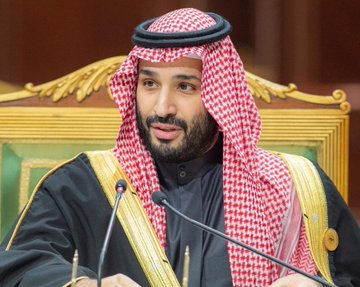
Saudi Arabia’s Alternative Route Now at Risk
Since the outbreak of the US-Israeli war on Iran on February 28, Saudi Arabia has successfully rerouted its crude oil exports from the Persian Gulf’s Ras Tanura terminal to the Red Sea port of Yanbu via the Petroline East-West Pipeline. This strategic shift has allowed the kingdom to maintain oil exports at approximately 7 million barrels per day, near pre-war levels, effectively bypassing the Strait of Hormuz blockade .
However, this alternative route depends entirely on safe passage through the Bab al-Mandeb Strait, the narrow waterway between Yemen and the Horn of Africa that connects the Red Sea to the Gulf of Aden. Before the Gaza war, approximately 9.3 million barrels of oil and petroleum products passed through this chokepoint daily .
The Houthi movement, which controls large swaths of the Yemeni coastline along the Bab al-Mandeb, has demonstrated a formidable capacity to disrupt Red Sea shipping. During the Gaza conflict, the Houthis launched dozens of missile and drone attacks on commercial vessels, forcing many shipping lines to reroute around the Cape of Good Hope. While attacks decreased following the October 2025 ceasefire, Red Sea shipping has not fully returned to normal .
Iran’s Leverage: The ‘Tears Gate’ as a Pressure Point
Tehran has made clear that it views the Bab al-Mandeb—known in Arabic as the “Gate of Tears”—with the same strategic importance as the Strait of Hormuz. Ali Akbar Velayati, a foreign policy adviser to Iran’s Supreme Leader, warned earlier this month that “the Resistance Front’s unified command views the Bab al-Mandeb Strait just like the Strait of Hormuz” .
Iranian state media has amplified warnings that if Iran’s ports in the Persian Gulf and Gulf of Oman are threatened, “no port in the Persian Gulf and Gulf of Oman will be safe” . Iranian officials have also signaled that they could pressure the Houthis to begin charging transit fees for vessels passing through the Bab al-Mandeb—or escalate attacks to effectively close the waterway .
| Waterway | Significance | Threat Level |
|---|---|---|
| Strait of Hormuz | 20% of global oil passes through; currently blockaded by US | Active blockade |
| Bab al-Mandeb | ~9.3 million bpd pre-war; critical for Saudi Red Sea exports | Elevated risk of Houthi escalation |
Sources: U.S. Energy Information Administration, WSJ reports
From Hawk to Dove: Saudi Arabia’s Strategic Shift
Saudi Arabia’s current push for de-escalation represents a notable reversal from its position in the early weeks of the war. In late March, reports emerged that Crown Prince Mohammed bin Salman had urged President Trump to continue military operations against Iran, viewing the conflict as a “historic opportunity to reshape the Middle East” and advocating for regime change .
Saudi officials strongly denied those reports at the time, insisting that the kingdom “has always supported a peaceful resolution to this conflict, even before it began” . However, the current diplomatic offensive—conducted both publicly and through back-channels—suggests that Riyadh’s calculus has fundamentally shifted as the war has dragged on and the risks to its own infrastructure have multiplied.
The Diplomacy: Back-Channel Efforts and Regional Coordination
Saudi officials are now actively working to bridge the gap between Washington and Tehran. According to WSJ sources, Gulf officials say both the US and Iran are open to further negotiations, and regional countries are working behind the scenes to bring the two sides back to the table .
On April 8, Saudi Foreign Minister Prince Faisal bin Farhan held a phone call with his Iranian counterpart, Abbas Araghchi—the first official contact between the two nations since Tehran launched retaliatory strikes against Gulf states in early March. The call “focused on reviewing developments in the situation and ways to slow the pace of tensions so as to help restore security and stability in the region” .
More recently, the Saudi foreign minister has been coordinating with Pakistani officials following the collapse of US-Iran talks in Islamabad, with both sides stressing “the need to keep diplomatic efforts going in order to restore stability to the region” .
“Gulf countries do not want the war to end with Iran controlling the Strait of Hormuz. But they also do not want the situation to deteriorate to the point where the Bab al-Mandeb also falls.” — Regional officials to WSJ
The US Position: ‘Helping Our Gulf Allies’
The Trump administration has thus far resisted Saudi pressure to lift the blockade, which went into effect on April 13 with more than 15 US Navy warships deployed to enforce the maritime embargo . President Trump has framed the blockade as a necessary measure to prevent what he calls Iranian “extortion” of global energy markets .
White House spokesperson Anna Kelly stated that “President Trump has made clear that he wants the Strait of Hormuz fully opened to facilitate the free flow of energy. The administration is in frequent contact with our Gulf allies, and the president is helping them ensure that Iran cannot extort the United States or any other nation” .
However, regional experts note that the blockade places Saudi Arabia in an impossible position. If the kingdom openly opposes Washington, it risks straining its most important security alliance. If it remains silent, it risks having its own economic lifelines severed in Iranian retaliation.
Market Impact: Oil Prices Surge
The standoff has already sent shockwaves through global energy markets. Crude oil prices surged more than 6 percent on Monday, with May WTI crude rising to approximately $101 per barrel as traders priced in the risk of prolonged disruption to Gulf supplies . The blockade could exacerbate global oil and fuel shortages, with about a fifth of the world’s oil and liquefied natural gas normally transiting through the Strait of Hormuz .
What Comes Next
As the US blockade continues and Iran threatens escalation, Saudi Arabia finds itself walking a diplomatic tightrope. Riyadh’s core concern is containment: preventing the conflict from spreading to the Red Sea while avoiding a wider regional war that could devastate its own economy.
| Scenario | Likelihood | Impact on Saudi Arabia |
|---|---|---|
| US maintains blockade; Iran retaliates via Houthis | Elevated | Red Sea route threatened; oil exports at risk |
| Negotiations resume; blockade lifted | Possible | Relief for Saudi economy |
| Full-scale war resumes; Iran targets Gulf states | Elevated | Catastrophic for Saudi infrastructure |
For now, Saudi Arabia is urging Washington to choose diplomacy over escalation—a plea that reflects the kingdom’s growing anxiety that it could become the next battleground in a widening regional war.
Frequently Asked Questions (FAQs)
1. Why is Saudi Arabia urging the US to end the Strait of Hormuz blockade?
Saudi Arabia fears that the blockade could provoke Iran to retaliate by directing its Houthi allies in Yemen to close the Bab al-Mandeb Strait. This would cut off Saudi Arabia’s alternative oil export route through the Red Sea, which has been critical for maintaining its oil exports since the war began .
2. How has Saudi Arabia adapted to the closure of the Strait of Hormuz?
Saudi Arabia has rerouted its crude oil exports through the Petroline East-West Pipeline, which transports oil from the Persian Gulf’s Ras Tanura terminal to the Red Sea port of Yanbu. This has allowed the kingdom to maintain exports of approximately 7 million barrels per day .
3. What is the Bab al-Mandeb Strait and why is it important?
The Bab al-Mandeb Strait connects the Red Sea to the Gulf of Aden. Before the Gaza war, approximately 9.3 million barrels of oil and petroleum products passed through it daily. It is the gateway to the Suez Canal and a critical route for Asia-Europe shipping .
4. Has Saudi Arabia always opposed the US blockade?
No. In the early weeks of the war, reports indicated that Crown Prince Mohammed bin Salman had urged President Trump to continue military operations against Iran. However, as the war has continued and risks to Saudi infrastructure have multiplied, Riyadh has shifted toward supporting de-escalation .
5. Are the US and Iran still communicating?
Yes. Despite the collapse of formal talks in Islamabad, Gulf officials say both sides remain open to further negotiations and are actively engaged through back-channels and intermediaries .
6. What is the Houthis’ role in this conflict?
The Houthis are Iranian-backed rebels who control large portions of Yemen’s Red Sea coastline. They have demonstrated the ability to disrupt Red Sea shipping with missile and drone attacks and could be used by Iran to escalate the conflict if pressured .
7. What is the status of the US naval blockade?
The US naval blockade of Iranian ports went into effect on April 13, with more than 15 US Navy warships deployed to enforce it. The blockade prohibits all vessels from entering or departing Iranian ports .
Stay informed with Reflecto News – Your trusted source for breaking diplomatic and energy security intelligence. Subscribe for real-time updates on the Strait of Hormuz crisis, US-Iran negotiations, and global energy markets.
Questions people ask
What is China's current share of global manufacturing?
China now accounts for twenty eight percent of global manufacturing. This industrial output exceeds the combined manufacturing production of the United States, Japan, and Germany, making China the leading global industrial power according to recent reports.
Why were Andrew Tate and Tristan Tate arrested in Miami?
Andrew Tate and his brother Tristan Tate were taken into custody in Miami by the United States Marshals Service. They face thirty eight new charges in the United Kingdom, including rape and child pornography offences, and prosecutors are seeking their extradition.
What warning did Moscow issue about oil prices?
Kirill Dmitriev, the Chief Executive of the Russian Direct Investment Fund, warned that a tsunami of skyrocketing oil prices is approaching. Moscow describes this potential energy shock as a major threat to global markets.
What political shift is projected for Benjamin Netanyahu's coalition?
Political polls project that Prime Minister Benjamin Netanyahu's coalition is on track to lose its majority in the upcoming October election. This projection indicates a potential political shift in Jerusalem.
Why did a Russian military aircraft land in Tehran?
A Russian airborne command aircraft, widely known as a doomsday plane, landed in Tehran. The arrival of the aircraft represents a high stakes show of support from Russia for Iran during a period of heightened regional tensions.
What did President Masoud Pezeshkian claim about the United States and Israel?
Iranian President Masoud Pezeshkian claimed that the United States and Israel failed in a forty eight hour plan to topple the Iranian government. He made these statements during a televised address marking two years since his inauguration.