JUST IN: 🇺🇸🇮🇷 US Defense Intelligence Agency Chief Says Iran Still Has ‘Enormous’ Missile and Drone Stockpile, ABC Reports
Published on Reflecto News | World News | Defense & Intelligence
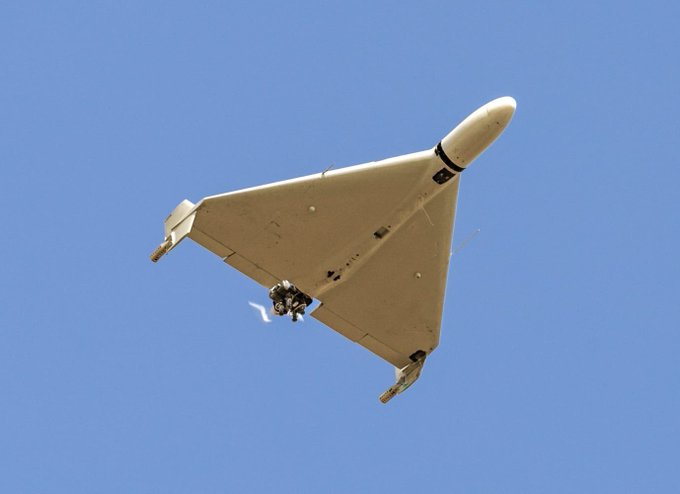
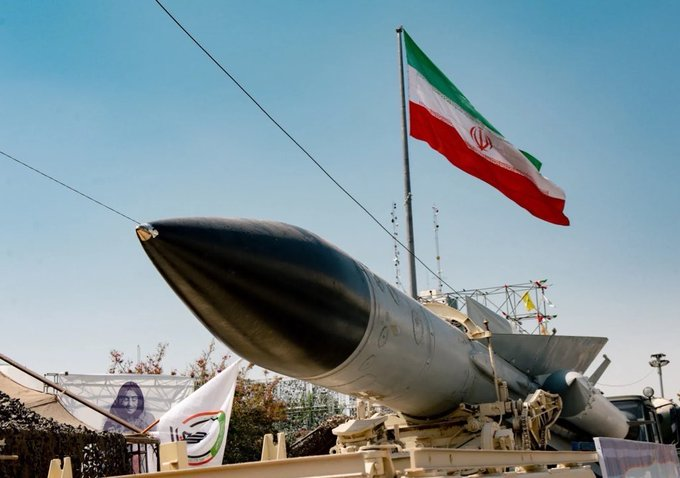
In a striking assessment that directly contradicts recent public claims of a “decimated” Iranian military, the head of the US Defense Intelligence Agency (DIA) has told lawmakers that Iran still possesses an “enormous” stockpile of munitions, including thousands of missiles and one-way attack drones . The assessment, revealed during a House Armed Services Committee hearing and reported by ABC News, paints a picture of a resilient adversary capable of inflicting significant damage despite weeks of intensive US and Israeli bombardment .
“Iran retains thousands of missiles and one-way attack UAVs that can threaten U.S. and partner forces throughout the region, despite degradations to its capabilities from both attrition and expenditure.” — Marine Lt. Gen. James Adams, Director of the Defense Intelligence Agency
The DIA’s Assessment: ‘Enormous’ Stockpiles Remain
The DIA chief’s testimony comes at a critical moment, as a fragile Pakistan-brokered ceasefire holds and diplomatic negotiations between Washington and Tehran remain stalled. The assessment indicates that, while degraded, Iran’s arsenal remains a potent force.
Key findings from US intelligence and military assessments :
| Weapons Category | Remaining Capability |
|---|---|
| Ballistic Missiles | Approximately 50-70% of pre-war stockpile intact; Iran is excavating buried stockpiles |
| Missile Launchers | Approximately 60% of pre-war launchers operational; Iran recovered 100 launchers from underground bunkers after the ceasefire |
| Attack Drones (UAVs) | Approximately 40% of pre-war drone arsenal remains intact |
| IRGC Naval Force | Approximately 60% still exists, including fast-attack boats that continue to harass shipping in the Strait of Hormuz |
| Air Force | Approximately two-thirds of Iran’s air force is still believed to be operational |
The DIA assessment noted that Iran has used the ceasefire period to dig out missile launchers that had been buried in underground facilities after US and Israeli strikes collapsed their access points . Iranian officials have also stated that production of new missiles and drones continues .
Contrast with Official White House Narrative
The intelligence community’s findings stand in stark contrast to public statements made by President Donald Trump and Defense Secretary Pete Hegseth, who have repeatedly described the US military campaign, dubbed “Operation Epic Fury,” as a decisive victory that destroyed Iran’s military capacity .
- President Trump said on Tuesday: “We’ve taken out their navy, we’ve taken out their air force, we’ve taken out their leaders.”
- Secretary Hegseth claimed at an April 8 press briefing: “Operation Epic Fury was a historic and overwhelming victory on the battlefield, a capital V military victory… By any measure, Epic Fury decimated Iran’s military and rendered it combat ineffective for years to come.”
However, a Pentagon spokesman, while defending the campaign’s success, acknowledged that the war has been a success, with more than 13,000 Iranian targets struck . The spokesman noted that 92% of the Iranian Navy’s largest vessels have been destroyed, calling it “the largest elimination of a navy over a three-week period since World War II” .
The new intelligence, however, confirms that the Iranian military—particularly its asymmetric capabilities like the IRGC’s naval arm and its missile arsenal—remains a significant threat.
Iran’s ‘Operational Resilience’ and Hidden Capabilities
The ability of Iran to maintain these capabilities is not accidental. Military analysts point to a deliberate strategy of “operational resilience” .
- Underground ‘Missile Cities’: Iran has spent decades constructing fortified underground facilities, tunnels, and caves to protect its most valuable military assets from airstrikes .
- Rapid Regeneration: The DIA assessment indicates that Iran has used the ceasefire to dig out and restore launchers that had been temporarily buried or trapped .
- Continued Production: Iranian officials have stated that production of new missiles and drones is ongoing, with the capability to use newly manufactured weapons in any resumed conflict .
This doctrine suggests that even temporary pauses in conflict serve as opportunities for Iran to rebuild and regenerate its power.
Implications for the Ceasefire and Negotiations
The DIA assessment comes as President Trump has extended the fragile two-week ceasefire at Pakistan’s request, giving Tehran time to formulate a “unified proposal” for negotiations . However, the intelligence that Iran retains a formidable arsenal has significant implications:
- Negotiating Leverage: It provides Iran with considerable leverage in any peace talks, as they retain the ability to inflict damage.
- Regional Threat: The DIA director’s warning confirms that Iran remains a potent threat to US and partner forces throughout the region, particularly regarding the security of the Strait of Hormuz .
- Future Conflict: As the ceasefire holds, analysts warn that the speed of rebuilding will be a key factor in any future confrontation. The side that can replace its resources faster than it consumes them effectively enters an upward cycle of power.
The gap between the administration’s public rhetoric and the private intelligence assessments highlights the complexity of the current standoff and the difficult decisions facing both nations as diplomatic efforts continue.
Frequently Asked Questions (FAQs)
1. What did the US Defense Intelligence Agency chief say about Iran’s military?
The DIA chief, Marine Lt. Gen. James Adams, told lawmakers that Iran still possesses an “enormous” stockpile of munitions, including “thousands of missiles and one-way attack UAVs” that can threaten US and partner forces .
2. How does this contrast with President Trump’s statements?
President Trump and Secretary Hegseth have claimed that the US campaign “decimated” Iran’s military. The intelligence assessment confirms that while degraded, Iran retains a significant and capable military force .
3. What percentage of Iran’s arsenal remains intact?
According to US intelligence, Iran still has about 50-70% of its ballistic missiles, 60% of its missile launchers, 40% of its drones, 60% of its IRGC naval force, and two-thirds of its air force .
4. Why does Iran still have so many weapons after weeks of bombing?
Iran spent decades building underground facilities to protect its assets. They also have a doctrine of “operational resilience,” allowing them to quickly dig out and regenerate forces during pauses in fighting .
5. What is the status of the US-Iran ceasefire?
President Trump extended the ceasefire at Pakistan’s request, awaiting a “unified proposal” from Iran. The US naval blockade remains in place .
6. Can Iran still threaten the Strait of Hormuz?
Yes. US officials agree that Iran retains enough missile and naval power to “choke off” the Strait of Hormuz, a vital global oil transit chokepoint .
Stay informed with Reflecto News – Your trusted source for breaking defense, intelligence, and geopolitical reporting. Subscribe for real-time updates on the US-Iran standoff, military assessments, and global security.