Reflecto News is an online news platform covering major international political events, global economic developments, and security conflicts. The site provides updates on topics such as Chinese manufacturing dominance, Middle Eastern political tensions, and high profile legal arrests. Readers can access current articles organized by categories like World News, Iran, and USA.
Published on Reflecto News | World News | Diplomacy & Hostage Affairs
In a significant development that adds a deeply personal dimension to the high-stakes peace talks set to begin in Islamabad, the United States is planning to raise the issue of its citizens detained in Iran during negotiations with the Islamic Republic, according to a report by The Washington Post .
The demand to secure the freedom of American detainees – a longstanding point of contention between the two nations – will now be formally incorporated into the broader war negotiations, linking the fate of individual Americans to the strategic discussions over Iran’s nuclear program, regional activities, and the future of the Strait of Hormuz.
‘At Least Six’ Americans Held as ‘Leverage’
According to The Washington Post, cited by APA, “at least six US citizens are being held in Iran as leverage” . These individuals are believed to be held in Tehran’s notorious Evin Prison, a facility infamous for its harsh conditions, political detention of dual nationals, and use of prisoners as bargaining chips in state-to-state negotiations .
While the precise number of American detainees has fluctuated over the years due to prisoner swaps, advocacy groups and former hostages currently estimate that between four and six American citizens remain wrongfully detained in Iran . This includes:
- Kamran Hekmati: A 61-year-old Jewish Iranian-American who was sentenced to four years in prison for traveling to Israel 13 years prior to his arrest to attend his son’s bar mitzvah. He is being held at Evin Prison and suffers from health issues, including a prior battle with bladder cancer .
- Reza Valizadeh: A journalist and dual U.S.-Iranian citizen who formerly reported for Radio Farda, a Persian-language outlet affiliated with Radio Free Europe. He returned to Iran in 2024 to care for his elderly parents and was arrested six months later, charged with “collaborating with a hostile government,” and sentenced to 10 years in prison .
In addition, there are believed to be other dual nationals and foreign nationals who have not been publicly identified, often at the request of their families who fear that public attention could increase the price on their loved ones’ heads or endanger their safety .
A Pattern of ‘Hostage Diplomacy’
The United States has long accused Iran of engaging in “hostage diplomacy” – the systematic practice of arresting dual nationals and foreign nationals on spurious charges (typically espionage or national security violations) to use them as leverage in negotiations with Western powers.
Former hostages and their families have described the terrifying conditions inside Evin Prison. Neda Sharghi, whose brother Emad Shargi was wrongfully detained for five and a half years before being released in a 2023 prisoner swap, told CBS’s “Face the Nation” that during the 2022 Mahsa Amini protests, prison guards shot at prisoners during a riot, and the situation inside the facility rapidly deteriorated .
Siamak Namazi, who was held in Evin Prison for eight years before his release in 2023, described the current moment as “as dangerous a time as it can be for foreign detainees in Iran” . In a recent interview, Namazi warned that the prisoners “are stuck between a cruel regime that is using them as a pawn in their horrible game of hostage diplomacy and a war that they cannot control” .
Namazi noted that during the “12-day war” between Israel and Iran in June 2025, Israeli bombs struck the Evin Prison compound around noon, highlighting the physical danger detainees face when caught in the crossfire of a military conflict .
The Negotiating Leverage: What the US Can Offer
The demand to release American detainees comes at a time when the United States holds significant leverage over Iran but also faces constraints.
Financial Leverage: Frozen Assets
Historically, prisoner swaps with Iran have been accompanied by the release of billions of dollars in frozen Iranian assets. In a 2023 deal brokered by Qatar, the Biden administration agreed to unfreeze $6 billion in Iranian funds held in South Korea in exchange for the release of five American prisoners, including Siamak Namazi and Emad Shargi . Those funds were placed in restricted accounts in Doha and were intended to be used only for humanitarian goods, though critics argued the deal effectively gave Iran access to cash.
In the current context, billions more in Iranian assets remain frozen in banks across South Korea, Iraq, China, and other countries as a result of US sanctions . These funds could potentially be unfrozen as part of a comprehensive agreement that includes the release of American detainees.
Sanctions Relief
Beyond financial assets, the United States has the ability to grant sweeping sanctions relief to Iran – a key demand Tehran has made as part of its 10-point peace proposal. This could include lifting secondary sanctions that restrict Iran’s oil exports, banking sector, and access to international financial systems.
Prisoner Swap: Iranians in US Custody
Historically, prisoner swaps have been reciprocal. The 2023 deal involved the release of five Iranians held in US custody in exchange for the five Americans released from Iran . It is highly likely that any deal to free the remaining Americans would require the United States to release Iranian nationals – possibly including individuals convicted of sanctions violations or other crimes – in return.
The Timing: Why Now?
The decision to formally raise the detainee issue during the Islamabad war talks reflects several strategic calculations by the Biden-Trump administration (the current administration is a hybrid following the 2024 election).
A Humanitarian Opening
The two-week ceasefire between the US and Iran, brokered by Pakistan and announced on April 7, has created a rare window for direct negotiations. During times of active conflict, prisoner exchanges are often deprioritized or deemed impossible due to security concerns and lack of communication channels. The current truce provides a diplomatic off-ramp for both sides to resolve outstanding humanitarian issues.
Pressure from Advocacy Groups and Congress
Families of the detainees, along with organizations like the Hostage Aid Worldwide and the Congressional Hostage Task Force, have been lobbying the administration to prioritize the release of American prisoners. In a recent “Face the Nation” interview, Neda Sharghi implored President Trump to learn the names of the detainees, stating that “freedom starts with a name. You’ve got to utter the name, it has to come out of your mouth” .
Leverage from Military Success
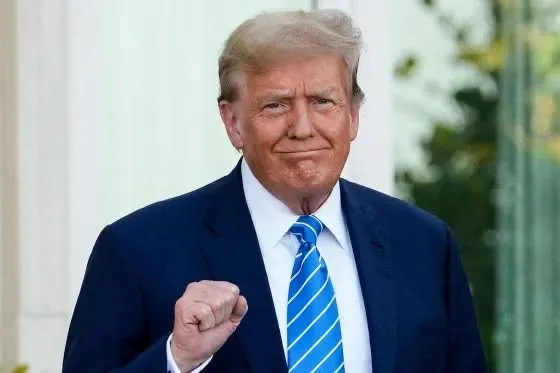
President Trump has declared that Iran has been “conquered” and “has no military left” – a characterization that, while disputed by Iran, reflects the administration’s view that Tehran is negotiating from a position of weakness. The US may believe that it can extract concessions on detainees precisely because Iran is desperate for sanctions relief and a cessation of hostilities.
Precedent from the 2023 Deal
The successful 2023 prisoner swap, which freed five Americans, demonstrated that such deals are possible even in the absence of a broader diplomatic breakthrough. That deal was negotiated indirectly through Qatari and Omani mediators over the course of months . The current direct talks in Islamabad could accelerate a similar arrangement.
Iran’s Position: Willing to Negotiate?
Iran has historically oscillated between denying the existence of detainees, using them as bargaining chips, and expressing willingness to negotiate their release.
In late March, Iranian officials signaled openness to a prisoner swap, with foreign ministry spokesman Nasser Kanani stating that Iran was engaged in Oman-mediated talks with the United States and was “hoping to witness such a positive event” . However, Iran has also denied reports of imminent deals in the past, and there is no guarantee that Tehran will agree to release the detainees without significant concessions .
The Iranian government continues to insist that the detained Americans are legitimate prisoners who have been convicted of espionage or collaboration with a hostile government – charges that the United States and human rights organizations reject as baseless .
From Tehran’s perspective, the detainees are valuable bargaining chips. In exchange for their release, Iran is likely to demand:
- Full access to frozen assets: The unfreezing of billions of dollars in oil revenues held in foreign banks .
- Release of Iranian prisoners: A reciprocal swap of Iranians held in US custody.
- Sanctions relief: Lifting of secondary sanctions on Iran’s oil and banking sectors.
- Guarantees against future strikes: Assurance that the US and Israel will not target Iranian nuclear or military facilities as part of any long-term agreement.
The Challenge: Securing a Deal Amid War
The incorporation of the detainee issue into the war negotiations adds another layer of complexity to an already delicate diplomatic process. The US delegation, led by Vice President JD Vance and including Jared Kushner and Steve Witkoff, must now balance the strategic demands of the ceasefire – including the status of the Strait of Hormuz, Iran’s nuclear program, and the inclusion of Lebanon – with the humanitarian imperative of freeing American citizens.
Siamak Namazi, who spent eight years in Evin Prison, cautioned that the detainees should not be forgotten amid the broader strategic discussions. “All wars end in diplomacy, either direct or indirect,” Namazi said on CBS’s “Face the Nation.” “So what I would like to see… is to make sure that it is a real priority to get out our people the first chance there is for diplomacy and negotiations with Iran” .
What Comes Next
As the Islamabad talks commence, several scenarios are possible regarding the American detainees:
Scenario 1: A Standalone Humanitarian Deal
The US and Iran could agree to a separate, parallel negotiation on detainees that runs concurrently with the broader war talks. This would follow the model of the 2023 deal, which was negotiated through Qatari intermediaries while nuclear talks were stalled .
Scenario 2: Integration into the 10-Point Framework
Iran’s 10-point peace proposal, which includes demands for sanctions relief and the unfreezing of assets, could be expanded to include the release of American detainees as a condition for any final agreement. This would effectively make the prisoners part of the broader “grand bargain” between the two nations.
Scenario 3: Stalemate
If the broader war negotiations falter over Lebanon’s inclusion or the status of the Strait of Hormuz, the detainee issue could become another point of contention rather than a pathway to agreement. In this scenario, the Americans would remain in Iranian custody indefinitely.
Scenario 4: Unilateral Release
While unlikely, Iran could choose to release the detainees unilaterally as a gesture of goodwill to facilitate the broader negotiations. This would be a significant concession from Tehran and would signal a genuine desire for de-escalation.
Conclusion
The Washington Post’s report that the US delegation will demand the release of Americans detained in Iran as part of the war negotiations adds a critical humanitarian dimension to the high-stakes talks in Islamabad. For the families of Kamran Hekmati, Reza Valizadeh, and the other unnamed Americans held in Evin Prison, these negotiations represent the best hope for freedom in years.
As Vice President Vance and his Iranian counterparts sit down across the negotiating table, they will carry not only the weight of regional stability and global energy security but also the fate of individual human beings who have been caught in the crossfire of a four-decade-long conflict.
Former hostage Siamak Namazi, who knows the inside of Evin Prison better than most, put it simply: “Being forgotten is the biggest fear. Today, probably rivaled with the fear of bombs dropping on them” . The question now is whether the Islamabad talks will remember them.
Frequently Asked Questions (FAQs)
1. How many Americans are currently detained in Iran?
According to The Washington Post, “at least six US citizens are being held in Iran as leverage” . Other sources estimate between four and six, with at least two publicly identified: Kamran Hekmati and Reza Valizadeh .
2. Why does Iran hold these Americans?
The United States and human rights organizations accuse Iran of engaging in “hostage diplomacy” – the systematic practice of arresting dual nationals and foreign nationals on spurious espionage charges to use them as leverage in negotiations with Western powers .
3. What conditions are the detainees facing?
The detainees are believed to be held in Tehran’s notorious Evin Prison, a facility known for its harsh conditions, political detention of dual nationals, and use of prisoners as bargaining chips. Former hostages have described the facility as dangerous, with the risk of physical harm from both guards and fellow inmates .
4. Has the US successfully negotiated prisoner swaps with Iran before?
Yes. In 2023, a Qatar-mediated deal secured the release of five Americans, including Siamak Namazi and Emad Shargi, in exchange for the unfreezing of $6 billion in Iranian assets and the release of five Iranians held in US custody .
5. What is Iran demanding in exchange for the detainees?
Iran is likely to demand the unfreezing of billions of dollars in frozen assets, the release of Iranian prisoners held in the US, sanctions relief, and potentially guarantees against future US or Israeli strikes .
6. How does this relate to the broader ceasefire negotiations?
The US delegation plans to raise the detainee issue during the Islamabad peace talks, linking the fate of individual Americans to the broader strategic discussions over Iran’s nuclear program, regional activities, and the Strait of Hormuz .
7. Who is leading the US delegation at the Islamabad talks?
The US delegation is led by Vice President JD Vance, accompanied by Jared Kushner and Special Envoy Steve Witkoff. The Iranian delegation is led by Parliament Speaker Mohammad Bagher Ghalibaf and Foreign Minister Abbas Araghchi.
8. What happens if the US cannot secure the detainees’ release?
If the broader negotiations fail, the detainees could remain in Iranian custody indefinitely. Advocacy groups are urging the administration to make the detainees a top priority, even if other aspects of the negotiations stall .
Stay informed with Reflecto News – Your trusted source for breaking diplomatic and hostage affairs intelligence. Subscribe for real-time updates on the Islamabad peace talks and the fate of Americans detained in Iran.
Questions people ask
What is China's current share of global manufacturing?
China now accounts for twenty eight percent of global manufacturing. This industrial output exceeds the combined manufacturing production of the United States, Japan, and Germany, making China the leading global industrial power according to recent reports.
Why were Andrew Tate and Tristan Tate arrested in Miami?
Andrew Tate and his brother Tristan Tate were taken into custody in Miami by the United States Marshals Service. They face thirty eight new charges in the United Kingdom, including rape and child pornography offences, and prosecutors are seeking their extradition.
What warning did Moscow issue about oil prices?
Kirill Dmitriev, the Chief Executive of the Russian Direct Investment Fund, warned that a tsunami of skyrocketing oil prices is approaching. Moscow describes this potential energy shock as a major threat to global markets.
What political shift is projected for Benjamin Netanyahu's coalition?
Political polls project that Prime Minister Benjamin Netanyahu's coalition is on track to lose its majority in the upcoming October election. This projection indicates a potential political shift in Jerusalem.
Why did a Russian military aircraft land in Tehran?
A Russian airborne command aircraft, widely known as a doomsday plane, landed in Tehran. The arrival of the aircraft represents a high stakes show of support from Russia for Iran during a period of heightened regional tensions.
What did President Masoud Pezeshkian claim about the United States and Israel?
Iranian President Masoud Pezeshkian claimed that the United States and Israel failed in a forty eight hour plan to topple the Iranian government. He made these statements during a televised address marking two years since his inauguration.